The Met Gala, between fashion and cultural storytelling
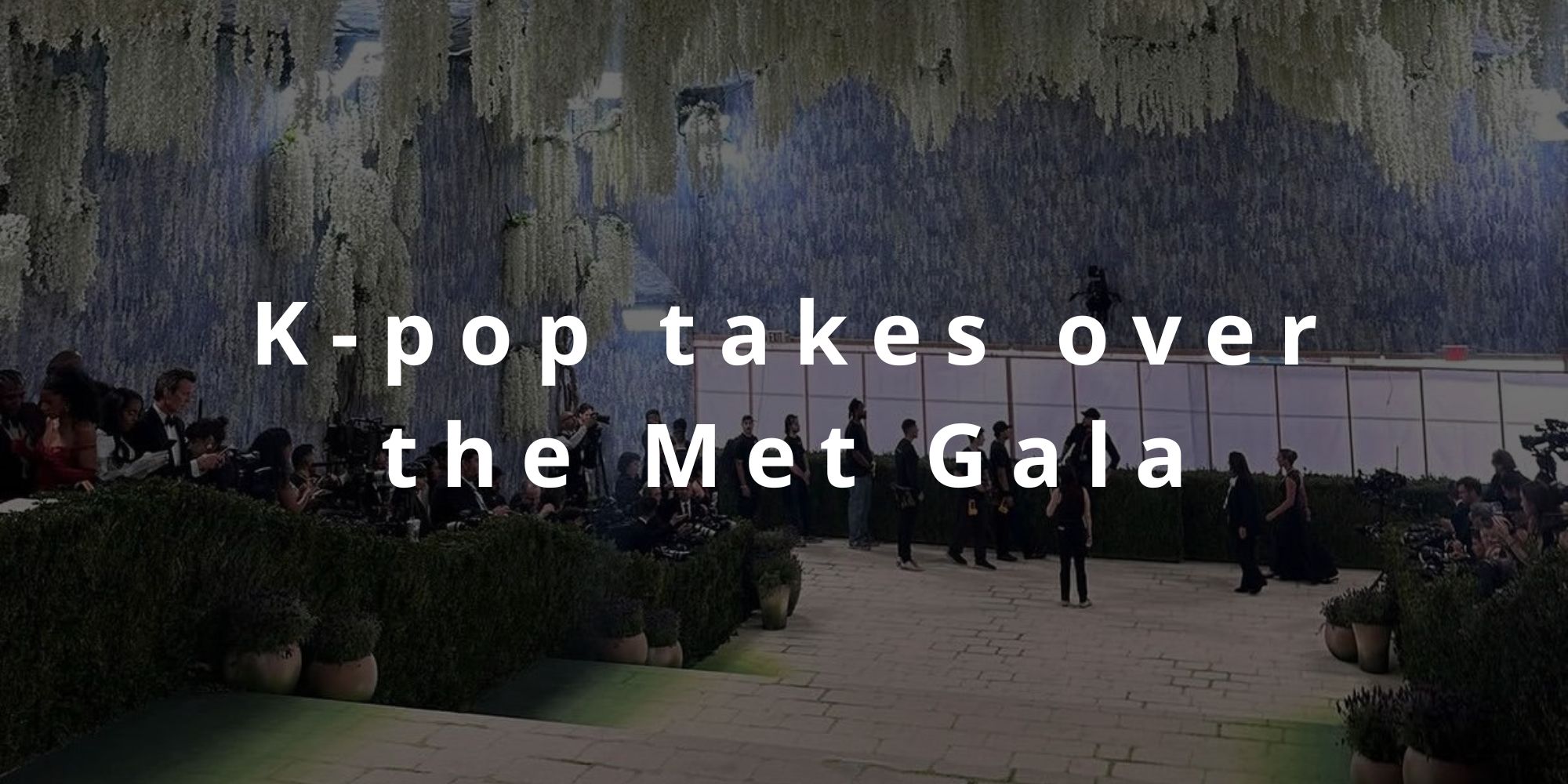
Every year, the Met Gala is one of the most anticipated events in international fashion. Founded in 1948 as a charity event supporting the Costume Institute of the Metropolitan Museum of Art in New York, it has gradually transformed into a global stage where fashion, art and entertainment come together. For this year’s edition, the chosen theme was “Costume Art,” accompanied by the dress code “Fashion is Art.” It was an invitation to see clothing as a form of embodied art, capable of turning the body into an expressive canvas and a storytelling medium. A concept that pushed designers and celebrities beyond simple aesthetics, leading to theatrical, conceptual and highly personal interpretations on the red carpet.
Lisa and the art of interpreting the theme
Among the most talked-about stars of this year’s edition, Lisa of BLACKPINK captured the attention of both the public and critics. She established herself as one of the most influential figures in the dialogue between K-pop and high fashion.
For the red carpet, she wore a creation by Robert Wun, a designer known for his almost sculptural approach to couture, creating silhouettes that move between theatricality and precise tailoring.
Lisa’s look perfectly embodied the spirit of the Met Gala: a balance of dramatic presence, sophisticated elegance and narrative construction. Rich in structure and visual impact, the outfit almost transformed her body into a work of art, emphasizing the performative quality that has always been part of the singer’s artistic identity. Completing the look, Bulgari jewelry added light and luxury, reinforcing her image as global ambassador, capable of perfectly representing modern luxury.

The most Korean Met Gala ever
This year’s edition marked an important moment: rarely has there been such a strong presence of Korean celebrities at the Met Gala. The red carpet welcomed a significant number of artists from South Korea. It is now clear that the Korean Wave is no longer limited to music or entertainment, but has become a cultural force capable of reaching different industries, including luxury fashion.
One of the most talked-about moments was undoubtedly seeing BLACKPINK’s members reunited, now central figures in the global fashion imagination. Alongside them, the debut of aespa represented the official arrival of a new generation of idols into the world of international high fashion. The presence of Korean actors also helped reinforce the idea of Korea becoming increasingly central on the global cultural scene.
This situation is the direct result of Hallyu, the so-called Korean Wave, which in recent years has exported not only music, cinema and dramas around the world, but also a specific visual aesthetic built on image curation, storytelling and stylistic identity. In this context, fashion has become a natural extension of this process of cultural expansion.
The stars who dominated the scene
Among all the guests of the evening, some figures inevitably captured the attention of international media. Lisa stood out as one of the night’s biggest stars thanks to a memorable look and magnetic stage presence. Alongside her, Jennie of BLACKPINK also confirmed her status as a fashion icon, standing out for a sophisticated elegance that has become instantly recognizable.
A lot of attention was also focused on Rosé, whose image continues to grow as a symbol of refined luxury, while the debut of Jisoo carried strong symbolic value, ideally completing the presence of all four members of BLACKPINK.
At the same time, aespa attracted curiosity and media attention, proving that a new generation of Korean artists is ready to take the spotlight.

A new cultural centrality
This year’s Met Gala clearly showed a transformation that has already started: contemporary fashion no longer speaks only through the West, but is increasingly shaped through a global dialogue made of influences, cross-cultural exchanges and new cultural centers. In this context, K-pop is not just a glamorous presence, but a real force capable of redefining imaginaries, tastes and aesthetic languages.
Korean stars are no longer simply invited to participate: they are helping rewrite the rules of contemporary fashion storytelling. On the red carpet, they are not just bringing style, but a new cultural vision of luxury.

Il K-pop conquista il Met Gala
Il Met Gala, tra moda e narrazione culturale
Ogni anno il Met Gala rappresenta uno degli appuntamenti più attesi della moda internazionale. Nato nel 1948 come evento benefico a sostegno del Costume Institute del Metropolitan Museum of Art di New York, nel tempo si è trasformato in un palcoscenico globale. Qui moda, arte e spettacolo si incontrano. Per questa edizione il tema scelto è stato “Costume Art”, accompagnato dal dress code “Fashion is Art”. È un invito a concepire l’abito come forma d’arte incarnata, capace di trasformare il corpo in tela espressiva e mezzo narrativo. Un concept che ha spinto designer e celebrity a superare la semplice estetica, dando vita a interpretazioni scenografiche, concettuali e fortemente identitarie sul red carpet.
Lisa e l’arte di interpretare il tema
Tra le protagoniste più discusse di questa edizione, Lisa delle BLACKPINK ha saputo attirare l’attenzione del pubblico e della critica. Si consolida così come una delle figure più influenti nel dialogo tra K-pop e alta moda.
Per il red carpet ha vestito una creazione firmata Robert Wun, designer noto per il suo approccio quasi scultoreo alla couture, capace di costruire silhouette che si muovono tra teatralità e precisione sartoriale.
Il look indossato da Lisa ha incarnato perfettamente lo spirito del Met Gala: un equilibrio tra forza scenica, eleganza sofisticata e costruzione narrativa. L’abito, ricco di struttura e presenza visiva, sembrava quasi trasformare il corpo in un’opera d’arte, enfatizzando il carattere performativo che da sempre accompagna l’identità artistica della cantante. A completare il look, i gioielli di Bulgari hanno aggiunto luce e preziosità, rafforzando la sua immagine di global ambassador capace di rappresentare perfettamente il lusso attuale.
Il Met Gala più coreano di sempre
Questa edizione ha segnato un momento importante: raramente si era vista una presenza così ampia di celebrity coreane al Met Gala. Il red carpet ha accolto un numero significativo di artisti provenienti dalla Corea del Sud. È dunque evidente come la Korean Wave non sia più un fenomeno limitato alla musica o all’intrattenimento, ma una forza culturale capace di attraversare settori diversi, compresa la moda di lusso.
Uno dei momenti più discussi è stato certamente vedere riunite le componenti delle BLACKPINK, ormai figure centrali nell’immaginario fashion globale. Accanto a loro, il debutto delle aespa ha rappresentato l’ingresso ufficiale di una nuova generazione di idol nel circuito dell’alta moda internazionale. Anche la presenza di attori coreani ha contribuito a rafforzare l’idea di una Corea sempre più centrale.
Questo scenario è il risultato diretto dell’Hallyu, la cosiddetta Korean Wave, che negli ultimi anni ha esportato nel mondo non solo musica, cinema e drama, ma anche una precisa estetica visiva fatta di cura dell’immagine, storytelling e identità stilistica. La moda, in questo contesto, è diventata una naturale conseguenza di questo processo di diffusione culturale.

Le star che hanno dominato la scena
Tra tutte le presenze della serata, alcune figure hanno inevitabilmente catturato l’attenzione delle testate internazionali. Lisa si è imposta come una delle protagoniste assolute, grazie ad un look memorabile e ad una presenza scenica magnetica. Ma accanto a lei, anche Jennie delle BLACKPINK ha confermato il suo status di icona fashion, distinguendosi per un’eleganza sofisticata e ormai immediatamente riconoscibile.
Grande attenzione anche per Rosé, la cui immagine continua a consolidarsi come simbolo di lusso raffinato, mentre il debutto di Jisoo ha assunto un forte valore simbolico, completando idealmente la presenza delle quattro BLACKPINK.
Parallelamente, le aespa hanno attirato curiosità e interesse mediatico, dimostrando che una nuova generazione di artisti coreani è pronta a raccogliere il testimone.
Una nuova centralità culturale
Il Met Gala di quest’anno ha mostrato con chiarezza una trasformazione già in atto: la moda contemporanea non parla più solo attraverso l’Occidente, ma si costruisce sempre più in un dialogo globale fatto di influenze, contaminazioni e nuove centralità culturali. In questo scenario, il K-pop non rappresenta soltanto una presenza glamour, ma una vera forza capace di ridefinire immaginari, gusti e linguaggi estetici.
Le star coreane non sono più semplicemente invitate a partecipare: stanno contribuendo a riscrivere le regole del racconto fashion contemporaneo. Sul red carpet, infatti, non portano solo stile, ma una nuova visione culturale del lusso.

Articolo di: Carol Garlando e Stella Biasucci
Per approfondire:
– The Effect of Idol;
– The triumph of “K-Pop Demon Hunters” at the Oscars;
– BTS’ comeback;
– K-pop and fashion at Coachella.
Foto: Instagram