New global aesthetics between BIGBANG’s return and Taemin’s solo rise
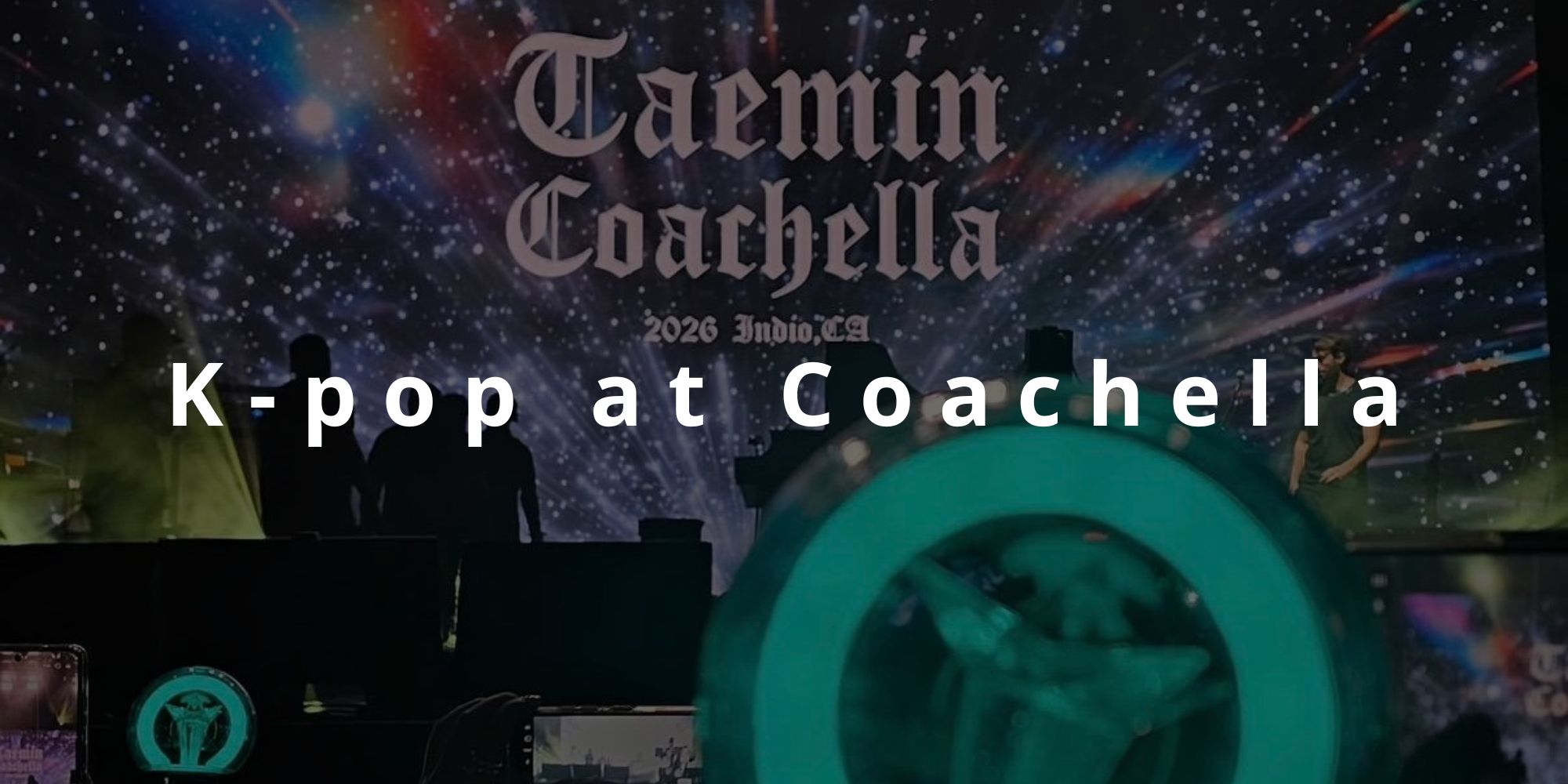
In the last few years, Coachella has gone from just a music festival to a global space for experimenting with aesthetics. Here music and fashion blend into one visual language. In this context, K-pop has become more central, helping reshape the festival’s style codes and bringing a new idea of artistic identity.
BIGBANG with their iconic heritage and rock-luxury vibe
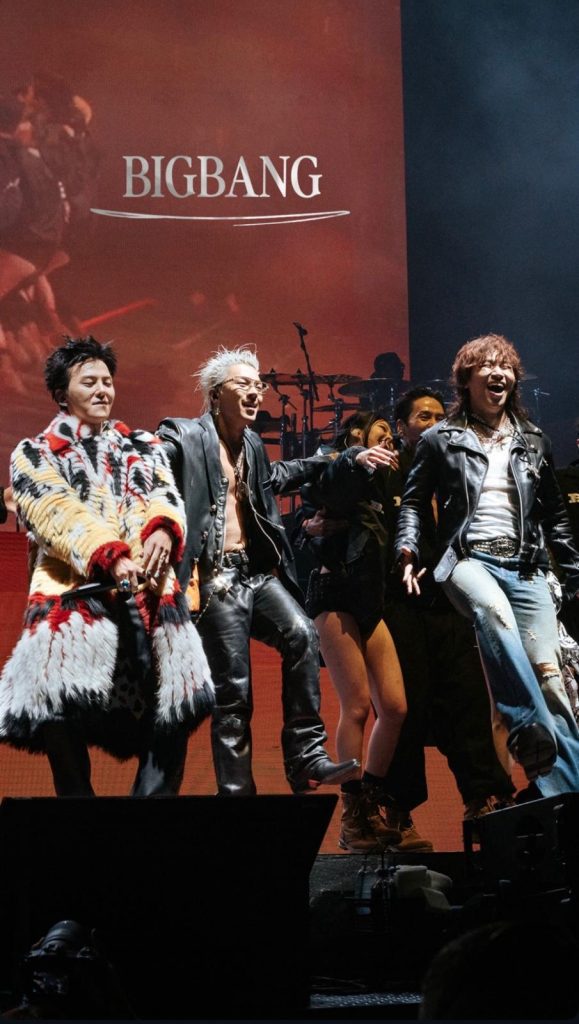
The 2026 edition marks a major turning point. BIGBANG’s return to the Coachella stage wasn’t just a musical moment, it felt like a cultural statement. Even after a long break, they were still called the “organic kings of K-pop”, highlighting their authenticity and their ability to keep a strong, natural influence over time. After years away, they reinforced their iconic status with a performance that mixed nostalgia and something current.
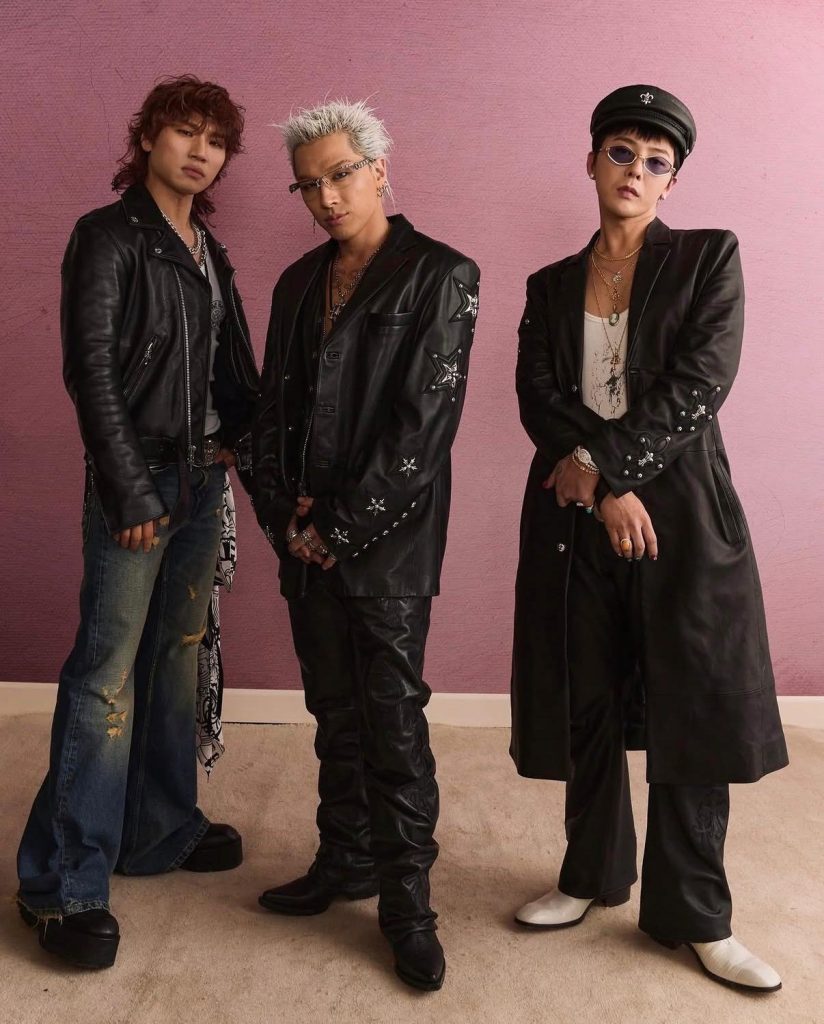
Aesthetically, their looks leaned into a rock-luxury vibe, with leather, metal jewelry and references to brands like Chrome Hearts and Enfants Riches Déprimés. This style, which they had already introduced before, still influences K-pop visuals today. It also shows that BIGBANG aren’t just music pioneers, but real fashion trendsetters.
Over time, G-Dragon has become a true style icon, basically anticipating the role of idols as global luxury brand ambassadors. His work with Chanel, during Karl Lagerfeld’s era, helped reshape the relationship between K-pop and high fashion, opening the way for a new generation of artists who are now deeply part of the global fashion system.
Taemin at Coachella: minimalism, body and performance identity
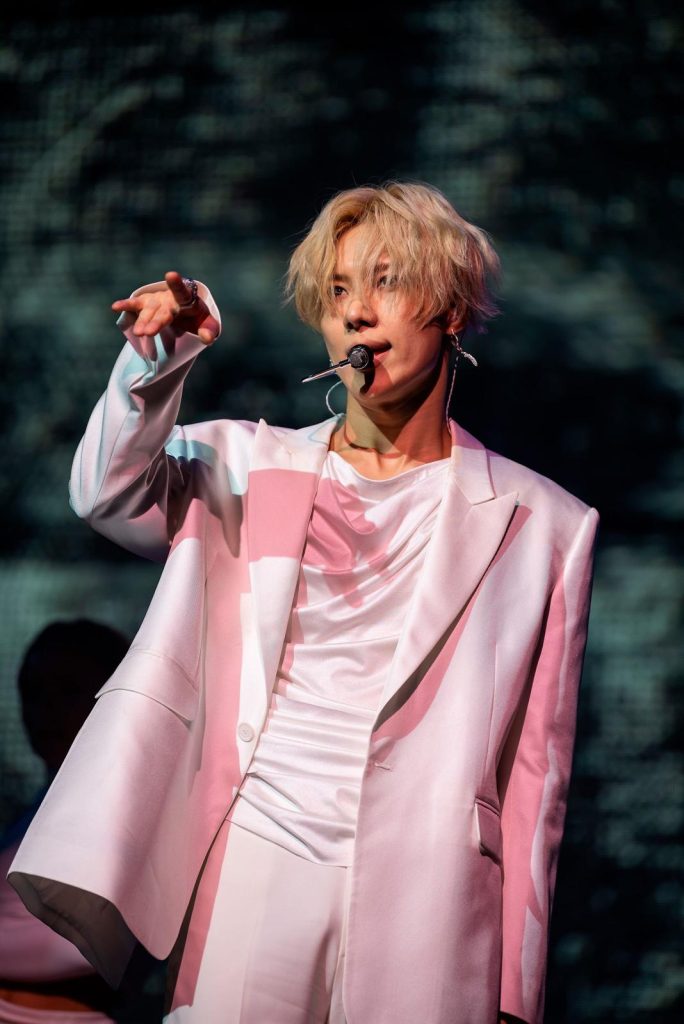
At the same time, Taemin’s solo performance represents another key step in K-pop’s global evolution. As the first Korean male artist to perform solo at Coachella, he brought a completely different aesthetic compared to BIGBANG. With a simple white outfit, he built a visual story based on elegance, fluidity and control of the body. His performance showed how, in K-pop, fashion is never separate from choreography, but becomes part of the artistic expression itself.
The stage as a runway: K-pop and image-building
In this sense, Coachella is more and more a space for cultural mixing, where Asian artists turn the stage into a real runway. K-pop, with its strong focus on image, elevates the live performance into something visual as well as musical. It’s not just about singing or dancing anymore, but about building a recognizable identity through styling, silhouettes and symbolism.
The growing presence of K-pop at Coachella also reflects a bigger shift in the global fashion system. Idols are no longer just performers, but cultural bridges between East and West. Through their looks, they bring a hybrid vision that mixes tradition, streetwear, haute couture and gender fluidity, influencing both the audience and the fashion industry.
So, Coachella 2026 shows how K-pop has gone beyond music and become a global aesthetic phenomenon. BIGBANG’s return and Taemin’s performance are clear examples of how fashion and music can connect, creating new forms of expression and redefining what feels contemporary today.
K-pop e moda al Coachella

Le nuove estetiche globali tra il ritorno dei BIGBANG e l’ascesa solista di Taemin
Negli ultimi anni, il Coachella Valley Music and Arts Festival si è trasformato da semplice evento musicale a vera e propria piattaforma globale di sperimentazione estetica. Qui musica e moda si fondono in un unico linguaggio visivo.
In questo contesto, il K-pop ha assunto un ruolo sempre più centrale, contribuendo a ridefinire i codici stilistici del festival e portando con sé una nuova visione dell’identità artistica.
I BIGBANG con la loro eredità iconica ed estetica rock-luxury
L’edizione 2026 segna un punto di svolta significativo. Il ritorno dei BIGBANG sul palco del Coachella non è stato soltanto un evento musicale, ma una dichiarazione culturale.
Nonostante il lungo periodo di inattività, il gruppo è stato nuovamente etichettato come i “re organici del K-pop”, sottolineando la loro autenticità artistica e la capacità di mantenere un’influenza solida e spontanea nel tempo.
Dopo anni di assenza, sono riusciti a consolidare il proprio status iconico attraverso una performance che ha unito nostalgia e contemporaneità.
Dal punto di vista estetico, i loro look hanno enfatizzato un immaginario rock-luxury, caratterizzato da pelle, gioielli metallici e riferimenti a brand come Chrome Hearts ed Enfants Riches Déprimés. Questa estetica, già introdotta dal gruppo negli anni precedenti, continua a influenzare il linguaggio visivo del K-pop. Dimostra inoltre che i BIGBANG non sono solo pionieri musicali, ma anche fashion trendsetter.
Nel tempo, G-Dragon si è affermato come una vera icona di stile, anticipando il ruolo degli idol come rappresentanti globali dei marchi di lusso. Il suo percorso come ambassador di Chanel, sotto la direzione creativa di Karl Lagerfeld, ha contribuito a ridefinire il rapporto tra K-pop e alta moda. Così facendo ha aperto la strada a una nuova generazione di artisti sempre più presenti nel sistema fashion internazionale.
Taemin al Coachella: minimalismo, corpo e identità performativa
Parallelamente, la performance solista di Taemin rappresenta un’altra tappa fondamentale nell’evoluzione del K-pop a livello globale. Primo artista maschile coreano ad esibirsi da solista al Coachella, Taemin ha portato sul palco un’estetica completamente diversa rispetto a quella dei BIGBANG. Con il suo completo bianco essenziale ha costruito una narrazione visiva basata su eleganza, fluidità e controllo del corpo. La sua performance ha dimostrato come nel K-pop la moda non sia mai separata dalla coreografia, ma diventi parte integrante dell’espressione artistica.
Il palco come passerella: il K-pop e la costruzione dell’immagine
In questo senso, il Coachella si configura sempre più come uno spazio di contaminazione culturale, dove gli artisti asiatici trasformano il palco in una vera e propria passerella. Il K-pop, con la sua attenzione maniacale all’immagine, contribuisce ad elevare l’esperienza del live performance, rendendola un evento visivo oltre che sonoro. Non si tratta più soltanto di cantare o ballare, ma di costruire un’identità riconoscibile attraverso styling, silhouette e simbolismo.
La crescente presenza del K-pop al Coachella evidenzia inoltre un cambiamento più ampio nel sistema moda globale. Gli idol non sono più semplici interpreti, ma veri e propri mediatori culturali tra Oriente e Occidente. Attraverso i loro look, portano sul palco una visione ibrida che combina tradizione, streetwear, haute couture e gender fluidity, influenzando sia il pubblico che l’industria fashion.
Il Coachella 2026, dunque, dimostra come il K-pop abbia ormai superato i confini musicali per diventare un fenomeno estetico globale. Il ritorno dei BIGBANG e la performance di Taemin sono esempi concreti di come moda e musica possano dialogare, creando nuove forme di espressione e ridefinendo i codici della contemporaneità.
Articolo di: Carol Garlando e Stella Biasucci
Per approfondire:
– The Effect of Idol;
– The triumph of “K-Pop Demon Hunters” at the Oscars;
– BTS’ comeback.
Foto: Instagram