Fashion Month: how K-pop idols are taking over the front row of the fashion capitals.
With Milan Fashion Week over and Paris Fashion Week also coming to an end, fashion month is entering its final phase. After weeks of shows across New York, London, Milan and Paris, the international fashion calendar is wrapping up, leaving behind not only new collections but also images, appearances and moments destined to go viral.
In recent years, the runway is no longer the only place where fashion is told. Over time, the attention of fashion enthusiasts—and not only them—has increasingly shifted to the front row, where editors, buyers and international celebrities help shape the imagery of the shows just as much as the clothes on the runway.
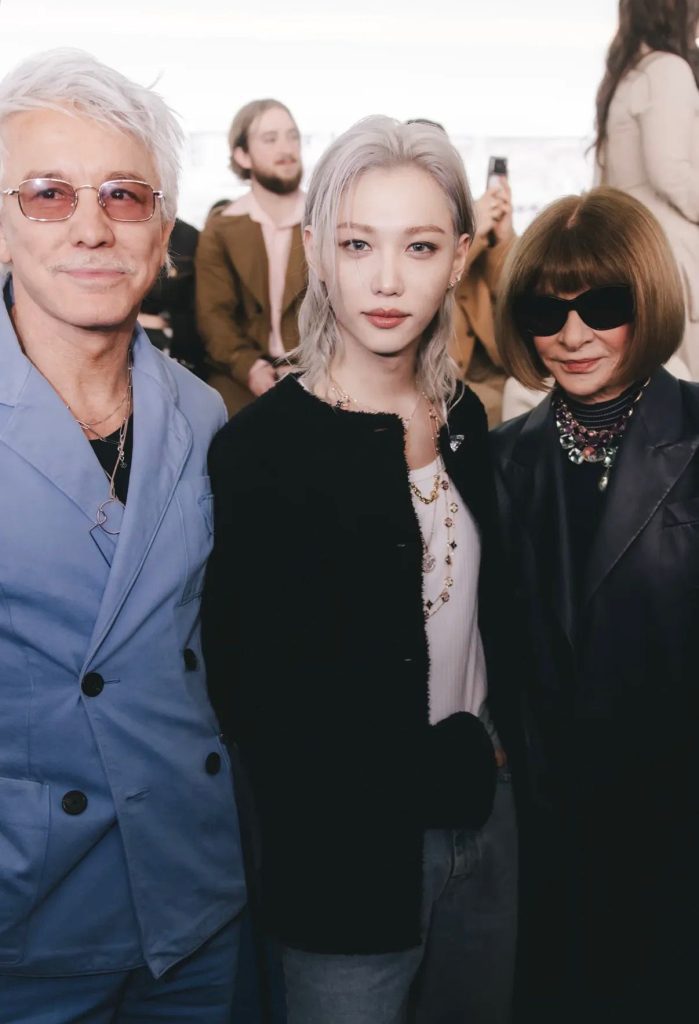
Among these guests, one group in particular has come to dominate the fashion week scene: idols, young and successful artists from the Asian entertainment industry, at the center of a growing dialogue between music and fashion industries.
The power of idols in fashion today
The presence of K-pop artists at fashion shows is not accidental. In recent years, major fashion houses have realized how strategic it is to build relationships with idols, often appointing them as global ambassadors for their brands.
This choice responds to a clear need: connecting with a global, digital generation that is deeply engaged with social media. These artists are not only singers or performers, but figures who embody aesthetics, values and visual narratives capable of reaching millions of fans around the world.
The relationship between artist and fashion house often develops through a dialogue with the brand’s creative director. Idols become interpreters of a brand’s identity, appearing in advertising campaigns, wearing collections in music videos and on red carpets, and helping create a consistent image that connects music, fashion and visual storytelling.
For fashion houses, collaborating with idols is also a way to connect with a global community that is particularly active on social media and highly engaged with contemporary pop culture.
Milan Fashion Week
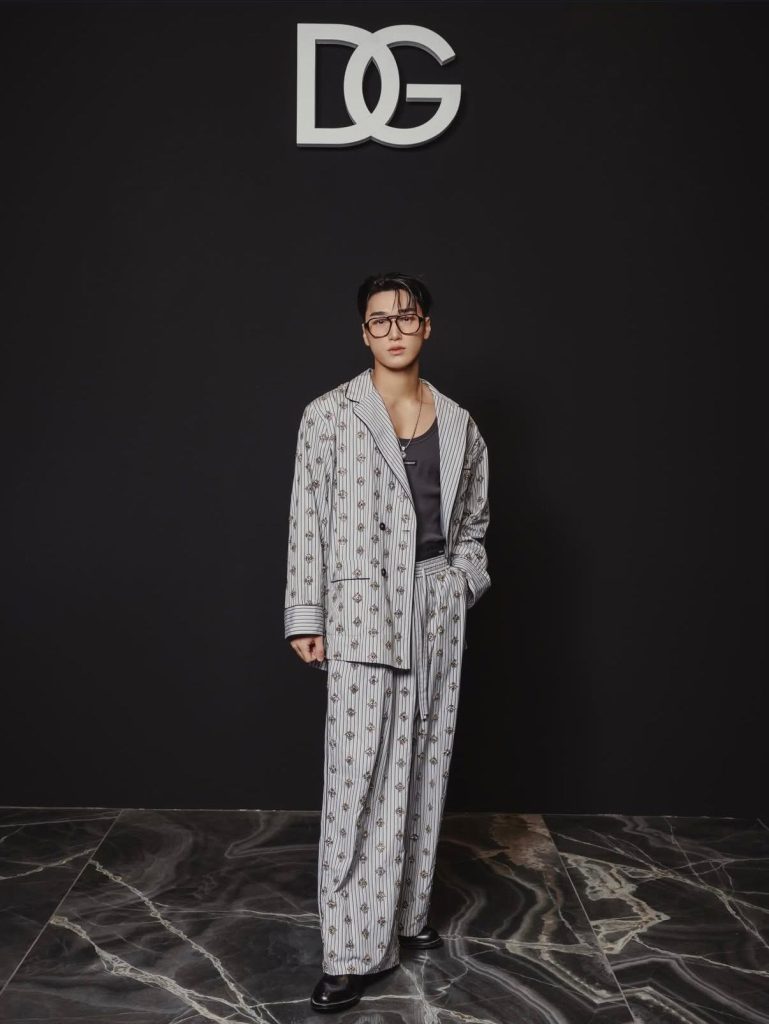
At the February 2026 Milan Fashion Week, several K-pop artists attended shows from some of the most important international fashion houses. Among the most talked-about appearances were San from Ateez, ambassador for Dolce & Gabbana, and S.Coups from Seventeen, who attended the Boss show.
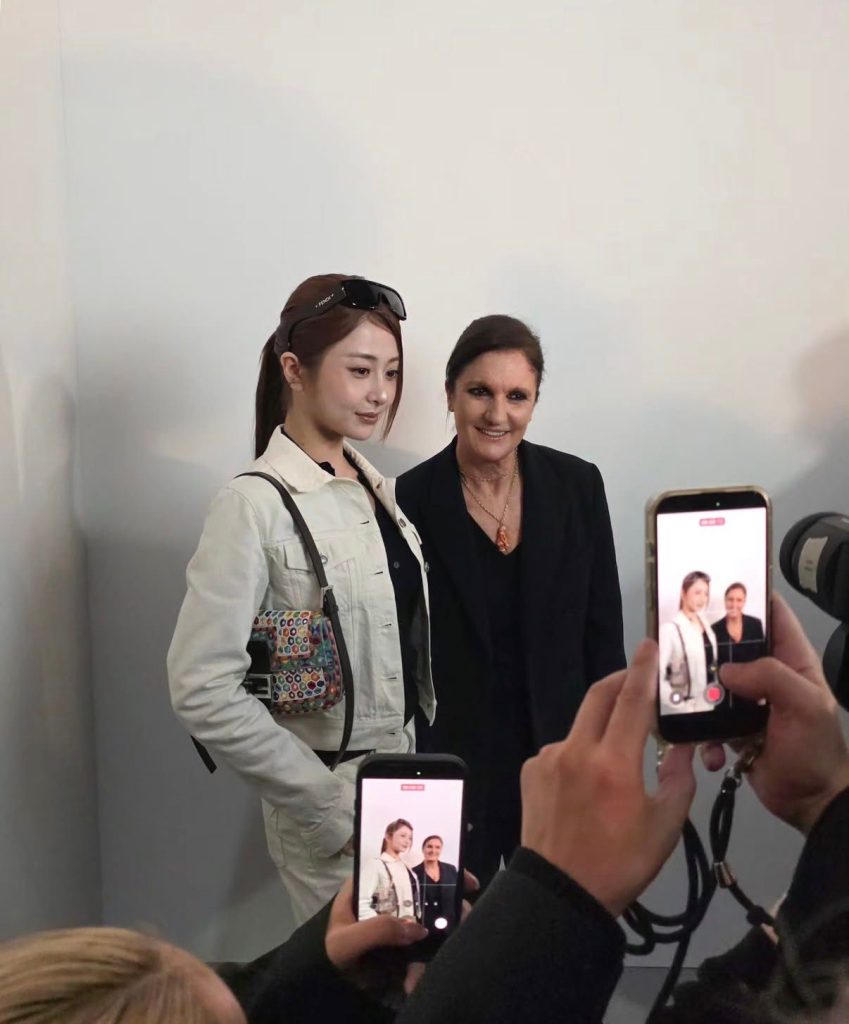
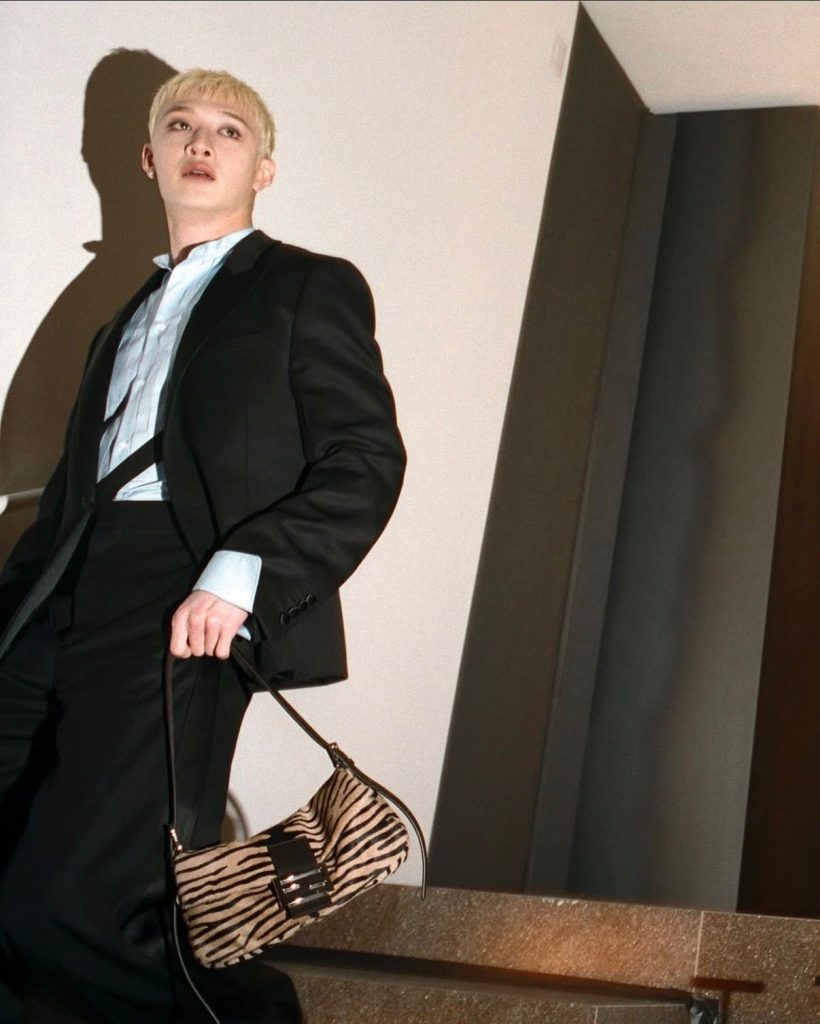
Bang Chan, ambassador for Fendi, was also present at the show that marked the return of Maria Grazia Chiuri to the Roman fashion house, years after her previous experience there before becoming the creative director of Dior.
Karina from aespa, ambassador for Prada, was also among the most photographed guests of the fashion week.
These appearances show how idols are no longer just guests, but figures who reflect the current aesthetic of many brands. Each artist brings a distinct image: from more classic elegance to experimental styling, and even increasingly fluid and hybrid aesthetics.
Paris Fashion Week
If Milan represents the meeting point between sartorial tradition and global pop culture, Paris remains the symbolic capital of fashion.
In recent years, the French city has also become one of the places where the presence of idols at fashion shows is increasingly common.
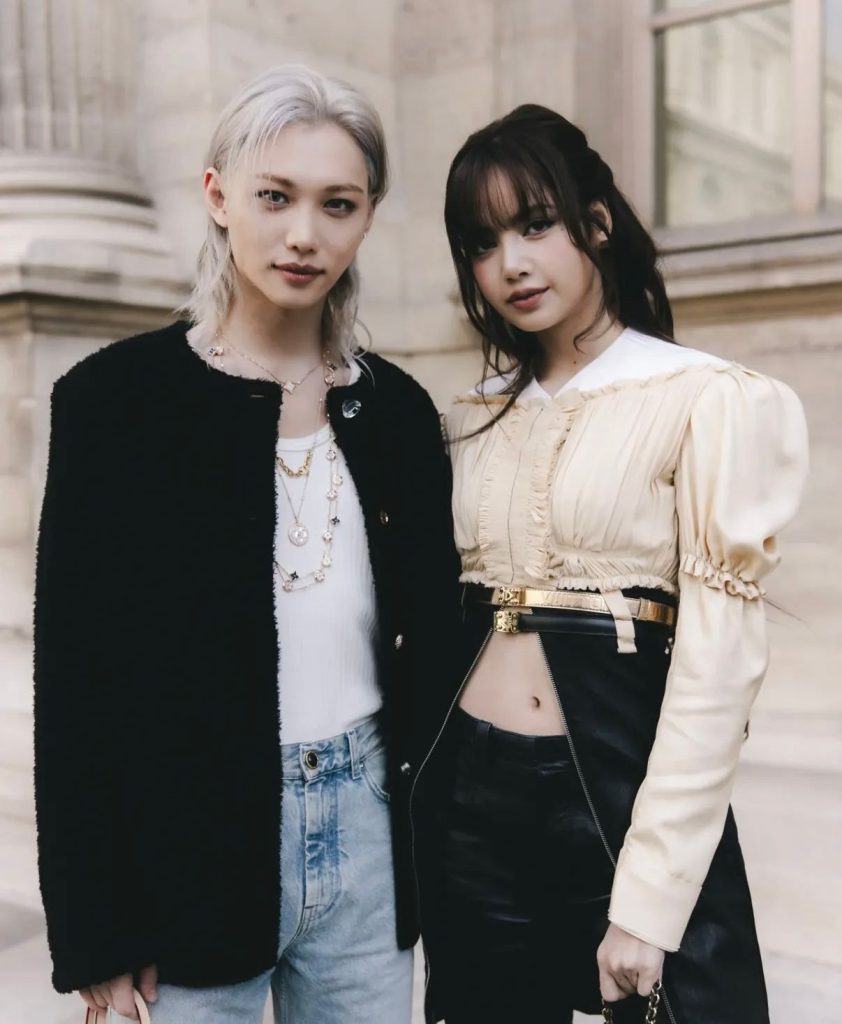
Among the most photographed artists are Jennie, Rosé and Lisa from Blackpink, Jimin from BTS and Korean DJ Peggy Gou, all regular front row guests who often attract as much media attention as the collections themselves.
Also worth mentioning are Wonyoung from IVE at Miu Miu and Felix from Stray Kids at Louis Vuitton.
All of them are artists who, in recent years, have strengthened the connection between the world of K-pop and communication strategies of fashion houses.
The relationship between K-pop and fashion, however, is not one-sided
While idols offer visibility and access to new global audiences, fashion also plays an important role in shaping the visual identity of these artists.
In K-pop, aesthetics are an essential part of musical storytelling: every comeback introduces new concepts, styling and visual codes. Collaborations with fashion houses allow artists to develop an increasingly sophisticated image, while brands find in idols new interpreters through whom they can present their collections.
L’effetto degli Idol
Fashion Month: quando gli idol del K-pop conquistano il front row delle capitali della moda
Con la Milano Fashion Week conclusa e la Parigi Fashion Week ormai anche essa finita, il fashion month entra nella sua fase finale. Dopo settimane di sfilate tra New York, Londra, Milano e Parigi, il calendario della moda internazionale si avvia verso la chiusura, lasciando dietro di sé non solo nuove collezioni ma anche immagini, presenze e momenti destinati a diventare virali.
Negli ultimi anni, infatti, la passerella non è più l’unica relazione in cui si racconta la moda. Man mano che passa il tempo, l’attenzione di chi è appassionato di moda e non solo, si sta spostando sul front row, dove editor, buyer e celebrities internazionali contribuiscono a definire l’immaginario delle sfilate tanto quanto gli abiti che scorrono in passerella.
Tra queste presenze, una in particolare domina ormai il panorama delle fashion week, ovvero gli idol, giovani artisti di successo dell’industria asiatica, protagonisti di un dialogo sempre più stretto tra industria musicale e moda.
Il potere degli idol nella moda di oggi
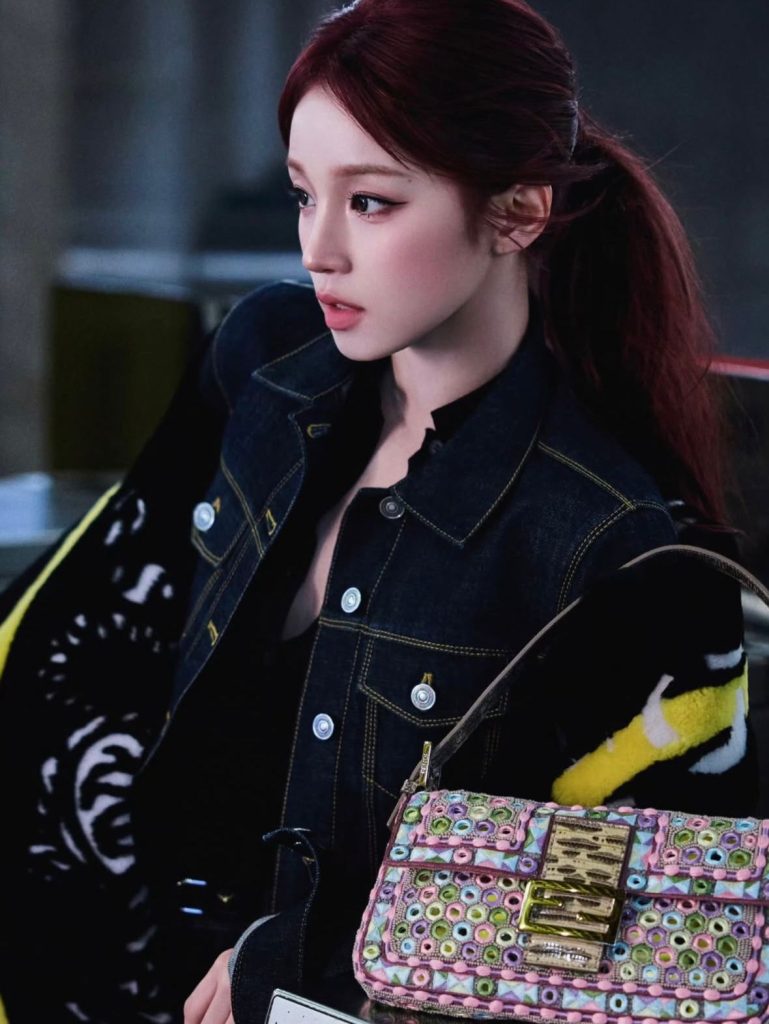
La presenza alle sfilate degli artisti del mondo del K-pop non è casuale. Negli ultimi anni le grandi maison hanno compreso quanto sia strategico costruire legami con gli idol, trasformandoli in global ambassador dei propri marchi.
Questa scelta risponde ad una necessità: dialogare con una generazione globale, digitale e profondamente connessa ai social media. Questi artisti non sono soltanto cantanti o performer, ma figure che incarnano estetiche, valori e narrazioni visive capaci di raggiungere milioni di fan in tutto il mondo.
Il rapporto tra artista e maison spesso si sviluppa attraverso un dialogo con il direttore creativo del brand. Gli idol diventano interpreti dell’identità della casa di moda, partecipando alle campagne pubblicitarie, indossando le collezioni nei videoclip e nei red carpet, contribuendo così a costruire un’immagine coerente tra musica, moda e storytelling visivo.
Per le maison, collaborare con gli idol rappresenta anche un modo per entrare in contatto con una comunità globale particolarmente attiva sui social e molto coinvolta nelle dinamiche della cultura pop contemporanea.
Milano Fashion Week
Alla Milano Fashion Week di febbraio 2026, diversi artisti del panorama K-pop hanno preso parte alle sfilate di alcune delle principali maison internazionali. Tra le presenze più osservate di quella settimana figuravano San degli Ateez, ambassador per Dolce & Gabbana, e S. Coups dei Seventeen, invitato a partecipare alla sfilata di Boss. Tra questi anche Bang Chan, ambassador di Fendi, presente alla sfilata che ha segnato il ritorno di Maria Grazia Chiuri nella maison romana, a distanza di anni dalla sua precedente esperienza prima di diventare direttrice creativa di Dior.
Anche Karina delle aespa, ambassador di Prada, è stata tra gli ospiti più fotografati della settimana della moda.
Queste apparizioni mostrano come gli idol non siano più semplici ospiti, ma figure che incarnano l’estetica attuale dei brand. Ogni artista porta con sé un’immagine distinta: dall’eleganza più classica alla sperimentazione stilistica, fino ad estetiche sempre più fluide e ibride.
Paris Fashion Week
Se Milano rappresenta l’incontro tra tradizione sartoriale e cultura pop globale, Parigi rimane il luogo della consacrazione simbolica della moda.
Negli ultimi anni anche la capitale francese è diventata uno dei luoghi in cui la presenza degli idol alle sfilate è sempre più frequente.
Tra gli artisti più fotografati si vuole citare Jennie, Rosé e Lisa delle Blackpink, Jimin dei BTS e la DJ coreana Peggy Gou, protagonisti di front row che spesso attirano l’attenzione dei media quanto le collezioni stesse.
Da non dimenticare Wonyoung delle IVE da Miu Miu e Felix degli Stray Kids da Louis Vuitton.
Tutti quanti sono artisti che negli ultimi anni hanno consolidato il legame tra il mondo del K-pop e le strategie di comunicazione delle case di moda.
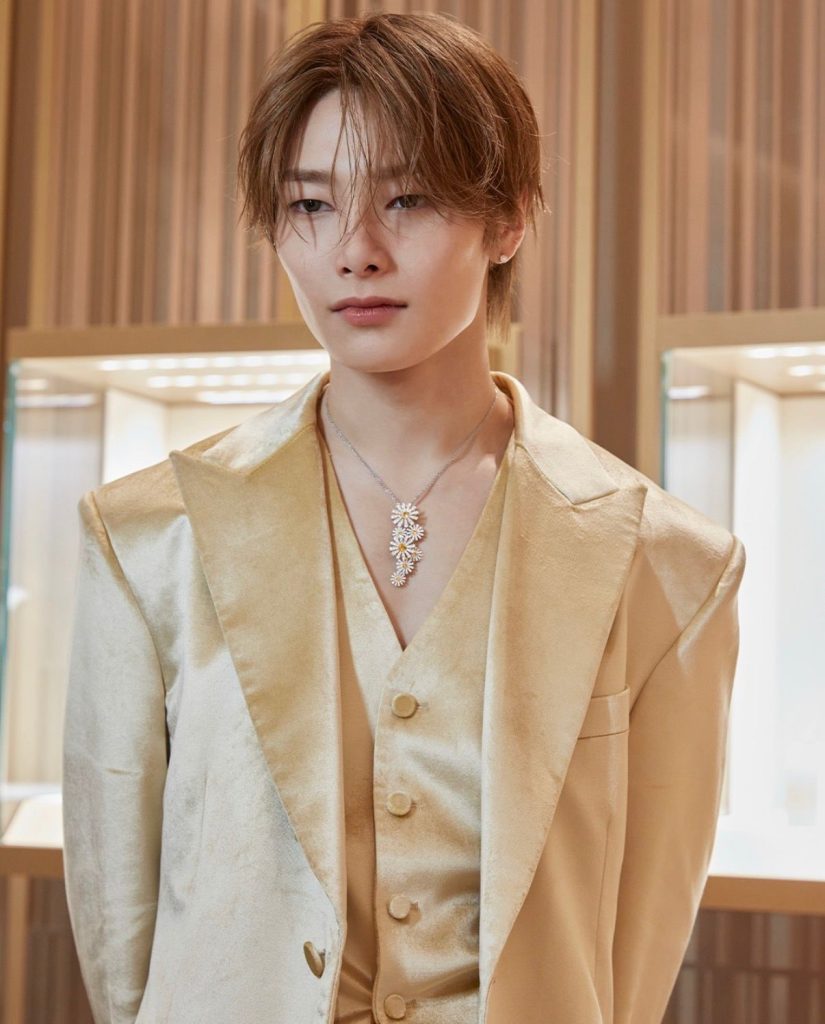
Il rapporto tra K-pop e moda non è però a senso unico.
Se da un lato gli idol offrono visibilità e accesso a nuovi pubblici globali, dall’altro la moda contribuisce a definire l’identità visiva di questi artisti.
Nel K-pop l’estetica è parte integrante della narrazione musicale: ogni comeback introduce nuovi concept, styling e codici visivi. Le collaborazioni con le maison permettono agli artisti di sviluppare un’immagine sempre più sofisticata, mentre i brand trovano negli idol nuovi interpreti attraverso cui raccontare le proprie collezioni.
Articolo di: Carol Garlando e Stella Biasucci
Foto: Instagram