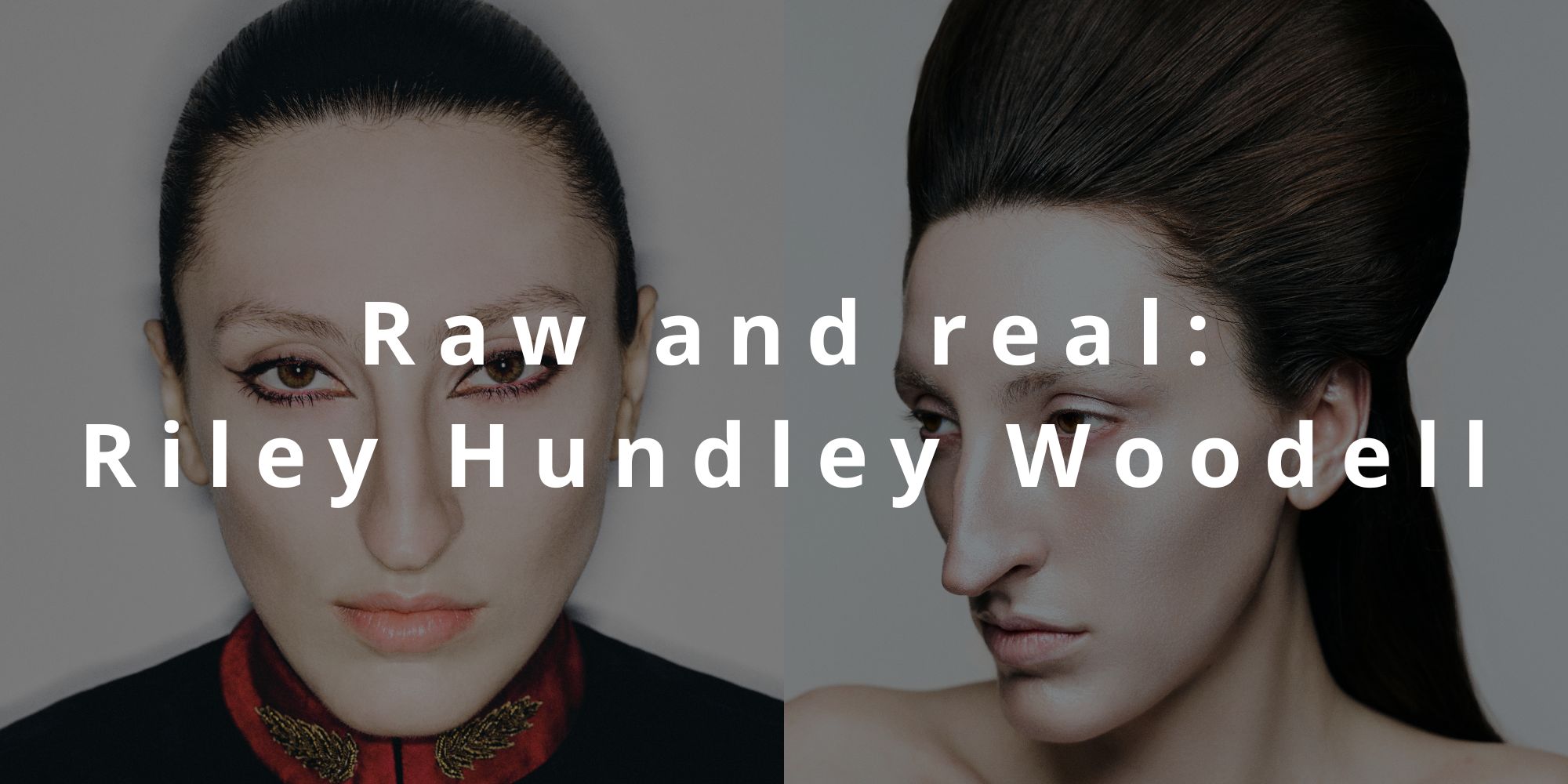
What happens when you refuse to play by the industry’s unwritten rules? Ask Riley Hundley Woodell.
The editorial and runway model is a breath of fresh air in a crowded, high-pressure fashion system that operates at a million miles an hour. Her vibe? Raw, edgy and poetic all at once.
Riley is out there championing genuine originality and deep self-awareness, proving that authenticity has a much longer shelf-life than whatever micro-trend is currently in your TikTok feed. In an era where everyone else seems to copy and paste the same features just to blend in, she’s standing out and challenging homologation.
For Riley, fashion isn’t just about the classic commercial glamour: it’s pure and unfiltered storytelling.
From her roots in North Carolina to hitting international runways, she’s taking us on a journey through her world. But don’t let the sharp imagery fool you: she is truly the loveliest person.
Get ready to take notes: here is the full interview!
To start off, could you tell us a bit about yourself and your story? What was that exact moment when you realized fashion was going to be your path?
I’m Riley Woodell, an editorial and runway model originally from a small town in North Carolina. Growing up, fashion felt very far away from my reality. I spent a lot of time outdoors, horseback riding, swimming, running, playing outside, and exploring with my friends. Modeling started as an opportunity based on the encouragement from friends and family to try it out, but quickly became something much deeper. I don’t think there was one dramatic moment where I realized fashion was my path. It was more a collection of moments. Standing on set, collaborating with creative people in my local area, and realizing I could tell stories without saying a word. That’s when I understood fashion wasn’t just about clothes or glamour. It was a form of art and communication.
Was fashion always your first choice or is there another dream you’ve kept tucked away in a drawer?
Fashion wasn’t always my first choice. I’ve always been a very creative person, and I think if I hadn’t become a model, I would still have found myself in a creative field. I love storytelling, writing, creating content, and building my fashion community with like-minded people driven to succeeded. I also have a huge passion for secondhand fashion and sustainability. I don’t think I’ve abandoned any dreams. I just see modeling as one chapter of a much larger creative journey. Ideally I’d like to start acting and move more into the film world in addition to my career in fashion.
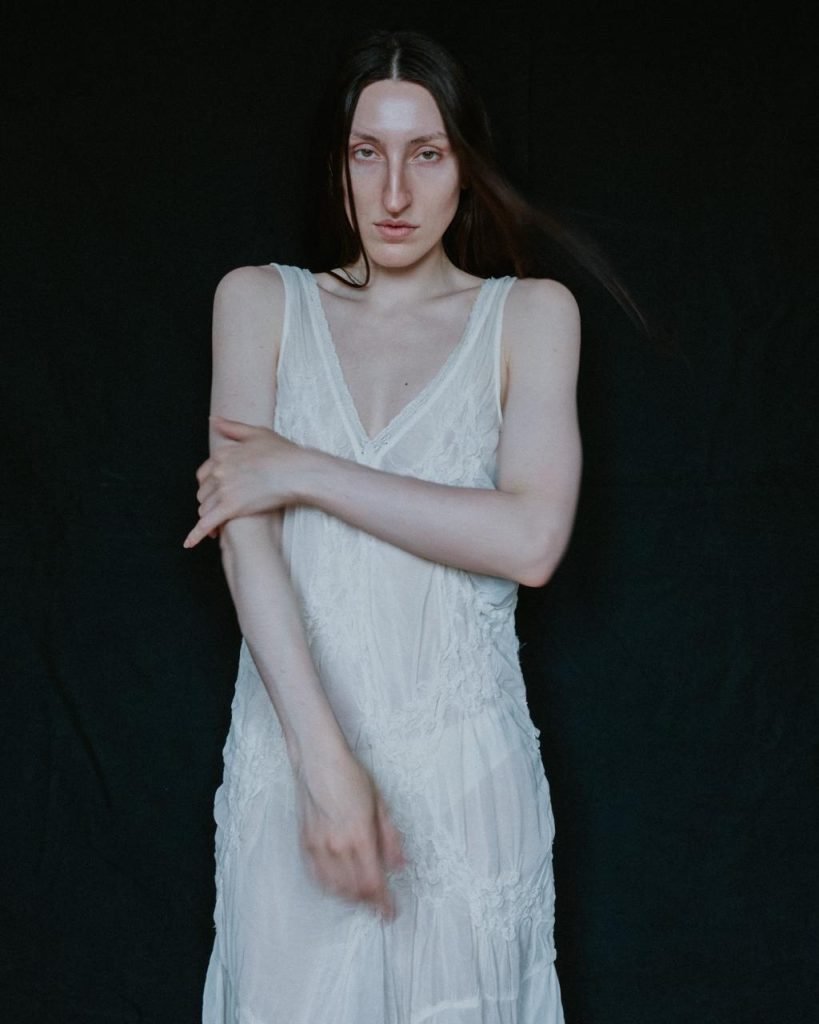
You mentioned wanting to break down the misconceptions around career longevity in the industry. What do you think is the biggest myth people believe about a model’s career span? How do you fight the idea that fashion is only looking for the next new face every six months?
The biggest myth is that models have an expiration date. People often assume that if you aren’t the newest or youngest face, your career will move into a flat like eventually. In reality, many of the most respected models have built careers spanning decades and we’re seeing a lot more mature models being sought after in markets like Paris. Fashion absolutely loves new discovery, but it also values professionalism, reliability, experience, and perspective. I think the industry is beginning to appreciate longevity more than people realize. I challenge that misconception simply by continuing to show up, evolve, and create opportunities for myself rather than waiting for permission to exist in the industry.
I love how you use your platform to embrace unique features and insecurities. Today, we see two opposites: people celebrating their uniqueness, but also celebrities and models following the same, repetitive beauty standards. Where do you find the strength to never change or conform? Have you ever been tempted to give in after a harsh critique?
Of course I’ve had moments where criticism made me question myself. I think every model has. The industry can be incredibly rewarding, but it can also make you hyper-aware of your appearance. What keeps me grounded is remembering that the things people once told me to change are often the exact things that helped me stand out later. Beauty trends are just that – trends, but individuality has lasting power. I’ve learned that chasing someone else’s version of beauty is really exhausting. The strongest thing I can do is show up as myself and trust that the right opportunities will value authenticity. That’s easier said than done at times but it never steers me wrong.
Looking ahead, how do you see the fashion industry evolving? Do you think the market will truly start rewarding and protecting uniqueness, or is there still a long way to go? And where do you see yourself in this future landscape?
I think we’re in an interesting transition period. There is more conversation around individuality, but there is still pressure toward sameness, especially through social media now. I believe the brands and creatives that have lasting cultural impact are the ones willing to champion genuine originality. We still have a long way to go, but I’m hopeful. In that future, I see myself continuing to work at the intersection of fashion, storytelling, and education while continuing to grow as a model, creative, and an artist.
You’ve walked for some incredible brands during Fashion Weeks. Looking back, is there one specific runway show or look that made you feel really powerful, where you thought, “this is exactly who I am”?
One of my recent fashion week experiences really embodied this for me. I walked for Agro Studios in London this past February and that show embodied every fiber of who I am in the industry. Angus and George, the designers, made me feel welcomed and embraced from the moment I stepped into their studio, fresh off the plane. The clothing and the styling told a story that made me feel transported and a major “this is me” emotion. The team was so professional. And you could feel that they truly love fashion – but not in a boastful way – it’s heartfelt. The effect was profound. I was able to step into character, walk down the runway, and truly felt like the designers wholeheartedly were cheering us on. It was unlike anything I’ve ever experienced before.
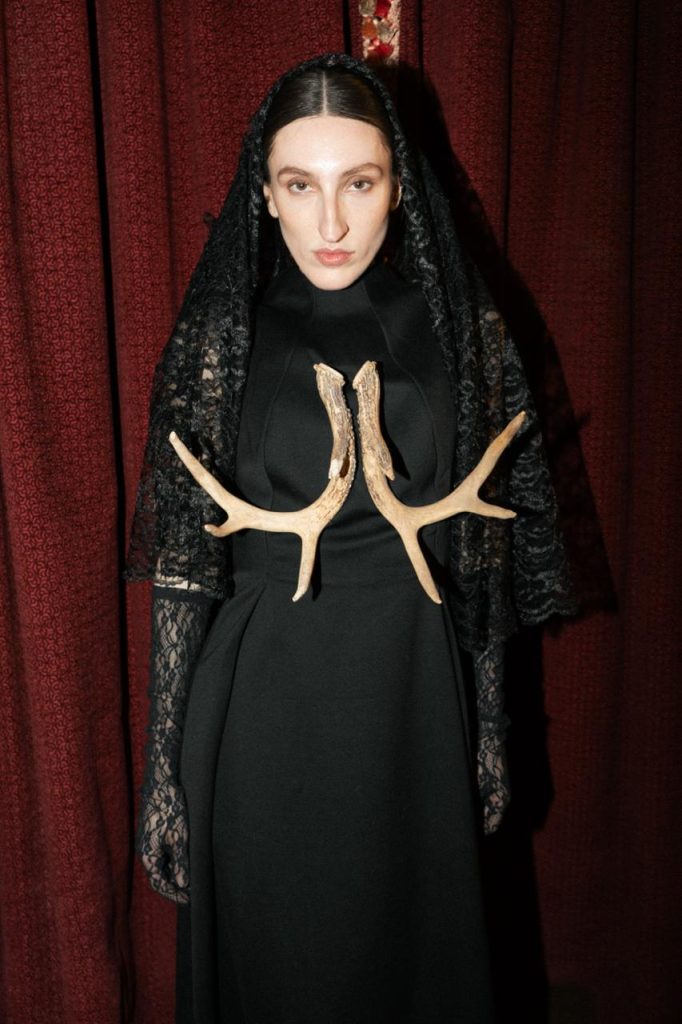
Your aesthetic and personality are incredibly distinct. Is there a specific brand you haven’t collaborated with yet, but that you feel matches perfectly with your vision and that you’d love to work with?
I would love the opportunity to work with Rick Owens. It almost happened this past March. I’ve always admired the world he creates. There’s a sense of freedom, rebellion, and artistic integrity in the brand that feels very aligned with how I approach fashion. The work feels emotional rather than purely commercial, and that’s something I really connect with. But in contrast I would also love to do a Dior or YSL beauty campaign. I feel it’ll happen. Just a matter of timing, patience, and hard work.
Off the runway, fashion is all about personal expression. What is your ultimate “power outfit” or the piece in your wardrobe that instantly boosts your confidence on a bad day?
Honestly, it’s usually something surprisingly simple. A great vintage leather jacket, worn-in boots, and a pair of perfectly fitting jeans can make me feel unstoppable. I love clothing that feels lived in and authentic. Confidence comes less from wearing something expensive and more from wearing something that feels like an extension of who you are.
High-fashion editorials show pure creativity, art, and free expression, which is amazing. But on social media, that artistic side doesn’t always perform well. Do you feel like the internet is killing real fashion subcultures? And how do you protect your raw, edgy aesthetic from becoming just another commercial product?
I don’t think the internet is killing subcultures, but I do think it’s accelerating the cycle. A niche aesthetic can go from underground to mainstream in a matter of weeks. The challenge is that visibility often comes at the cost of nuance. Personally, I try not to create solely for the algorithm. Some of my favorite work will never be my most viral work, and I’ve had to make peace with that. The goal isn’t to appeal to everyone. It’s to create something honest enough that the people who connect with it genuinely care. That’s where culture lives.
Lastly, what is the ultimate advice you would give to emerging models and creatives who are trying to find their voice in this industry today?
Stop trying to be the next version of someone else. The industry already has that person. Your greatest advantage is the perspective that only you can bring. Be curious, be professional, and invest in relationships rather than chasing quick, fleeting validation. Most importantly, don’t abandon what makes you different just because it isn’t immediately rewarded. Fashion moves in cycles, but authenticity doesn’t fade.
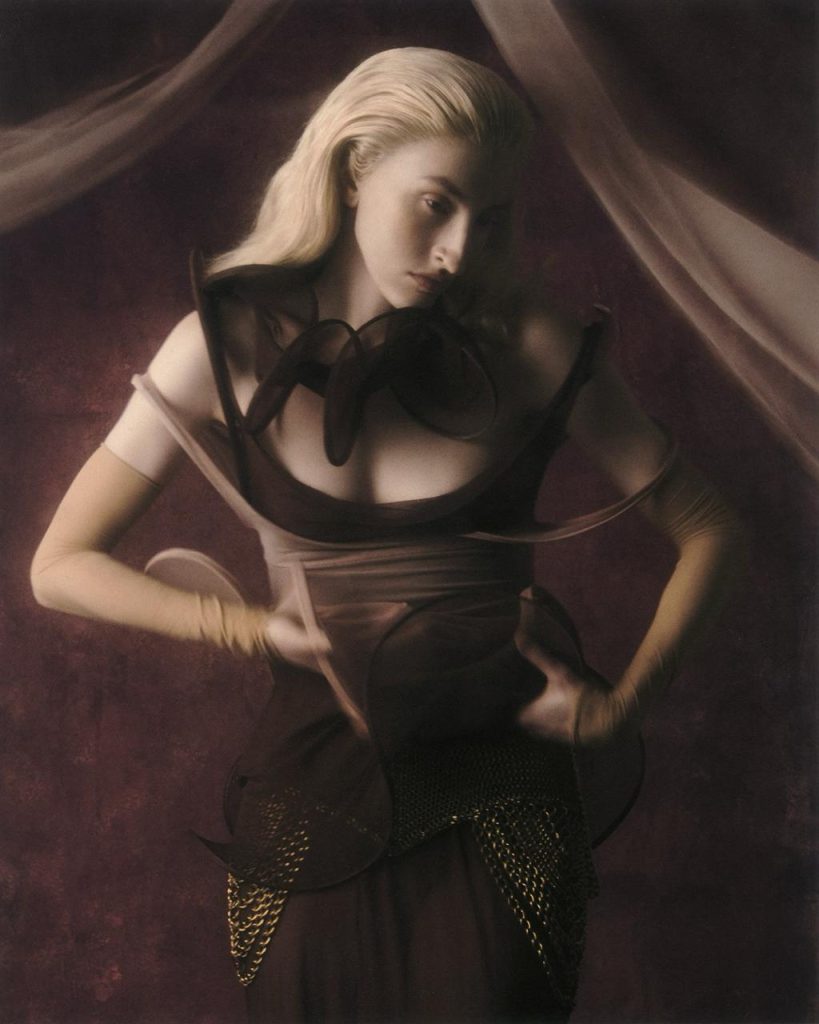
Sleeve, skirt and chest piece: Angel Luo
@angelluo
Chainmail: Falconiere Shop
@falconiereshop
Bracelet: Stylist owned
Shoes: Sexyprom
Team Credits:
Photographer and Creative Director / Virginia Kluiters
Talent / Riley Woodell
Wardrobe Stylist / Anaka Buckson
Wardrobe Assistant / Lily Lombardi
Set Designers: Scott Fetterman and Virginia Kluiters
Photo Assistant and lighting designer / Derick Marquez
Hair Stylist: Nathan Juergensen
Makeup Artist: Jennifer Gonzalez
Autentica e genuina: ecco Riley Hundley Woodell
Cosa succede quando ci si rifiuta di seguire le regole non scritte del settore moda? Chiedetelo a Riley Hundley Woodell.
Modella editoriale e da passerella, Riley è una vera boccata d’aria fresca in un sistema della moda affollato e con una fortissima pressione, che corre a una velocità incredibile. Il suo stile? Crudo, intenso e poetico allo stesso tempo.
Riley porta avanti con convinzione la sua originalità e una profonda consapevolezza di sé, dimostrando che l’autenticità dura molto più di qualsiasi micro-trend che oggi invade il feed di TikTok. In un’epoca in cui tutti sembrano rincorrere gli stessi tratti per assomigliarsi sempre di più, lei sceglie di distinguersi e di mettere in discussione questa continua omologazione.
Per Riley la moda non è solo il classico glamour commerciale: è storytelling allo stato puro, senza filtri.
Dalle sue radici in North Carolina fino alle passerelle internazionali, ci accompagna dentro il suo mondo. Ma non lasciatevi ingannare dal carattere deciso che traspare nelle foto: è davvero una delle persone più gentili e disponibili che possiate incontrare.
Preparatevi a prendere appunti: ecco l’intervista completa.
Per iniziare, potresti raccontarci qualcosa di te e della tua storia? Qual è stato il momento esatto in cui hai capito che la moda sarebbe stata la tua strada?
Sono Riley Woodell, una modella editoriale e da passerella originaria di una piccola città del North Carolina. Crescendo, la moda mi sembrava qualcosa di molto lontano dalla mia realtà. Passavo tantissimo tempo all’aria aperta: andavo a cavallo, nuotavo, correvo, giocavo fuori ed esploravo con i miei amici.
Ho iniziato a fare la modella grazie all’incoraggiamento di amici e familiari, che mi hanno spinta a provarci, ma è diventato molto in fretta qualcosa di molto più profondo. Non credo ci sia stato un unico momento decisivo in cui ho capito che la moda fosse la mia strada. È stato piuttosto un insieme di momenti: stare sul set, collaborare con persone creative della mia zona e rendermi conto che potevo raccontare storie senza dire una sola parola.
È stato allora che ho capito che la moda non riguardava solo i vestiti o il glamour. Era una forma d’arte e di comunicazione.
La moda è sempre stata la tua prima scelta o c’è un altro sogno che tieni nel cassetto?
La moda non è sempre stata la mia prima scelta. Sono sempre stata una persona molto creativa e penso che, se non fossi diventata una modella, avrei comunque trovato la mia strada in un ambito creativo.
Amo raccontare storie, scrivere, creare contenuti e costruire una comunità legata alla moda insieme a persone che condividono i miei stessi interessi e la stessa determinazione a raggiungere i propri obiettivi. Ho anche una grande passione per il second hand e per la sostenibilità.
Non credo di aver abbandonato nessun sogno. Semplicemente, vedo il modelling come uno dei capitoli di un percorso creativo molto più ampio. Idealmente, mi piacerebbe iniziare a recitare e avvicinarmi sempre di più al mondo del cinema, continuando allo stesso tempo la mia carriera nella moda.
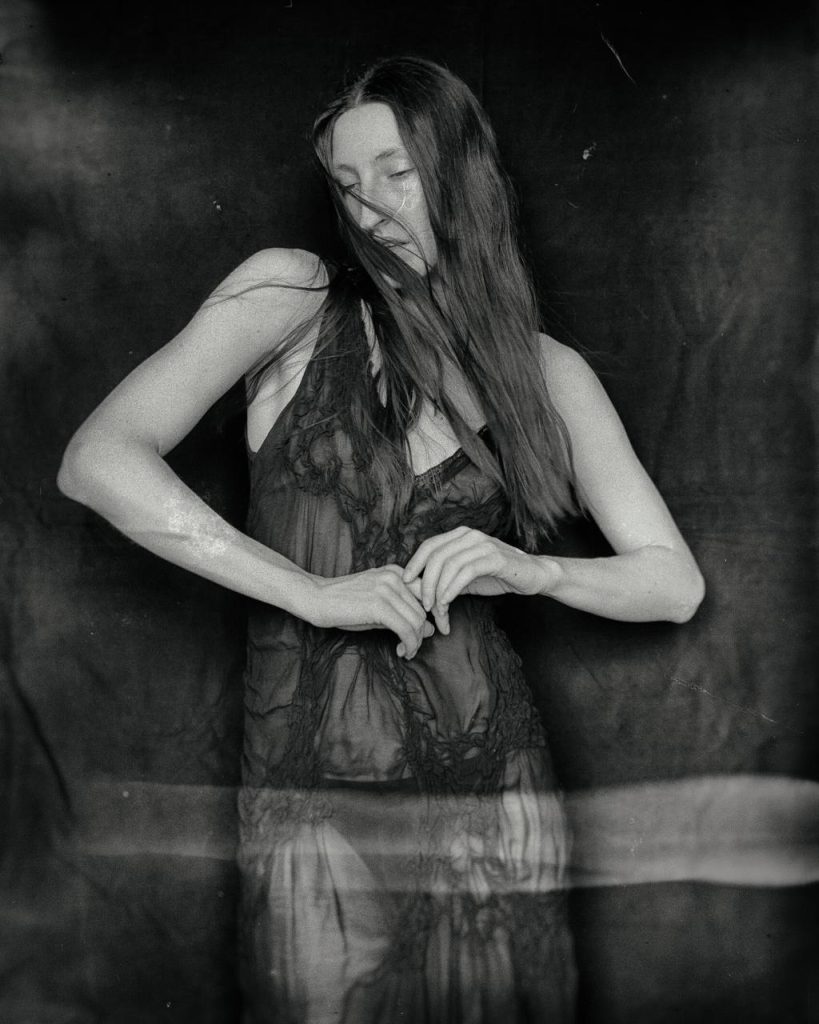
Hai accennato al desiderio di sfatare i luoghi comuni sulla longevità di una carriera nel settore. Qual è, secondo te, il mito più diffuso sulla durata della carriera di una modella? Come combatti l’idea che la moda cerchi il prossimo volto nuovo ogni sei mesi?
Il mito più diffuso è che le modelle abbiano una data di scadenza. Spesso si pensa che, se non si è le più giovani o le più nuove, la propria carriera sia destinata a scomparire. In realtà, molte delle modelle più rispettate hanno costruito carriere che durano da decenni e stiamo assistendo a una crescente richiesta di modelle mature in mercati come quello parigino. La moda ama scoprire nuovi talenti, ma apprezza anche la professionalità, l’affidabilità, l’esperienza e la prospettiva. Credo che il settore stia iniziando ad apprezzare la longevità più di quanto si pensi. Io sfido questo luogo comune semplicemente continuando a essere presente, a evolvermi e a crearmi opportunità, invece di aspettare il permesso per poter esistere nel settore.
Adoro il modo in cui usi le tue piattaforme per valorizzare le caratteristiche uniche e le insicurezze. Oggi vediamo due opposti: persone che celebrano la propria unicità, ma anche celebrità e modelle che seguono gli stessi, ripetitivi standard di bellezza. Dove trovi la forza di non cambiare mai e di non conformarti? Ti è mai venuta la tentazione di cedere dopo una dura critica?
Certo, ho avuto momenti in cui le critiche mi hanno fatto dubitare di me stessa. Credo che succeda a tutte le modelle. Il settore può essere incredibilmente gratificante, ma può anche renderti iper-consapevole del tuo aspetto. Ciò che mi aiuta a rimanere con i piedi per terra è ricordare che le cose che un tempo mi dicevano di cambiare sono spesso proprio quelle che mi hanno permesso di distinguermi in seguito. Le tendenze beauty sono solo questo: tendenze, ma l’individualità ha un potere duraturo. Ho imparato che inseguire la versione di bellezza di qualcun altro è davvero estenuante. La cosa più forte che posso fare è presentarmi per come sono e avere fiducia che le giuste opportunità apprezzeranno l’autenticità. A volte è più facile a dirsi che a farsi, ma non mi ha mai delusa
Guardando al futuro, come vedi l’evoluzione dell’industria della moda? Pensi che il mercato inizierà davvero a premiare e proteggere l’unicità, o c’è ancora molta strada da fare? E dove ti vedi in questo scenario futuro?
Credo che ci troviamo in un interessante periodo di transizione. Si parla molto di individualità, ma c’è ancora una forte pressione verso l’omologazione, soprattutto attraverso i social media. Credo che i brand e i creativi che avranno un impatto culturale duraturo saranno quelli disposti a promuovere l’autentica originalità. Abbiamo ancora molta strada da fare, ma sono fiduciosa.
In quel futuro, mi vedo continuare a lavorare all’incrocio tra moda, storytelling e formazione, continuando a crescere come modella, creativa e artista.
Hai sfilato per brand incredibili durante le Fashion Week. Ripensandoci, c’è una sfilata o un look in particolare che ti ha fatto sentire davvero potente, in cui hai pensato: “questa sono esattamente io”?
Una delle mie recenti esperienze alla Fashion Week ha incarnato perfettamente questo concetto. Lo scorso febbraio ho sfilato per Agro Studios a Londra e quello show ha incarnato appieno la mia identità nel settore. Angus e George, gli stilisti, mi hanno fatto sentire benvenuta e a mio agio fin dal momento in cui ho messo piede nel loro studio, appena scesa dall’aereo. Gli abiti e lo styling raccontavano una storia che mi ha trasportata in un altro mondo, facendomi sentire profondamente me stessa. Il team era estremamente professionale. E si percepiva la loro sincera passione per la moda, non in modo ostentato, ma con tutto il cuore. L’effetto è stato profondo. Sono riuscita a calarmi completamente nel personaggio, a sfilare in passerella e a sentire davvero che gli stilisti ci incoraggiavano con tutto il cuore. È stata un’esperienza unica, diversa da qualsiasi altra avessi mai vissuto.
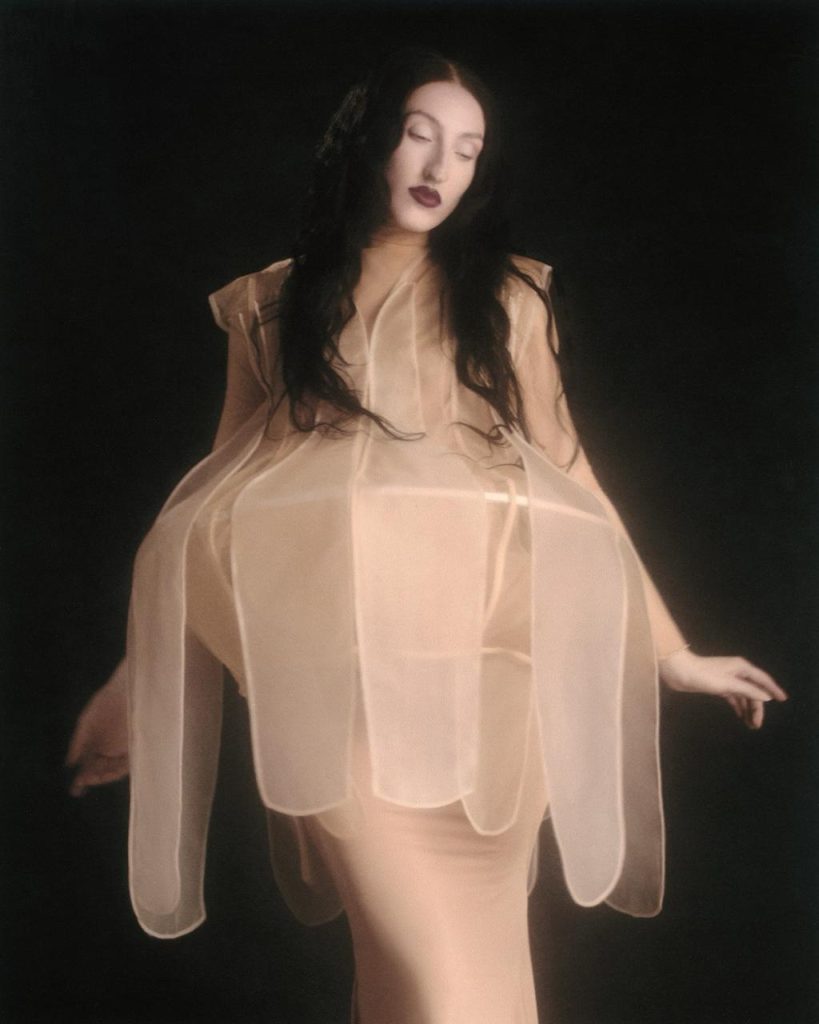
Talent / Riley Woodell
Wardrobe Stylist / Anaka Buckson
Wardrobe Assistant / Lily Lombardi
Set Designers: Scott Fetterman and Virginia Kluiters
Photo Assistant and lighting designer / Derick Marquez
Hair Stylist: Nathan Juergensen
Makeup Artist: Jennifer Gonzalez
Fashion Credits
Top: Tongying Matilda Liang
@t_liang_t
Dress: Daniel Silverstain
@danielsilverstain
Shoes: Agodor
La tua estetica e la tua personalità sono incredibilmente distintive e forti. C’è un brand in particolare con cui non hai ancora collaborato, ma che senti si adatti perfettamente alla tua visione e con cui ti piacerebbe molto lavorare?
Mi piacerebbe moltissimo avere l’opportunità di lavorare con Rick Owens. È quasi successo lo scorso marzo. Ho sempre ammirato il mondo che crea. C’è un senso di libertà, ribellione e integrità artistica nel brand che si allinea perfettamente con il mio approccio alla moda. Il lavoro è emotivo piuttosto che puramente commerciale, ed è qualcosa con cui mi identifico molto.
Ma, al contrario, mi piacerebbe anche partecipare a una campagna beauty di Dior o YSL. Credo che accadrà. È solo questione di tempismo, pazienza e duro lavoro.
Fuori dalle passerelle, la moda è tutta espressione personale. Qual è il tuo “power outfit” per eccellenza o il capo del tuo guardaroba che ti dà una carica immediata di fiducia in una brutta giornata?
Onestamente, di solito è qualcosa di sorprendentemente semplice. Una bella giacca di pelle vintage, degli stivali consumati e un paio di jeans che mi stanno a pennello possono farmi sentire inarrestabile. Adoro gli abiti che trasmettono un senso di vissuto e autenticità. La sicurezza in sé stessi non deriva tanto dall’indossare qualcosa di costoso, quanto dall’indossare qualcosa che si senta un’estensione di sé.
Gli editoriali di alta moda mostrano pura creatività, arte e libera espressione, il che è fantastico. Ma sui social media, questo lato artistico non sempre viene apprezzato. Pensi che internet stia uccidendo le vere sottoculture della moda? E come proteggi la tua estetica grezza e anticonformista dal diventare un semplice prodotto commerciale?
Non credo che internet stia uccidendo le sottoculture, ma penso che ne stia accelerando il ciclo. Un’estetica di nicchia può passare dall’underground al mainstream in poche settimane. La difficoltà sta nel fatto che la visibilità spesso va a scapito delle sfumature.
Personalmente, cerco di non creare solo per l’algoritmo. Alcuni dei miei lavori preferiti non saranno mai i più virali, e ho dovuto accettarlo. L’obiettivo non è piacere a tutti. È creare qualcosa di abbastanza onesto da far sì che le persone che lo apprezzano se ne interessino davvero. È lì che nasce la cultura.
Infine, qual è il consiglio più importante che daresti a modelli e creativi emergenti che cercano di trovare la propria voce in questo settore oggi?
Smettetela di cercare di essere la prossima versione di qualcun altro. Il settore ha già quella persona. Il vostro più grande vantaggio è la prospettiva che solo voi potete offrire. Siate curiosi, siate professionali e investite nelle relazioni piuttosto che inseguire una rapida e fugace approvazione. Soprattutto, non abbandonate ciò che vi rende diversi solo perché non viene premiato immediatamente. La moda si muove a cicli, ma l’autenticità non svanisce.
Photocredits: Courtesy of Riley Woodell.
Credits cover photos: Photogrpaher: Brendan Wixted MUA: Coco Zhu Hair: Takayuki Umeda