
We know everything about sunscreen. So why do we still get sunburned?
There was a time when sunscreen was almost seen as something that got in the way. The goal was to tan as fast as possible and people would do anything to make it happen. Some used tanning oils, others went for SPF 4 and some even relied on homemade tricks. One of the most famous? A mix of beer and olive oil (or Johnson’s Baby Oil), which became popular in the ’80s and ’90s as a supposed “tan booster.” In reality, the only thing it boosted was your chances of getting burned.
Today, things look completely different. Sunscreen is probably one of the beauty topics we’re most informed about. We know what SPF means, we check the UV index before spending time in the sun and we buy SPF 50+, sunscreen sticks for sensible areas such as eye contour, and hair protection sprays. We know UV rays can get through clouds, that the sun speeds up skin aging and that a sunburn is much more than a temporary inconvenience. Social media tells us to wear sunscreen every day of the year and dermatologists remind us to reapply it every two hours.
And yet, every summer, the same thing happens: we get sunburned.
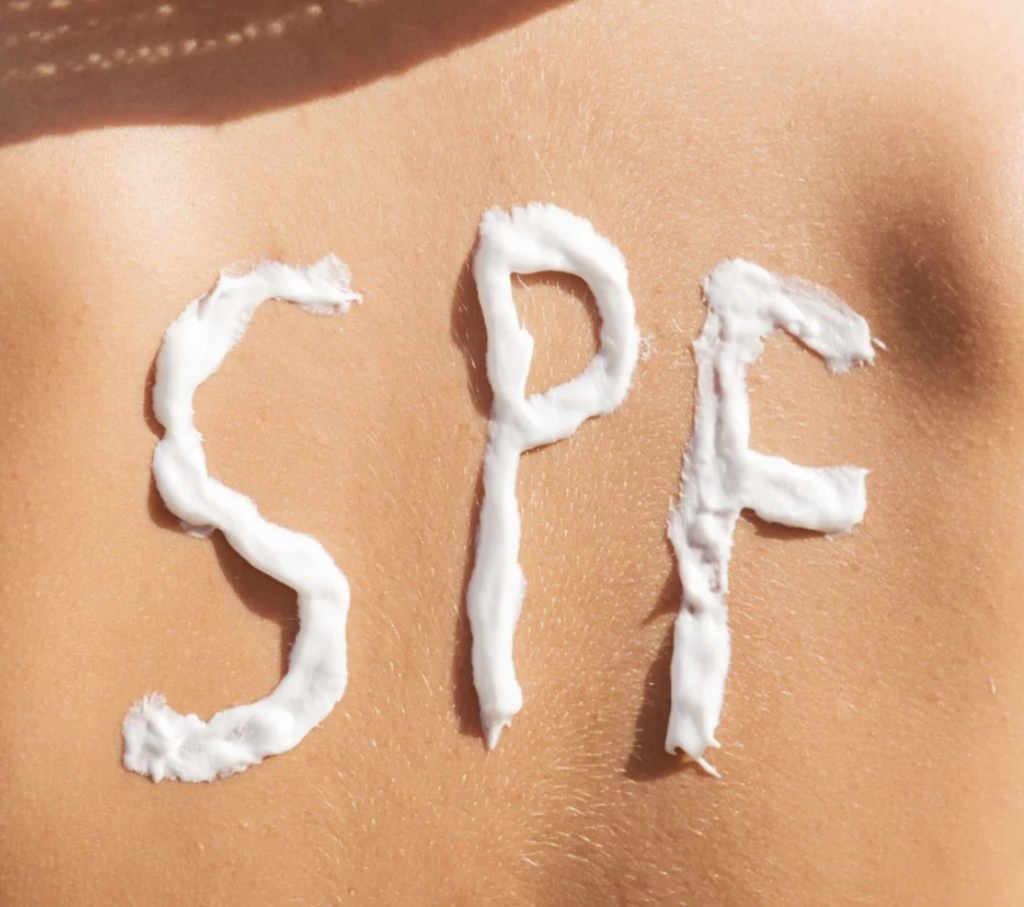
So the question isn’t whether we know more than we did thirty years ago. We definitely do. The real question is: why isn’t all this information enough?
Well, the answer is simple: knowing something doesn’t necessarily mean putting it into practice.
The first mistake is thinking that the SPF will protect you all day. The truth is, sunscreen doesn’t work like a permanent shield. Sweat, repeated swims and even drying off with a towel gradually reduce its effectiveness.
Then there’s something that often goes unnoticed: sunscreen expires. A bottle that was opened last summer and left sitting in the sun or in a hot car for days may no longer provide the protection written on the label. That doesn’t mean SPF 50 magically turns into SPF 30, but its effectiveness can decrease if the formula has broken down or hasn’t been stored properly.
So how can you tell if it’s still good? Besides checking the PAO symbol (the little open-jar icon on the back), pay attention to the texture, color and smell. If anything seems off, the UV filters have most likely started to degrade.
Another common misconception has to do with water. Many people think going for a swim gives their skin a break from the sun, when in reality both water and sand reflect part of the UV rays (around 10–25%), increasing your overall exposure. That means that even if you’re floating in the water or sitting under an umbrella, you’re still getting hit by UV rays coming from below as well as above. And if your sunscreen has been washed off or rubbed away with a towel, your chances of getting burned go up even more.
Not to mention that no sunscreen is truly waterproof. If it says “water resistant,” it simply means it can keep about 50% of its protection after you’ve been in the water.
Finally, there’s one factor we all know about but keep ignoring: timing. Spending time in the sun during the middle of the day doesn’t help you tan faster, it just increases the amount of damage your skin takes.
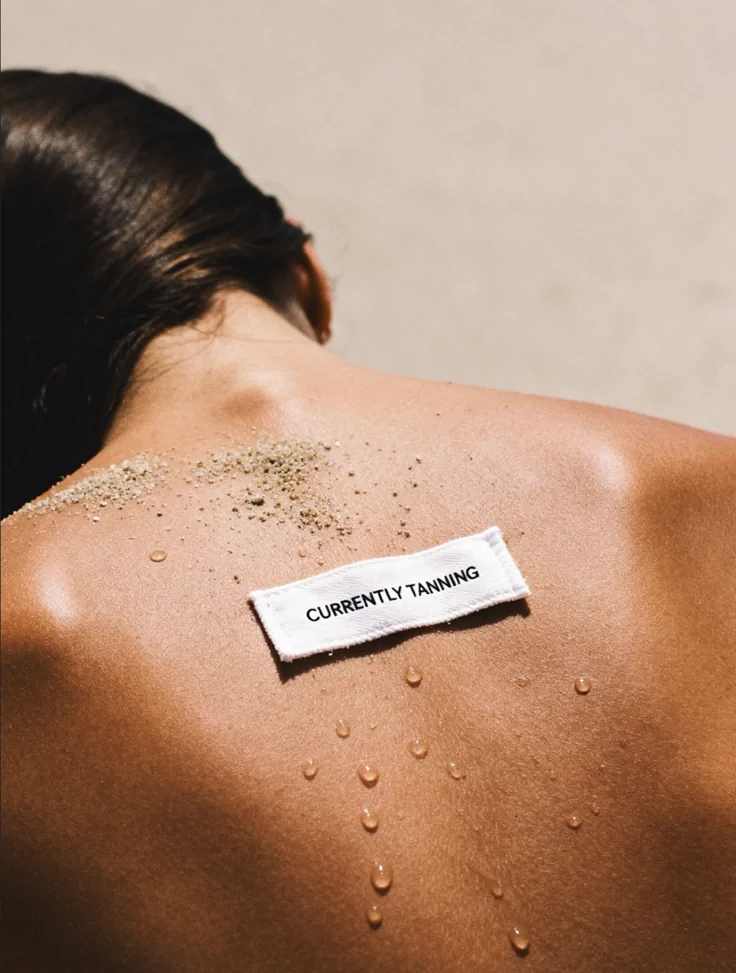

Let’s bust one of the oldest tanning myths: “first I burn, then I tan”. That’s not how it really works.
I know it because I’ve been there myself.
Did I put sunscreen on? Yes. Did I reapply it? Sure, but nowhere near as often as I should have.
The result was a week of dealing with skin that burned, peeled and reminded me every time I put on a t-shirt that knowing what to do and actually doing it are two very different things.
And the ending wasn’t exactly worth it either. There was no golden glow to make me think: “well, at least it was worth it”. Instead, I was left with patchy, uneven skin before turning almost as pale as I was before. Basically, my skin decided to shed like a snake to get rid of the damaged cells. Unfortunately, the surface pigment goes with them, leaving behind lighter patches. On top of that, the skin becomes much more sensitive and needs constant hydration while its protective barrier recovers.
A sunburn is actual damage to your skin cells’ DNA. A tan, on the other hand, is your skin’s defense mechanism. Melanin is produced by melanocytes to help protect the cells’ nuclei from UV damage.
The real lesson.
Maybe that’s the point. Sun protection isn’t just about putting sunscreen on once. It’s a habit made up of small actions.
The lesson isn’t the obvious one “wear sunscreen.” We already know that. The real difference comes from everything that follows: using enough of it, reapplying it often without forgetting easy-to-miss spots, checking the expiration date and taking breaks in the shade.
They may seem like small details, at least until your skin ends up paying the price.
Because our skin keeps track of every bit of sun damage. Years later, it can show up as dark spots, new moles or premature aging.
As much as we hate to admit it, there’s no point trying to get an entire summer’s tan in one afternoon. A good tan is something you build brick by brick, with patience. Trying to rush it only increases the risk of ruining the result and, more importantly, damaging your skin along the way.
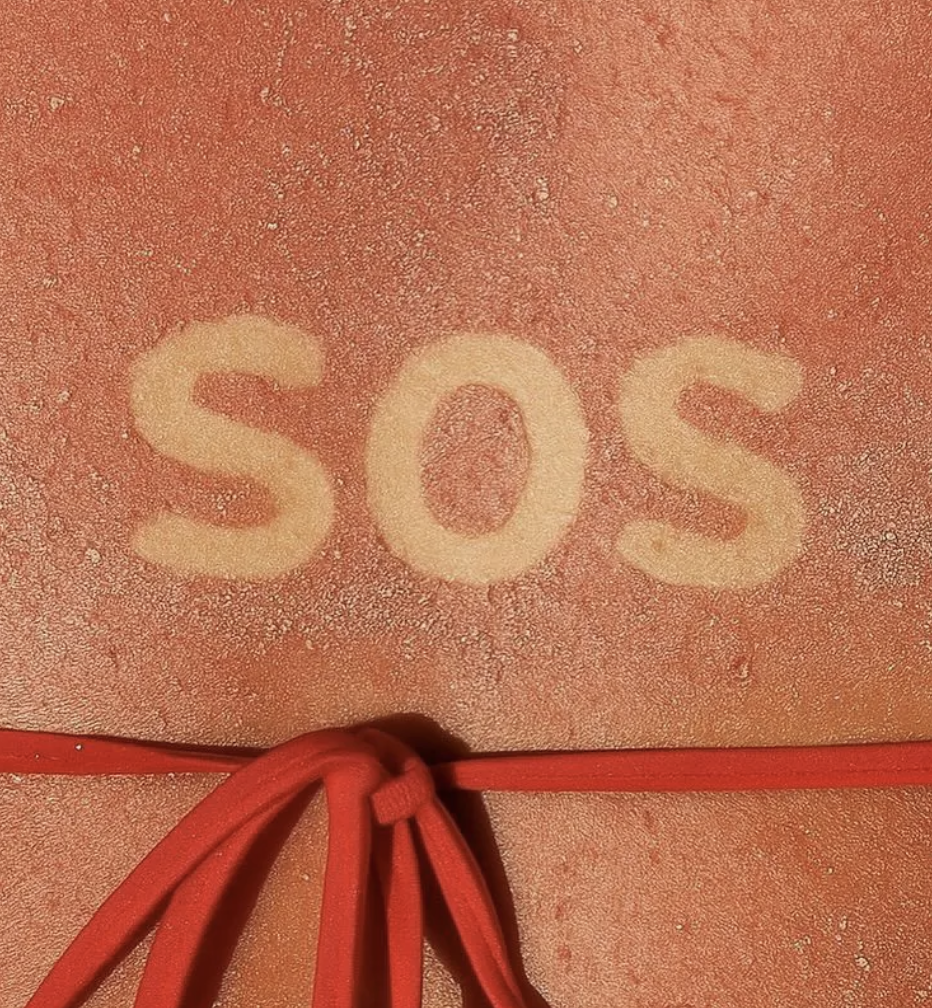
Effetto “sunkissed” o scottatura?
Sappiamo tutto sulla protezione solare. E allora perché ci scottiamo ancora?
C’è stato un periodo in cui la protezione solare era quasi vista come un ostacolo. L’obiettivo era abbronzarsi il più in fretta possibile e, per riuscirci, c’era chi usava oli abbronzanti, chi una semplice protezione 4 e chi si affidava a rimedi fatti in casa. Uno dei più famosi? La miscela di birra e olio d’oliva (o olio Johnson’s Baby), che negli anni ’80 e ’90 circolava come “acceleratore” dell’abbronzatura. In realtà non accelerava altro che il rischio di ustionarsi.
Oggi lo scenario è completamente diverso. Probabilmente è uno dei temi beauty su cui siamo più informati. Sappiamo cos’è l’SPF, controlliamo l’indice UV prima di esporci al sole, compriamo creme 50+, stick per il contorno occhi e spray per i capelli. Sappiamo che i raggi UV attraversano anche le nuvole, che il sole accelera l’invecchiamento della pelle e che una scottatura non è soltanto un fastidio passeggero. I social consigliano di applicarla tutto l’anno e i dermatologi ci ricordano di riapplicarla ogni due ore.
Eppure ogni estate succede la stessa cosa: ci scottiamo.
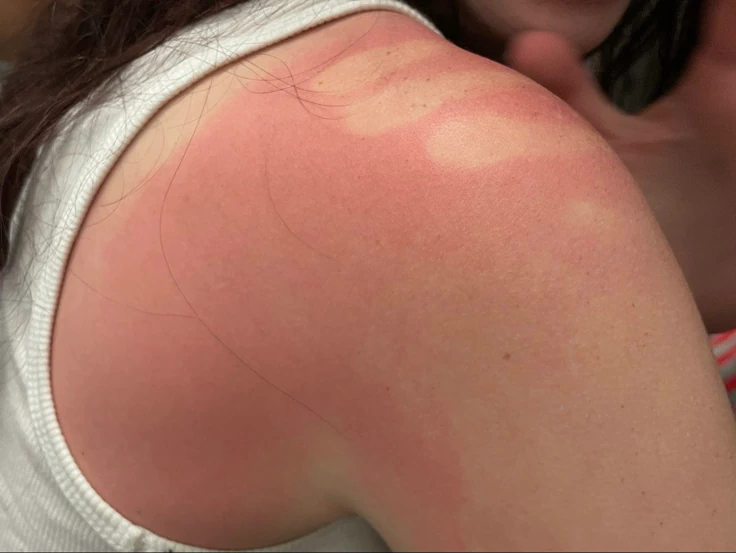
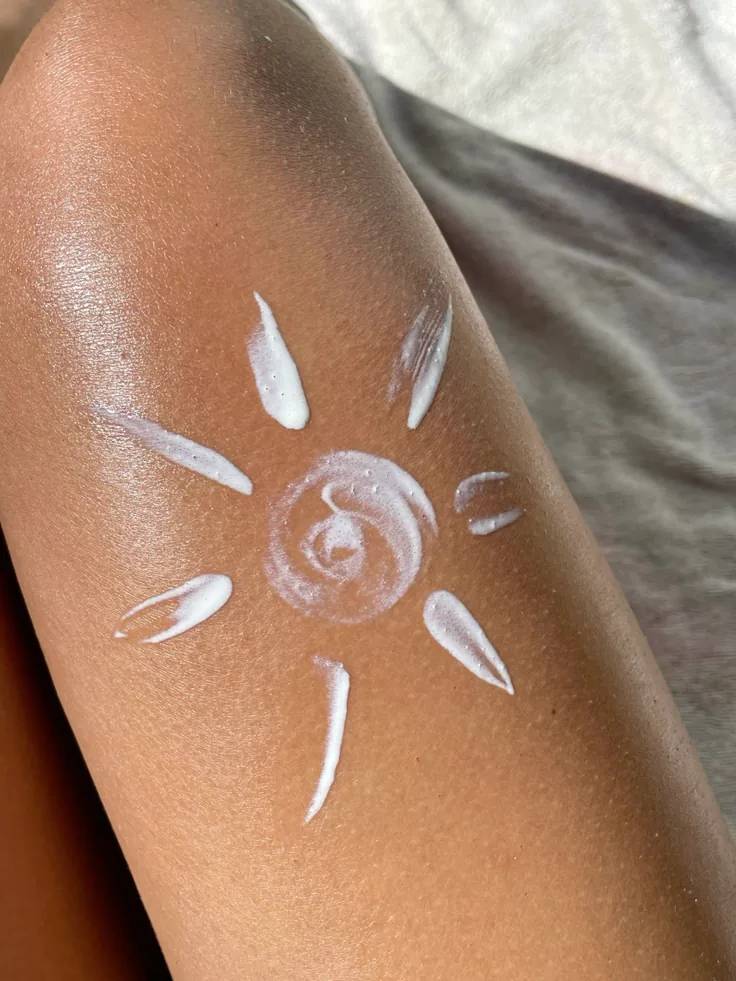
La domanda, quindi, non è se siamo più informati rispetto a trent’anni fa. Lo siamo eccome. La domanda vera è: perché tutte queste informazioni non bastano?
La risposta è semplice: sapere una cosa non significa necessariamente applicarla nel modo corretto.
Il primo errore è credere che la protezione indicata sulla confezione sia una garanzia per l’intera giornata. In realtà la crema solare non funziona come uno scudo permanente: il sudore, i bagni ripetuti e perfino l’asciugamano ne riducono progressivamente l’efficacia.
C’è poi un aspetto che spesso passa inosservato: la crema solare ha una scadenza. Una confezione aperta dalla stagione precedente, lasciata per giorni sotto il sole o in macchina, potrebbe non offrire più la protezione dichiarata. Non significa che una SPF 50 si trasformi matematicamente in una 30, ma che la sua efficacia può diminuire se il prodotto è deteriorato o conservato male. Come capire se è ancora valida? Oltre a controllare il simbolo sul retro del vasetto (il PAO), basta osservare la consistenza, il colore e l’odore. Qualsiasi anomalia significa che i filtri si sono ormai degradati.
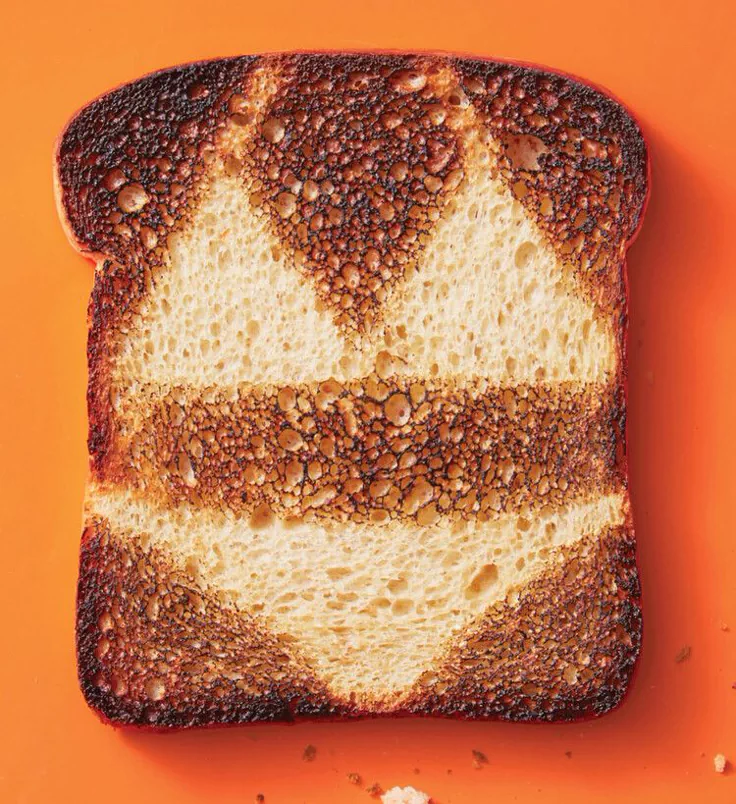
Un altro equivoco riguarda l’acqua. Molti associano il bagno a un momento di “pausa” dal sole, quando in realtà acqua e sabbia riflettono parte dei raggi UV (circa 10-25%) aumentandone l’effetto. Significa che anche se sei a mollo o sotto l’ombrellone, ricevi raggi da sotto oltre che da sopra. Se poi la crema viene rimossa dall’acqua o dall’asciugamano, il rischio di scottarsi cresce ulteriormente.
Senza contare che nessuna crema è davvero waterproof! La dicitura “water resistant” significa semplicemente che la crema conserva circa il 50% della protezione dopo il bagno.
Infine c’è la variabile che tutti conosciamo ma che continuiamo a ignorare: gli orari. Restare sotto il sole nelle ore centrali della giornata non accelera l’abbronzatura quanto immaginiamo, aumenta soltanto la quantità di danni inflitti alla pelle.
Sfatiamo un mito: “prima mi scotto, poi mi abbronzo”. No, non funziona proprio così.
Lo dico perché ci sono cascata anch’io. Crema messa, sì. Riapplicata? Certo, ma molto meno di quanto avrei dovuto.
Il risultato è stato una settimana passata a convivere con una pelle che bruciava e si spellava, ricordandomi ogni volta che indossavo una maglietta che tra sapere una cosa e farla davvero c’è una bella differenza.
Per non parlare del finale: nessun colorito dorato a consolarmi con un “vabbè dai, ne è valsa la pena”, ma un antiestetico effetto “dalmata” a macchie, prima di tornare pallida quasi come prima. In pratica la mia pelle ha deciso di fare la muta come i serpenti per eliminare le cellule che ho bruciato. Purtroppo, insieme a loro se ne va anche tutto il pigmento superficiale, lasciando chiazze più chiare. Ma non solo, la pelle rimane più sensibile e necessita di idratazione costante per favorire il recupero della barriera cutanea.
La scottatura è un danno al DNA delle cellule cutanee. L’abbronzatura, al contrario, è una risposta difensiva della pelle. La melanina, infatti, viene prodotta dai melanociti per proteggere il nucleo delle cellule dai danni dei raggi UV.
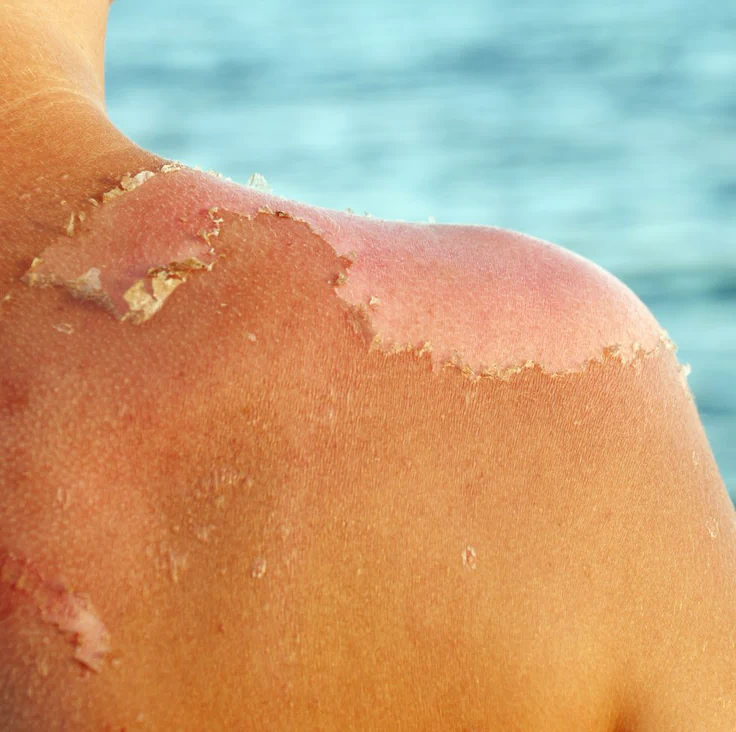
La vera lezione da imparare.
Forse il problema è proprio questo. La protezione solare deve diventare un’abitudine fatta di piccoli accorgimenti.
La lezione non è quella, un po’ scontata, di “mettere la crema”. Quella la conosciamo già.
La vera differenza sta in tutto ciò che segue: usarne la giusta quantità, riapplicarla spesso senza dimenticare alcune zone, controllarne la scadenza e concedersi qualche pausa all’ombra.
Sono dettagli che sembrano trascurabili, almeno finché non ci si ritrova con la pelle traumatizzata.
Anche perché la nostra pelle archivia tutti questi traumi: li ritroveremo un domani sotto forma di macchie, nuovi nei e invecchiamento precoce.
Perciò, a nostro malincuore, dobbiamo convincerci che è inutile cercare di ottenere in un pomeriggio il colorito di un’intera estate. L’abbronzatura va costruita mattone dopo mattone, con pazienza. Voler fare tutto subito significa solo rischiare di far crollare l’opera sul più bello, mettendo anche a rischio la salute della pelle.
Foto: Pinterest