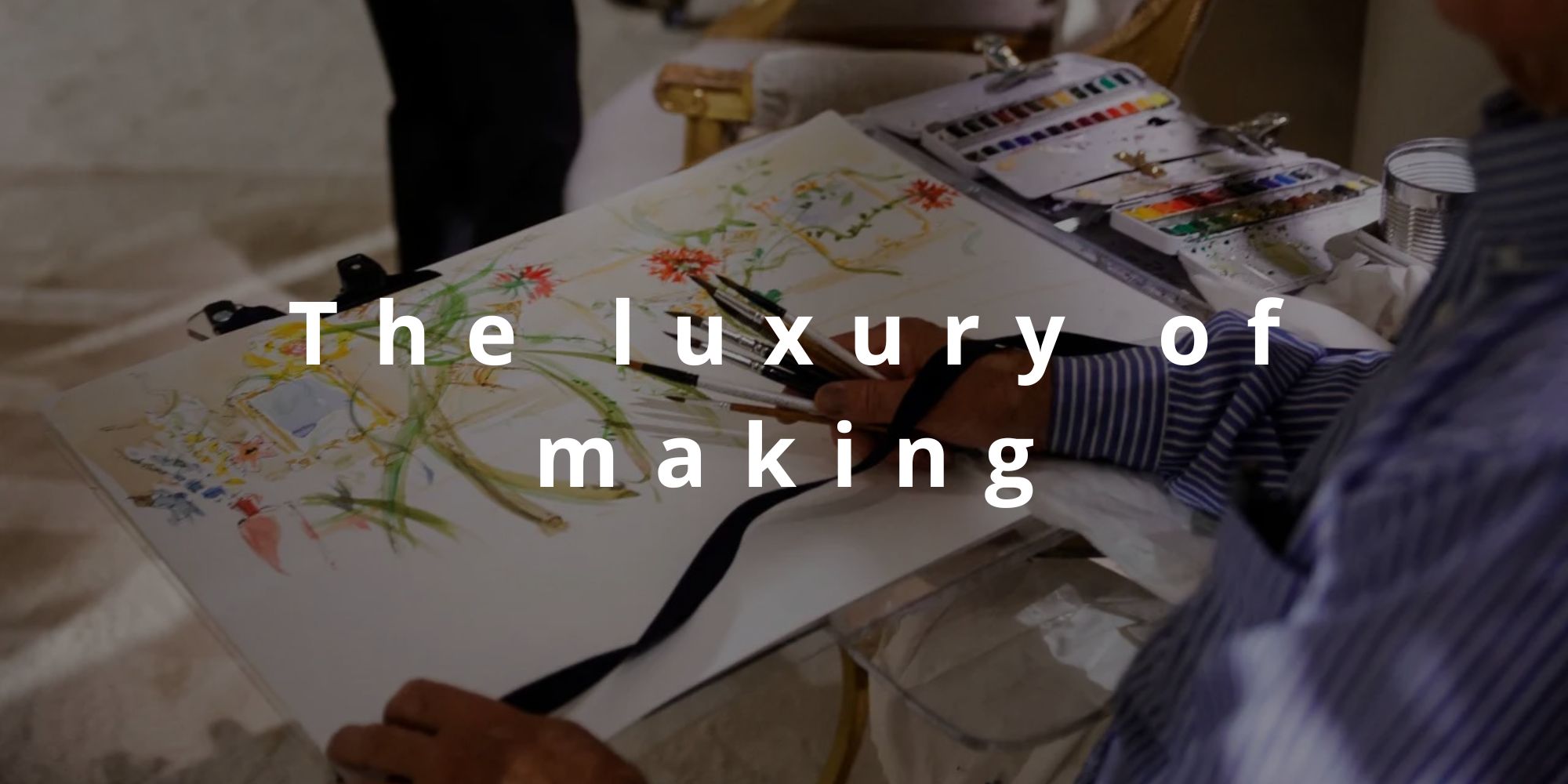
Let’s make a little recap. Not too long ago, we were criticizing some of the world’s most important fashion brands for supposedly using AI to create their advertising campaigns instead of working with real people.
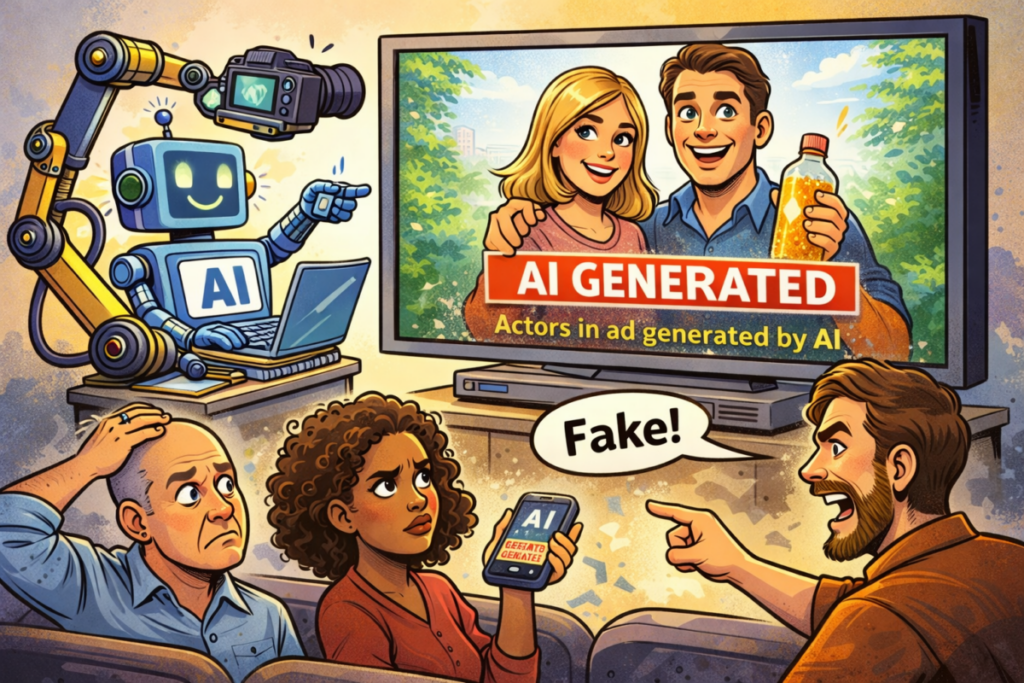
Fast-forward to today and AI-generated content is everywhere: on TV, on the radio, on posters and billboards around the city. It almost feels like the opposite of what we were asking for just a few months ago. It’s becoming increasingly rare to come across a commercial that feels genuinely handcrafted, made with real models, artists and creative teams.
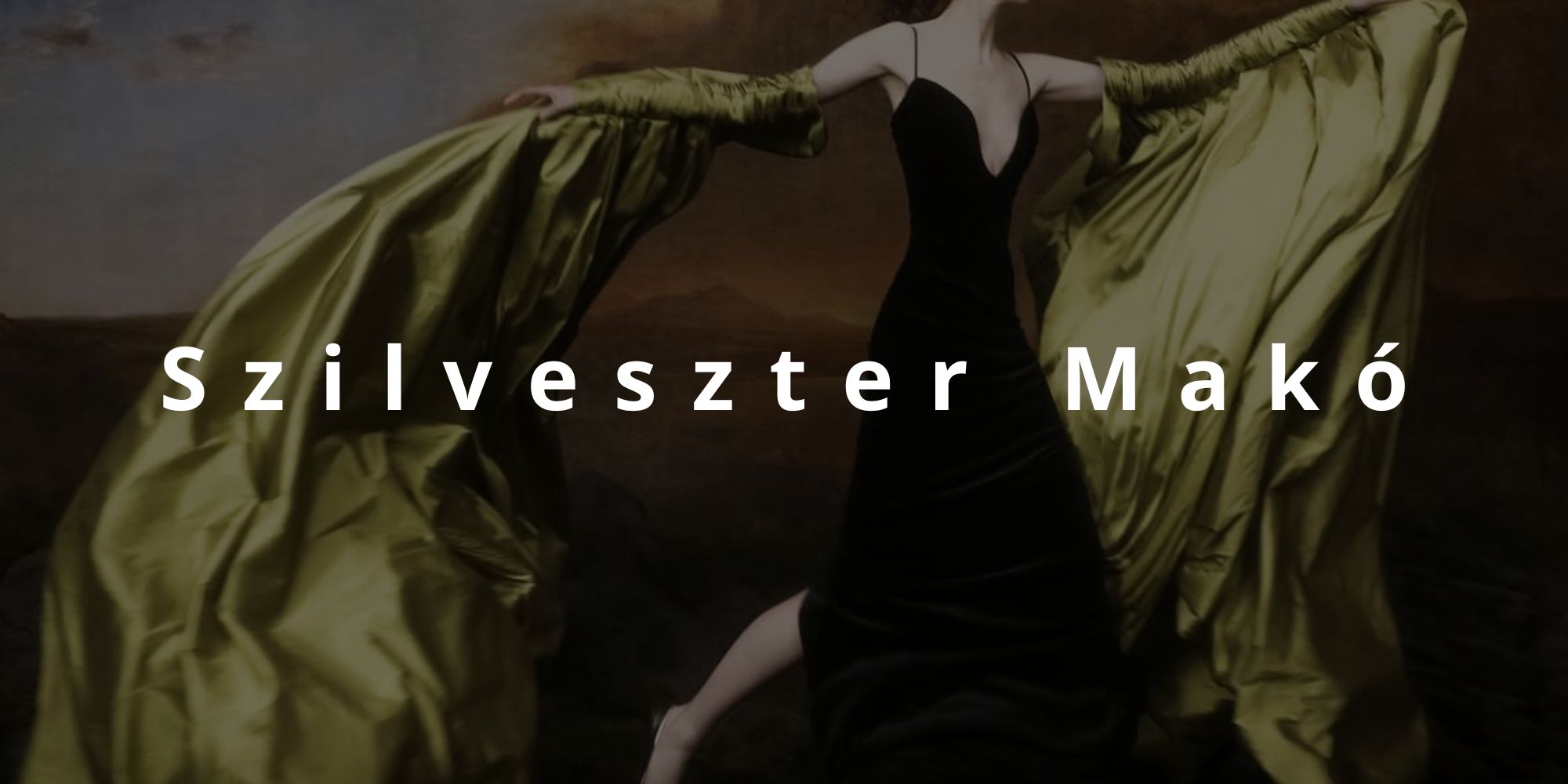
So, when I came across all the criticism surrounding Szilveszter Makó’s work, which involves an enormous amount of time and effort behind every box, every set and every carefully curated detail, I found myself a little confused. We used to criticize brands for choosing AI instead of actually putting people to work. And now we’re criticizing the work that people have actually put their hands into?
Perhaps we’re expecting humans to become machines themselves, delivering perfect results in the shortest amount of time possible, almost as a substitute for AI.
Let me rephrase that: we want AI-generated results, but without using AI. We want people to handcraft, create and work toward those same results, but we’re also too impatient and too difficult to satisfy to actually appreciate the time and effort behind them. I don’t know about you, but that sounds a little contradictory to me.
We are starting to see the consequences of this race for the best possible result with the least possible effort. Because, interestingly enough, while AI-generated imagery is becoming increasingly accessible, some of the biggest names in luxury fashion seem to be looking in the opposite direction.
Illustrations, hand-drawn animations, live paintings and elaborate set designs are making their way back into luxury fashion. And not simply as nostalgic references or aesthetic choices.
Almost anything can now be created with AI in a matter of seconds.
More importantly, the tools are accessible to practically everyone, meaning that almost anyone can obtain a similar final result. So where does that leave the exclusivity we’ve always associated with luxury? Where is the special, unique dream? Where is the feeling of looking at a Maison and wanting to get lost in its world, knowing that it could never quite be replicated?
Luxury has always made us believe that its value comes from the people behind it: those who work more, care more, master a technique and dedicate years to something that is difficult to reproduce. But when something starts feeling so easily reproducible, there is clearly a problem.
And the industry has already started looking for an answer.
For Summer 2026, Hermès worked with illustrator Sarah Martinon on a new series of hand-drawn imagery for its website.
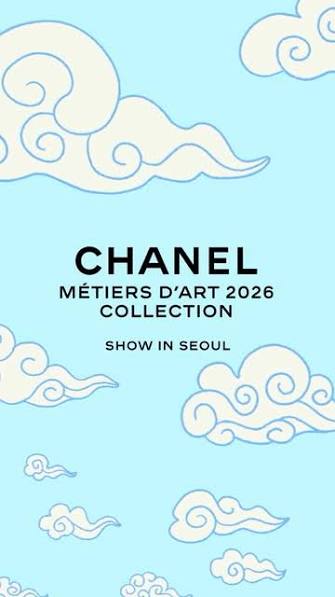
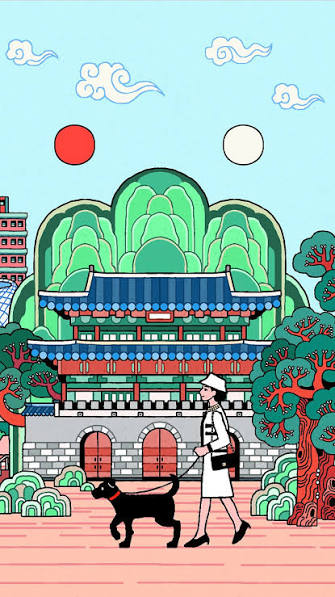
Chanel, meanwhile, commissioned illustrator Jisu Choi to create an animated portrait of Seoul for its Métiers d’art presentation in the city.
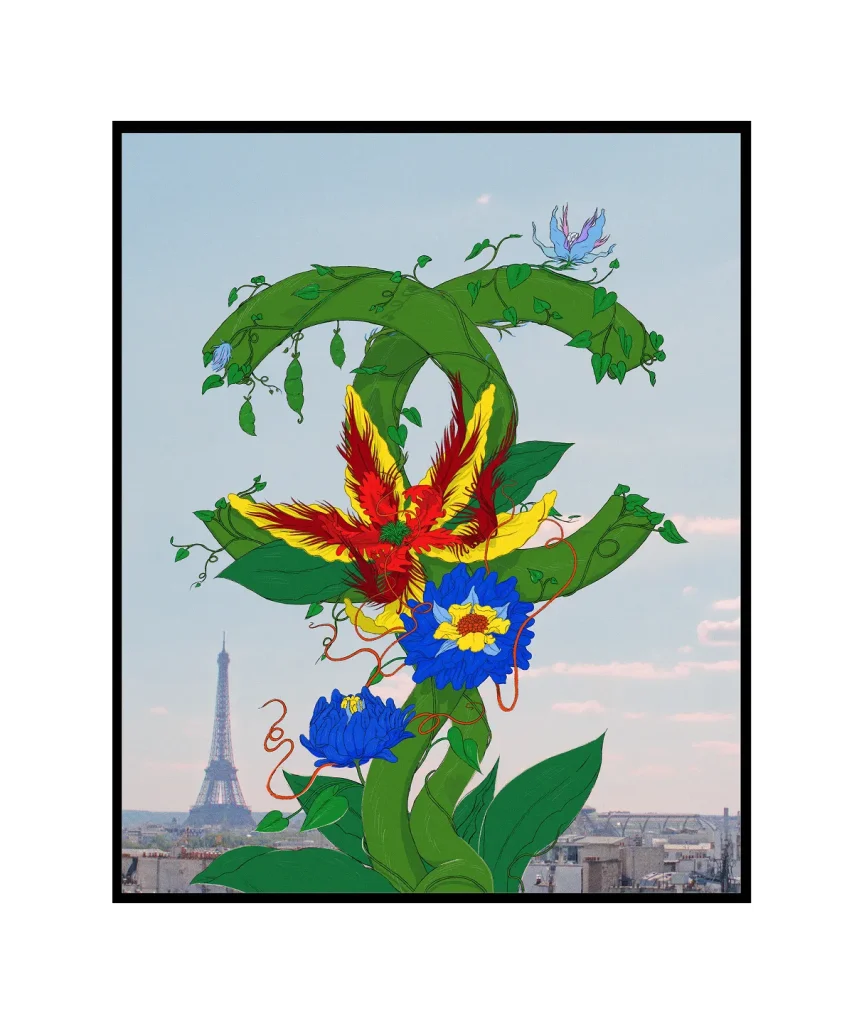
For its Haute Couture Fall/Winter 2026 collection, the House also created an animated teaser inspired by a story from Coco Chanel herself.
And if that wasn’t enough, artist Joël Blanc captured the collection through live watercolor paintings.
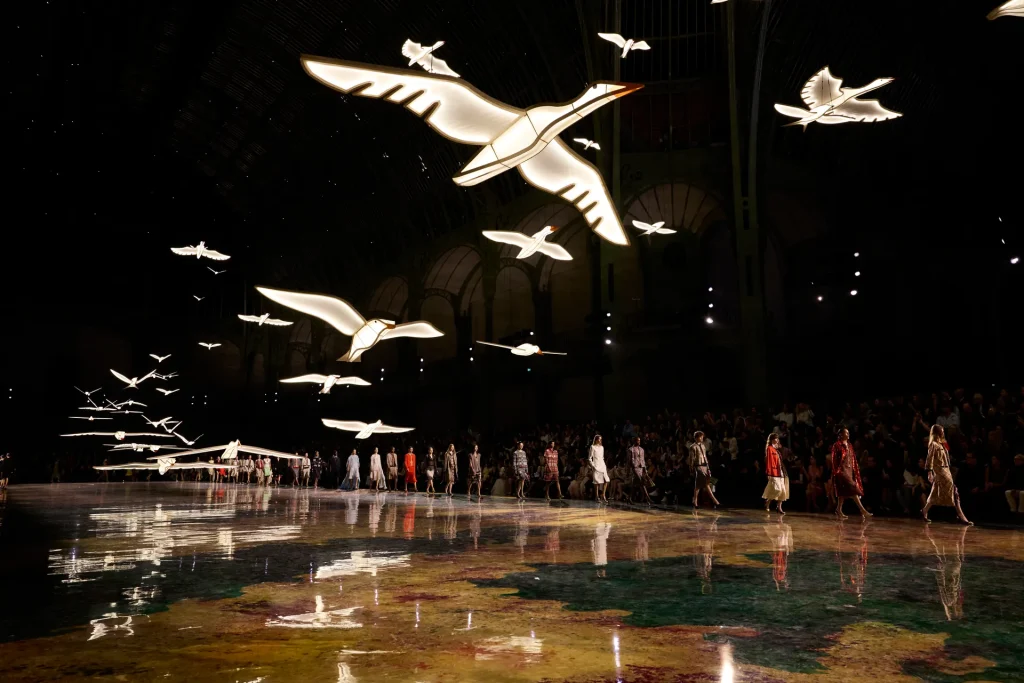
For Spring/Summer 2027, creative director Matthieu Blazy collaborated with scenographer Richard Peduzzi on an immersive set featuring handcrafted seagulls suspended above a reflective, water-like floor.
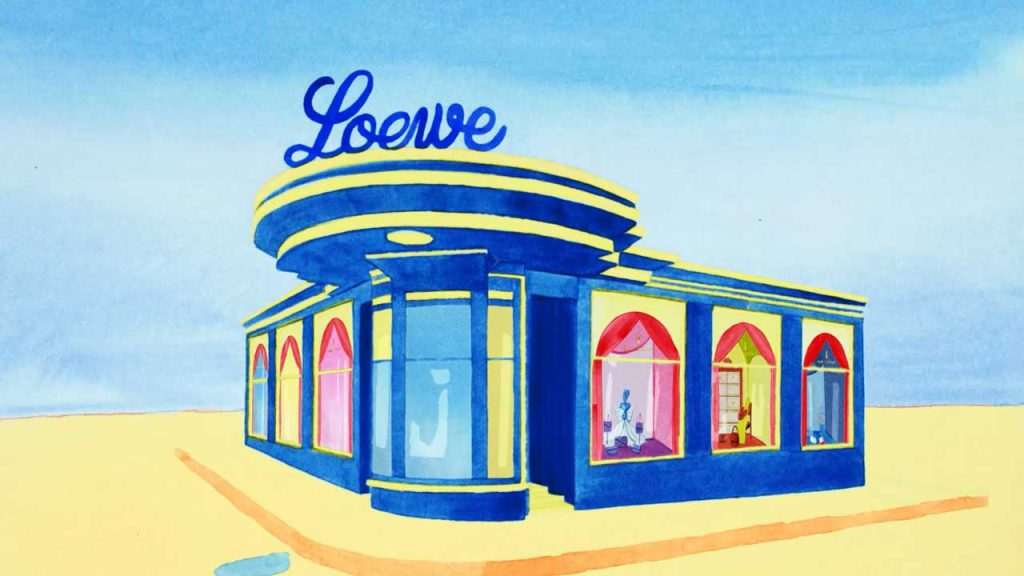
Loewe took things even further for its 180th anniversary in 2026, creating a film made up of more than 2,000 hand-painted frames, in collaboration with illustrator Joanna Blémont and a team of painters.
And it doesn’t stop there. For the holiday season, the brand is also preparing a collaboration with Disney’s Tim Burton’s “The Nightmare Before Christmas”. A rather fitting collaboration for a brand whose identity has always been so closely connected to the art of making things by hand.
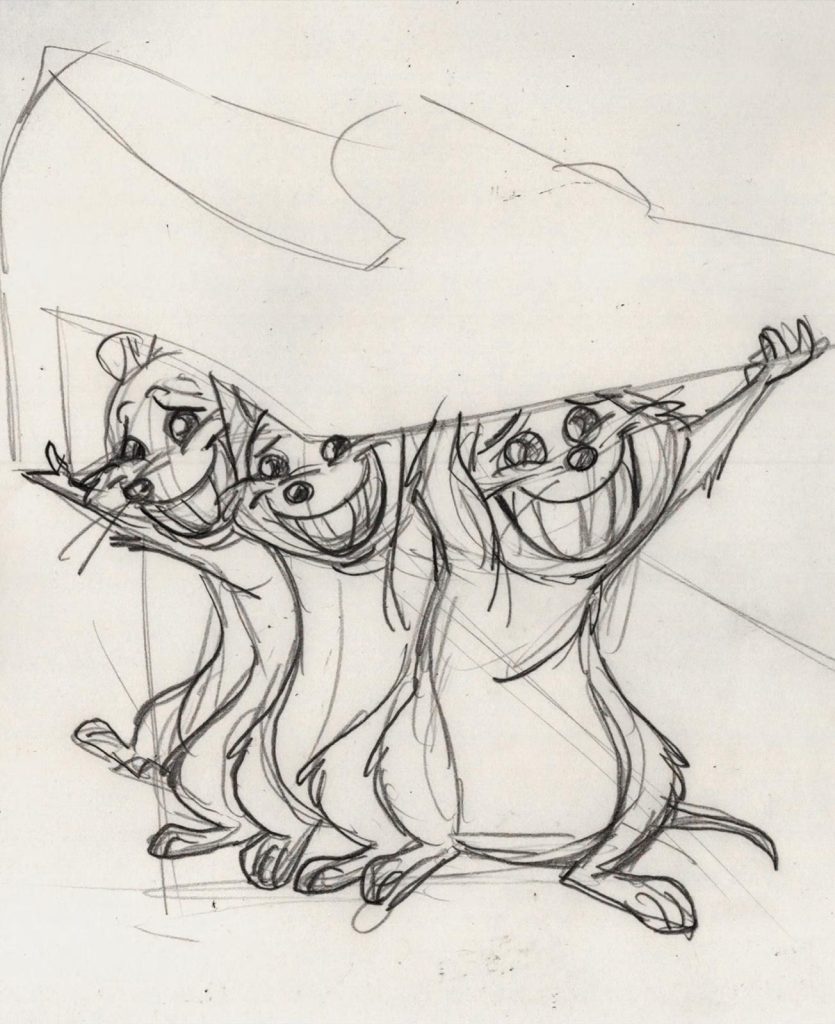
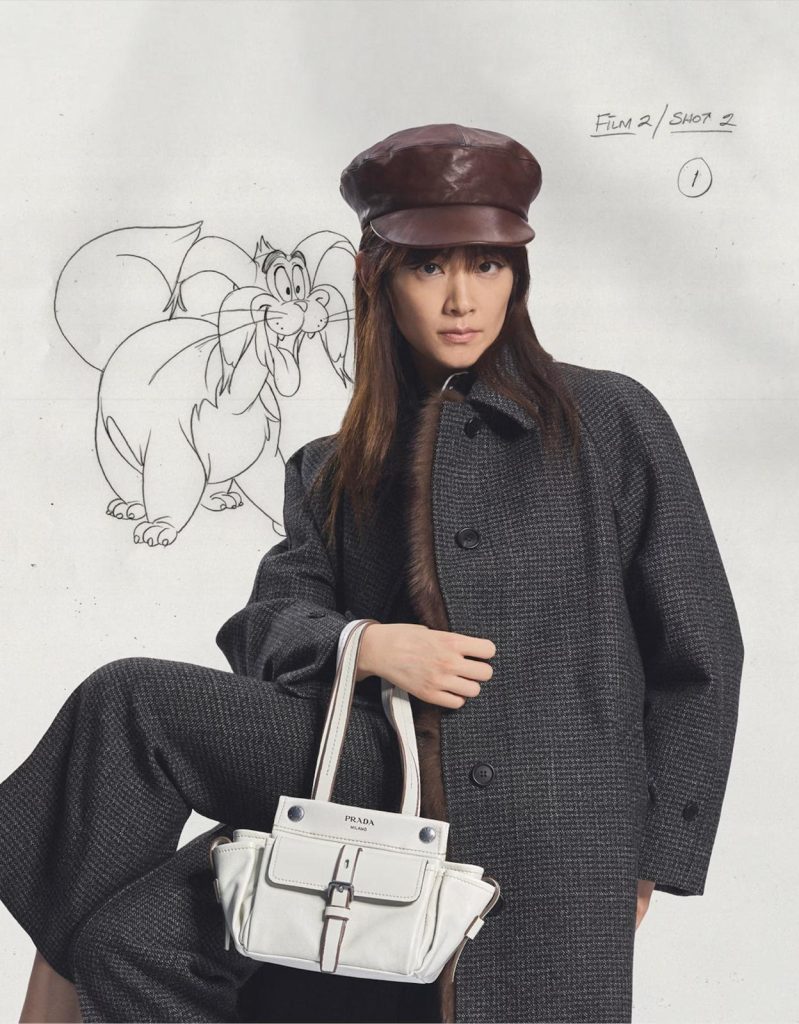
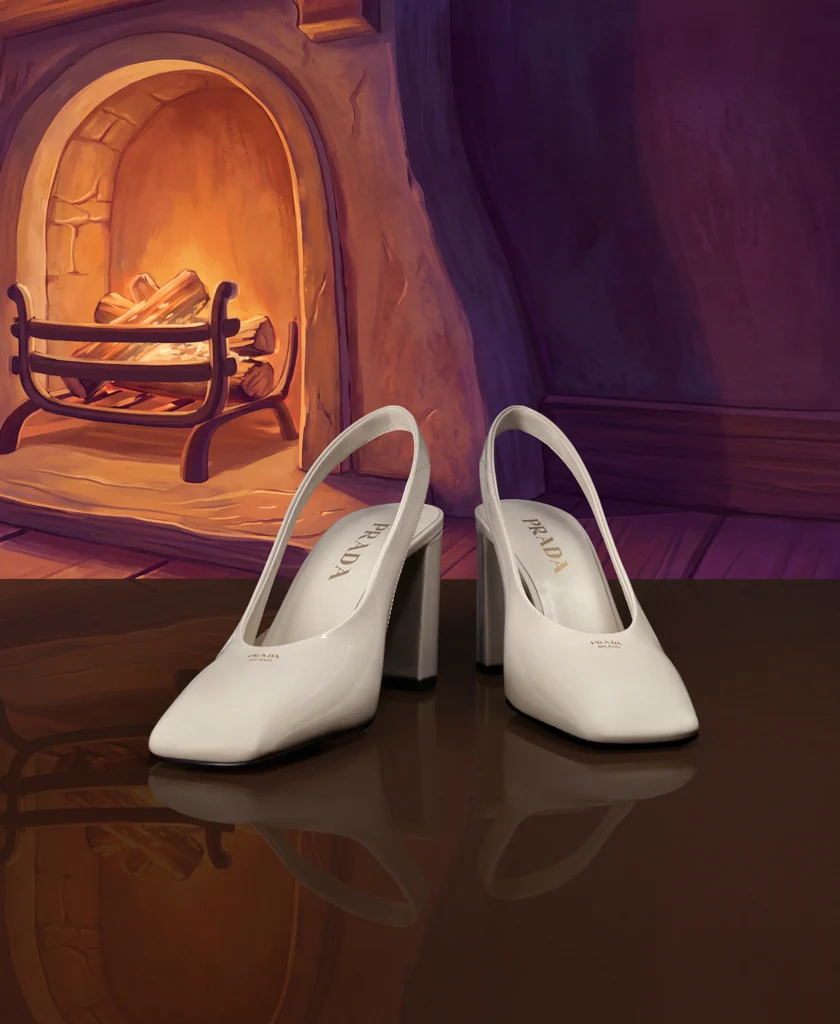
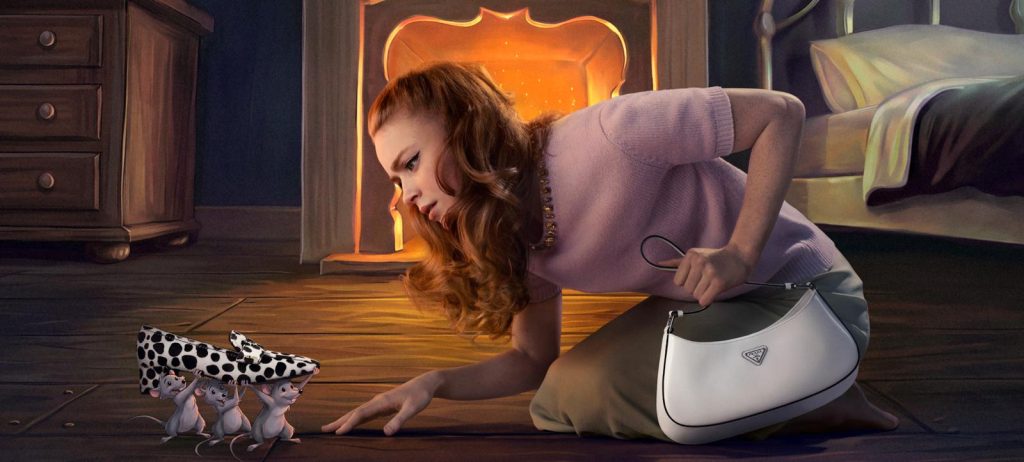
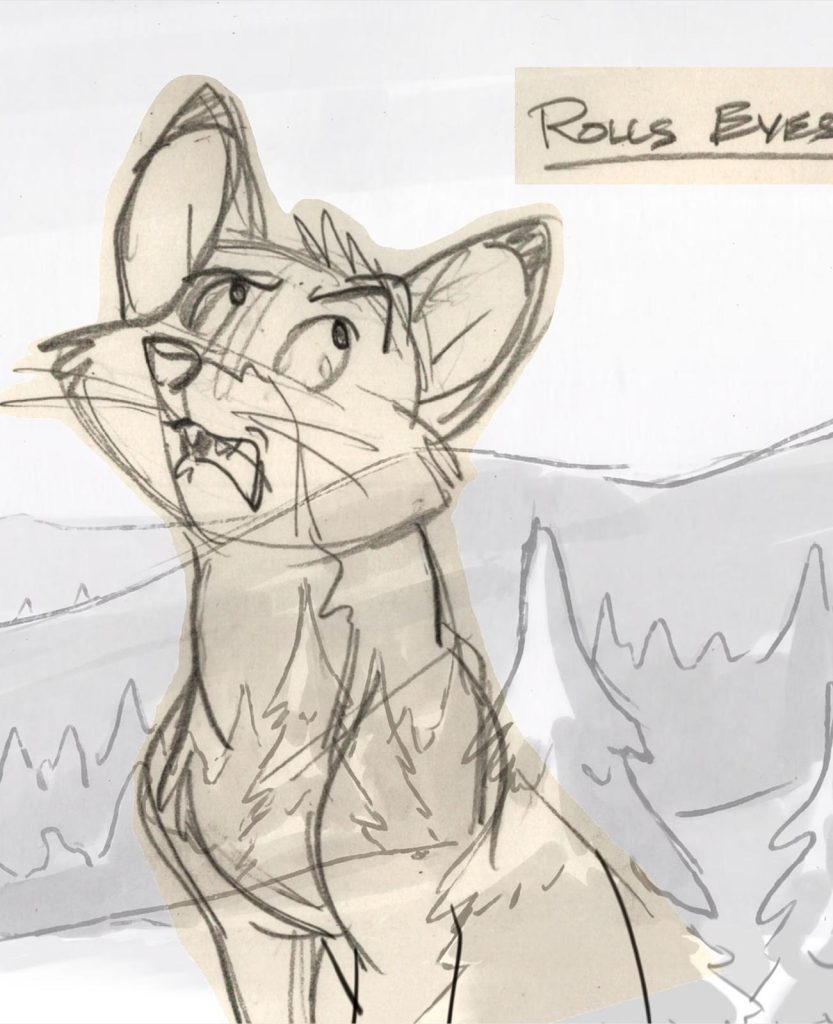
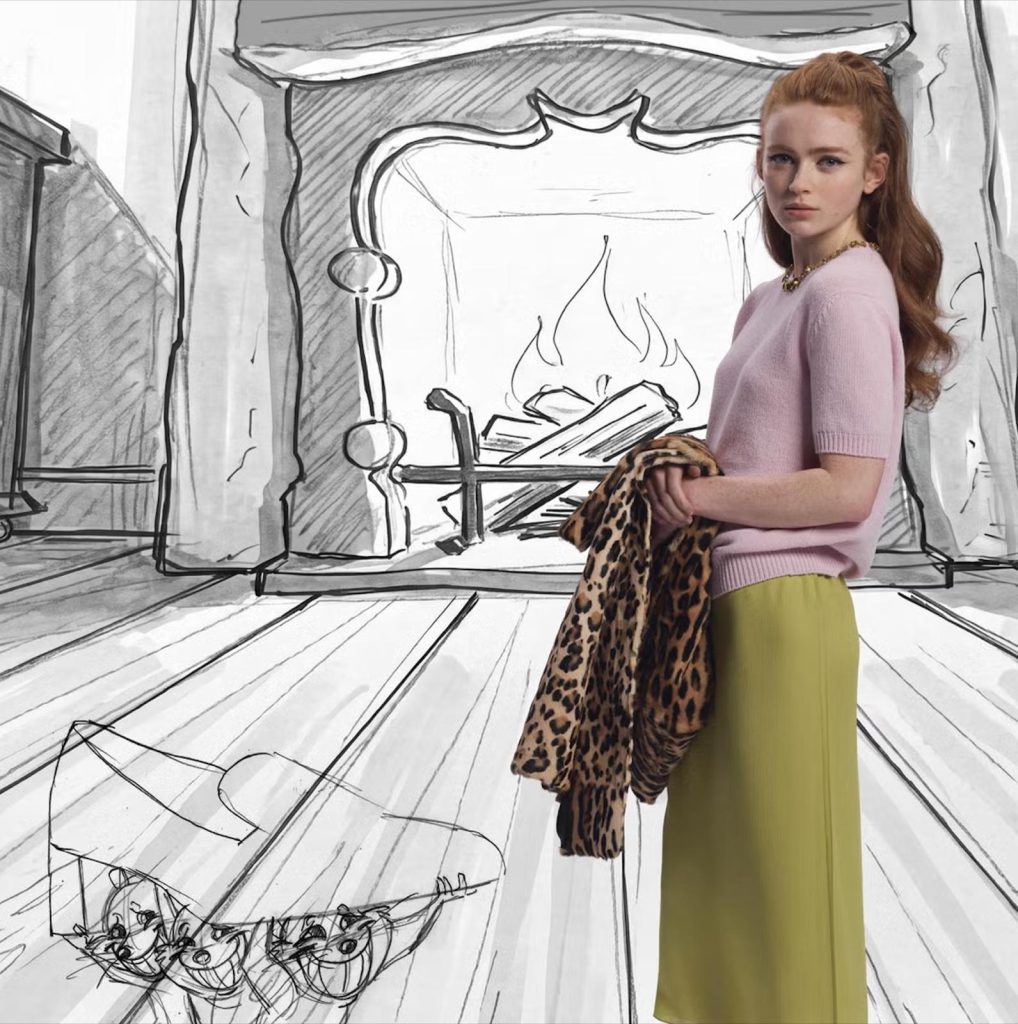
Prada’s latest campaign “Drawing Prada: Animated by Hand” also celebrates the irreplaceability of human creativity, featuring hand-drawn illustrations by John Pomeroy, the legendary Disney animator.
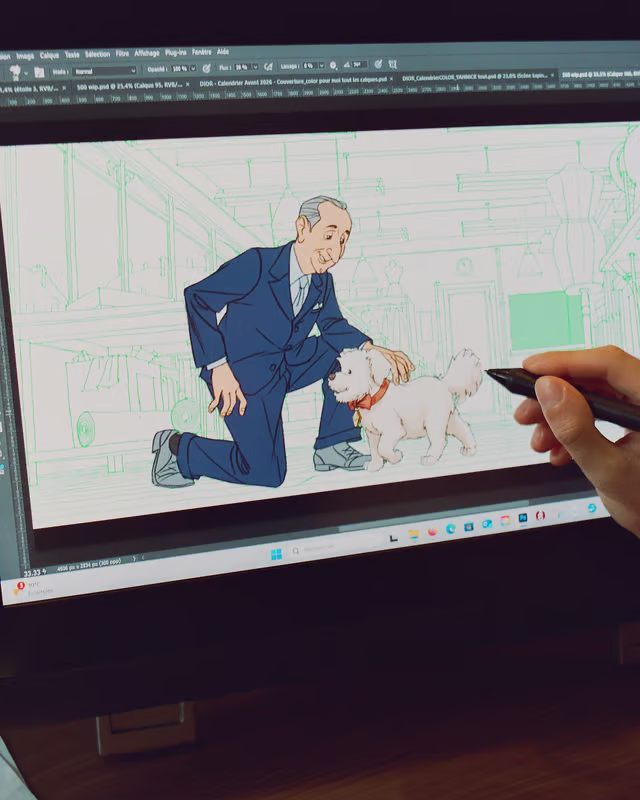
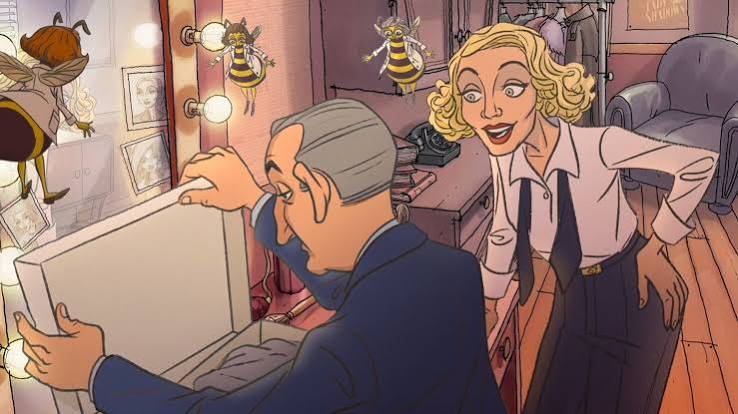
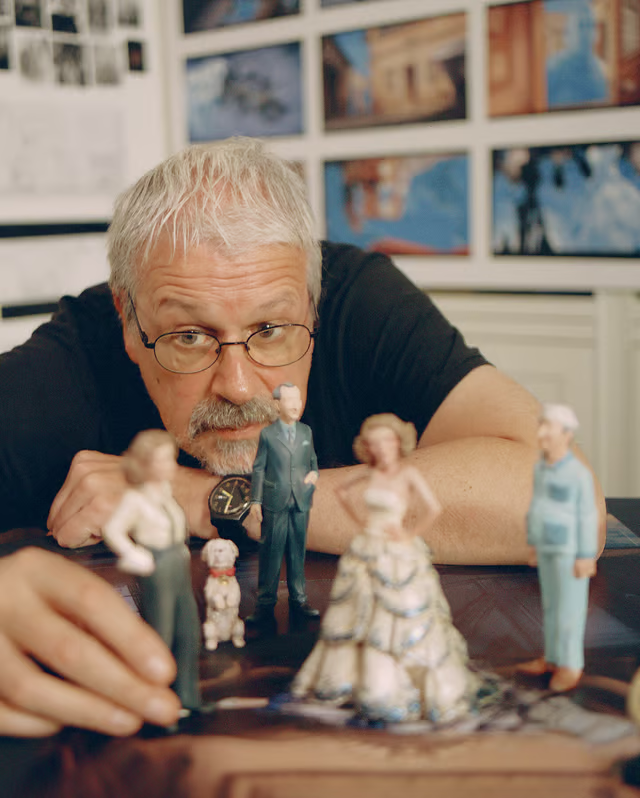
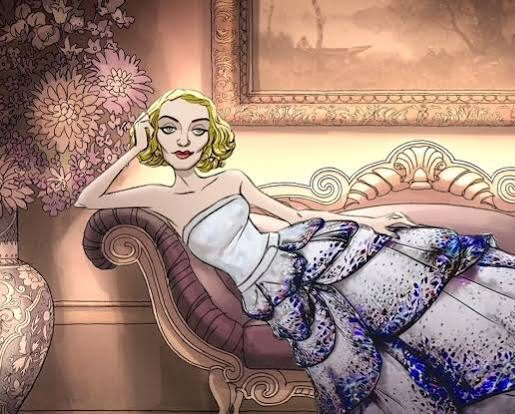
Dior, on the other hand, has introduced “Christian Dior’s Night in Color”, a new animated short film directed by French filmmaker Sylvain Chomet.
Or at least, that’s how the story was initially presented.
Dior described the project as the result of months of meticulous hand-drawn animation. Chomet himself explained that the production used techniques dating back to the 1940s, with characters cut out, animated separately and assembled against painted backgrounds. It seemed like the perfect example of the renewed appreciation for time and the human hand.
However, almost immediately after its release, the film found itself at the center of an unexpected controversy. Viewers began questioning whether generative AI might actually have been used in its production. What initially looked like an innocent celebration of traditional craftsmanship suddenly became another AI debate.
And isn’t that particularly ironic? A campaign presented as a celebration of human creativity, released at a time when luxury brands are trying to distance themselves from AI, is now being questioned for potentially using it.
Of course, accusations are not proof, and we cannot simply conclude that the film was generated by AI because of a few suspicious details. But it raises another question: have we reached a point where even handmade work is no longer trusted?
The fact that someone has actually made something, rather than simply generated it, changes the way we look at the final result. Effort starts to feel luxurious again.
To create something that nowadays feels new and exciting, perhaps we have to go back in time, to illustrations, paintings, analog techniques and traditional animation.
When everyone has access to the same tools and can produce something visually appealing in seconds, the value might no longer lie in the perfection of the final image, but in the process and the people behind it.
It almost seems as if some of the biggest names in fashion have grown a little tired of AI. But will society eventually get bored of handcrafted things too? Will we start looking for something else as soon as handmade becomes the new trend, the new aesthetic?
After all, if everything can become a trend, even the rejection of trends, what will make something truly special?
Il lusso delle cose fatte a mano
Non molto tempo fa, criticavamo alcuni dei più importanti brand di moda per aver presumibilmente utilizzato l’AI nelle loro campagne pubblicitarie, anziché coinvolgere persone reali.
Oggi invece i contenuti generati dall’intelligenza artificiale sono ovunque: in televisione, alla radio, su poster e cartelloni pubblicitari per le strade delle nostre città. Sembra quasi l’esatto opposto di ciò che chiedevamo fino a pochi mesi fa. È sempre più raro imbattersi in uno spot che dia davvero l’impressione di essere stato realizzato a mano, con modelle, artisti e team creativi in carne e ossa.
Così, quando mi sono imbattuta in tutte le critiche rivolte al lavoro di Szilveszter Makó, dietro al quale ci sono un’enorme quantità di tempo e impegno per realizzare ogni singola box, ogni allestimento e ogni dettaglio accuratamente studiato, mi sono ritrovata un po’ confusa.
Prima criticavamo i brand che sceglievano l’AI al posto di dare concretamente lavoro alle persone. E adesso critichiamo il lavoro di chi ha effettivamente messo le mani in pasta?
Forse ci aspettiamo che siano gli esseri umani stessi a trasformarsi in macchine, capaci di garantire risultati perfetti nel minor tempo possibile, come se dovessero sostituire l’AI.
Provo a dirlo diversamente: vogliamo risultati generati dall’intelligenza artificiale, ma senza utilizzare l’intelligenza artificiale. Vogliamo che siano le persone a realizzare, creare e lavorare per ottenere quegli stessi risultati, ma allo stesso tempo siamo troppo impazienti e difficili da accontentare per riuscire ad apprezzare il tempo e l’impegno che ci sono dietro.
Non so voi, ma a me sembra una bella contraddizione.
Stiamo iniziando a vedere le conseguenze di questa corsa al miglior risultato possibile con il minimo sforzo. Perché, curiosamente, mentre le immagini generate dall’AI diventano sempre più accessibili, alcuni dei più grandi nomi della moda sembrano muoversi nella direzione opposta.
Illustrazioni, animazioni disegnate a mano, dipinti realizzati dal vivo e scenografie elaborate stanno tornando a farsi spazio nel mondo del lusso. E non si tratta semplicemente di richiami nostalgici o di scelte estetiche.
Oggi, con l’AI, è possibile creare praticamente qualsiasi cosa in pochi secondi.
Ma soprattutto, gli strumenti sono accessibili praticamente a tutti, il che significa che chiunque può ottenere un risultato finale simile. E allora che fine fa l’esclusività che abbiamo sempre associato al lusso? Dov’è quel sogno speciale e unico? Dov’è la sensazione di trovarsi davanti a una Maison e voler perdersi nel suo mondo, sapendo che non potrà mai essere replicato?
Il lusso ci ha sempre portati a credere che il suo valore risieda nelle persone che ci sono dietro: in chi lavora di più, presta maggiore attenzione, padroneggia una tecnica e dedica anni a qualcosa di difficile da riprodurre. Ma quando qualcosa inizia a sembrare così facilmente replicabile, è evidente che ci sia un problema.
E i brand hanno già iniziato a cercare una risposta.
Per la stagione Summer 2026, Hermès ha collaborato con l’illustratrice Sarah Martinon a una nuova serie di immagini disegnate a mano per il proprio sito web.
Chanel, invece, ha commissionato all’illustratrice Jisu Choi un ritratto animato di Seoul in occasione della sua presentazione Métiers d’art nella città.
Per la collezione Haute Couture Fall/Winter 2026, la Maison ha inoltre realizzato un teaser animato ispirato a una storia legata alla stessa Coco Chanel.
E come se non bastasse, l’artista Joël Blanc ha raccontato la collezione attraverso disegni in acquerelli realizzati dal vivo.
Per la Spring/Summer 2027, il direttore creativo Matthieu Blazy ha collaborato con lo scenografo Richard Peduzzi alla realizzazione di un allestimento immersivo, con gabbiani artigianali sospesi a mezz’aria sopra un pavimento riflettente, simile a uno specchio d’acqua.
Loewe si è spinta ancora oltre in occasione del suo 180° anniversario nel 2026, realizzando un film composto da oltre 2.000 fotogrammi dipinti a mano, in collaborazione con l’illustratrice Joanna Blémont e un team di pittori.
E non finisce qui. Per le feste, il brand sta preparando una collaborazione con Disney dedicata a “The Nightmare Before Christmas” di Tim Burton. Una collaborazione piuttosto azzeccata per una Maison la cui identità è da sempre così legata all’arte del fare a mano.
Anche l’ultima campagna di Prada, “Drawing Prada: Animated by Hand”, celebra l’insostituibilità della creatività umana, attraverso le illustrazioni disegnate a mano da John Pomeroy, storico animatore Disney.
Dior, invece, ha presentato “Christian Dior’s Night in Color”, un nuovo cortometraggio animato diretto dal regista francese Sylvain Chomet.
O almeno, così era stata inizialmente raccontata la storia.
Dior ha descritto il progetto come il risultato di mesi di meticolosa animazione disegnata a mano. Lo stesso Chomet ha spiegato che la produzione si è basata su tecniche risalenti agli anni ‘40, con personaggi ritagliati, animati separatamente e poi assemblati su sfondi dipinti. Sembrava l’esempio perfetto di una rinnovata attenzione per il tempo e il lavoro manuale.
Tuttavia, quasi subito dopo la sua uscita, il film si è ritrovato al centro di una controversia inaspettata. Alcuni spettatori hanno iniziato a chiedersi se nella sua realizzazione fosse stata utilizzata l’intelligenza artificiale. Quello che inizialmente sembrava un semplice omaggio all’artigianalità si è trasformato, improvvisamente, nell’ennesimo dibattito sull’AI.
E non è particolarmente ironico? Una campagna presentata come una celebrazione della creatività umana, uscita in un momento in cui i brand del lusso cercano di prendere le distanze dall’intelligenza artificiale, si ritrova ora sotto accusa proprio per un suo possibile utilizzo.
Naturalmente, le accuse non sono prove e non possiamo concludere che il film sia stato generato dall’AI sulla base di alcuni dettagli sospetti. Ma questa controversia solleva un’altra domanda: siamo arrivati al punto in cui non ci fidiamo più nemmeno di un lavoro “artigianale”?
Il fatto che qualcosa sia stato realizzato da una persona, anziché semplicemente generato, cambia il modo in cui guardiamo il risultato finale. L’impegno torna ad avere un valore di lusso.
Per creare qualcosa che oggi ci sembri nuovo ed entusiasmante, forse dobbiamo tornare indietro nel tempo, alle illustrazioni, ai dipinti, alle tecniche analogiche e all’animazione tradizionale.
Quando tutti hanno accesso agli stessi strumenti e possono produrre qualcosa di visivamente accattivante in pochi secondi, il valore potrebbe non risiedere più nella perfezione dell’immagine finale, ma nel processo e nelle persone che ci sono dietro.
Sembra che alcuni dei più grandi nomi della moda si siano un po’ stancati dell’AI. Ma prima o poi la società si stancherà anche delle cose realizzate a mano? Inizieremo a cercare qualcos’altro non appena il fatto a mano diventerà la nuova tendenza, la nuova estetica?
Dopotutto, se tutto può trasformarsi in una tendenza, persino il rifiuto delle tendenze, cosa renderà qualcosa davvero speciale?
Foto: Prada, Chanel, Dior, Loewe, Instagram, Pinterest
Per approfondire:
– Szilveszter Makó.