For as long as I can remember, I’ve had a pretty clear picture of what my future would look like.
While everyone else answered the dreaded question “what do you want to be when you grow up?” with a shrug, I always had an answer ready. I knew what I liked, what I wanted to study, where I wanted to live and the exact kind of life I wanted to build. I was convinced that at some point, everything would fall into place like pieces of a puzzle.
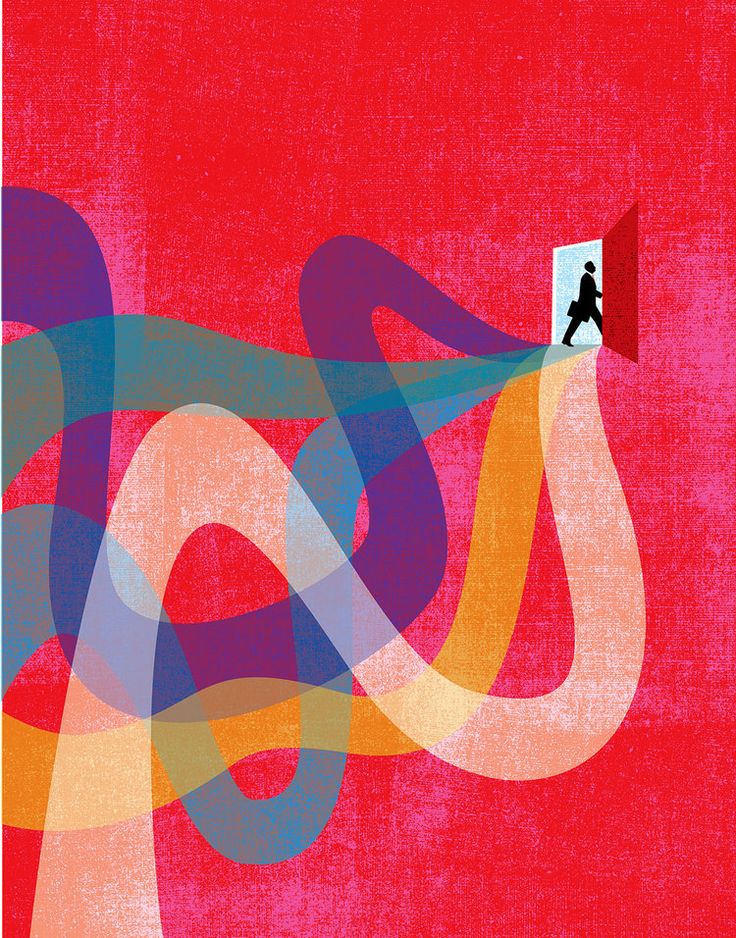
Then, that hypothetical future becomes the present. And strangely enough, that’s the exact moment you realize those pieces might not fit together as smoothly as you’d planned.
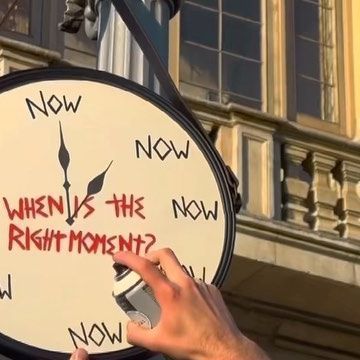
We grew up believing that the choices we make are set in stone. As if choosing one path automatically shuts the door on all the others.
Today, FOMO—that constant fear of missing out or making the wrong decision—follows us here too. Once you finally reach a lifelong goal, you’re hit with a weird kind of anxiety: are we actually living what we want today, or are we just carrying out a plan we imposed on ourselves years ago? Quite ironic, isn’t it? You spend your whole life chasing a dream, only to be terrified of looking back in ten years and wondering “what if I’d chosen a different path?”.
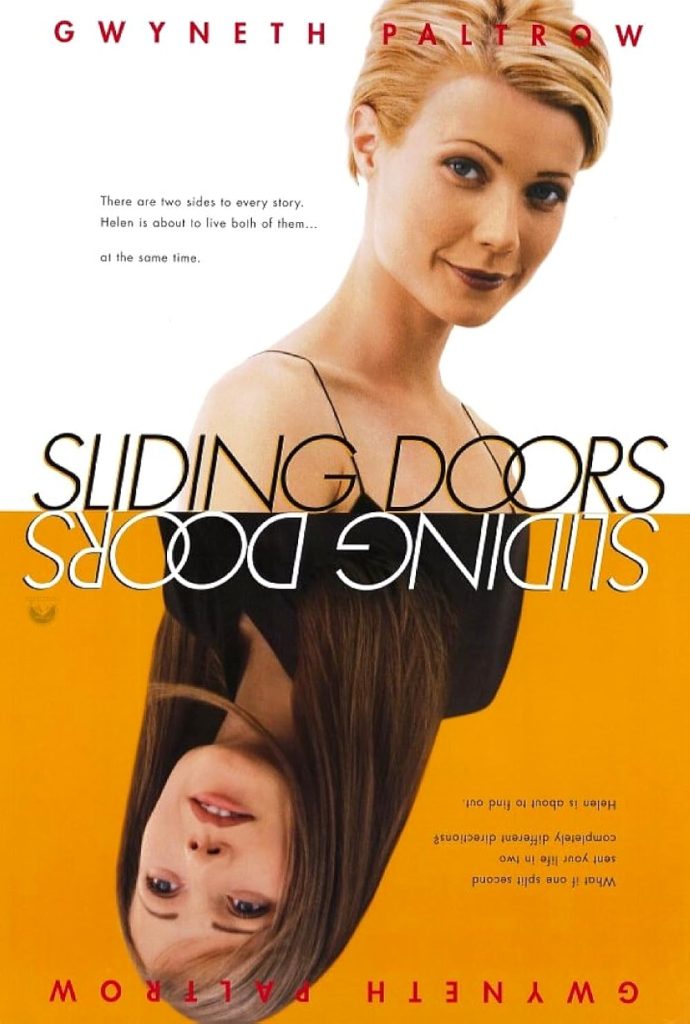
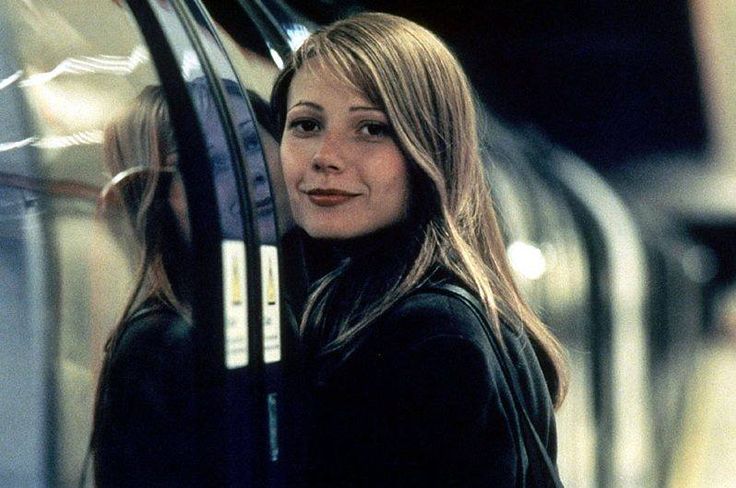
It’s the classic “Sliding Doors” effect: the realization that a single choice, a missed (or caught) train, can open up a completely unexpected path. We get stuck overthinking all the alternative versions of ourselves that might exist on the other side of those sliding doors. But in reality, it’s everyday coincidences and choices that have brought us to where we are right now.
Sometimes, though, it’s not just life’s coincidences that keep us stuck: it’s the weight of our own expectations trapping us in this loop.
We’ve tricked ourselves into thinking we need to have everything figured out.
Yet if you look around, nobody has actually reached a final destination—and honestly, that’s probably the most interesting part of life.
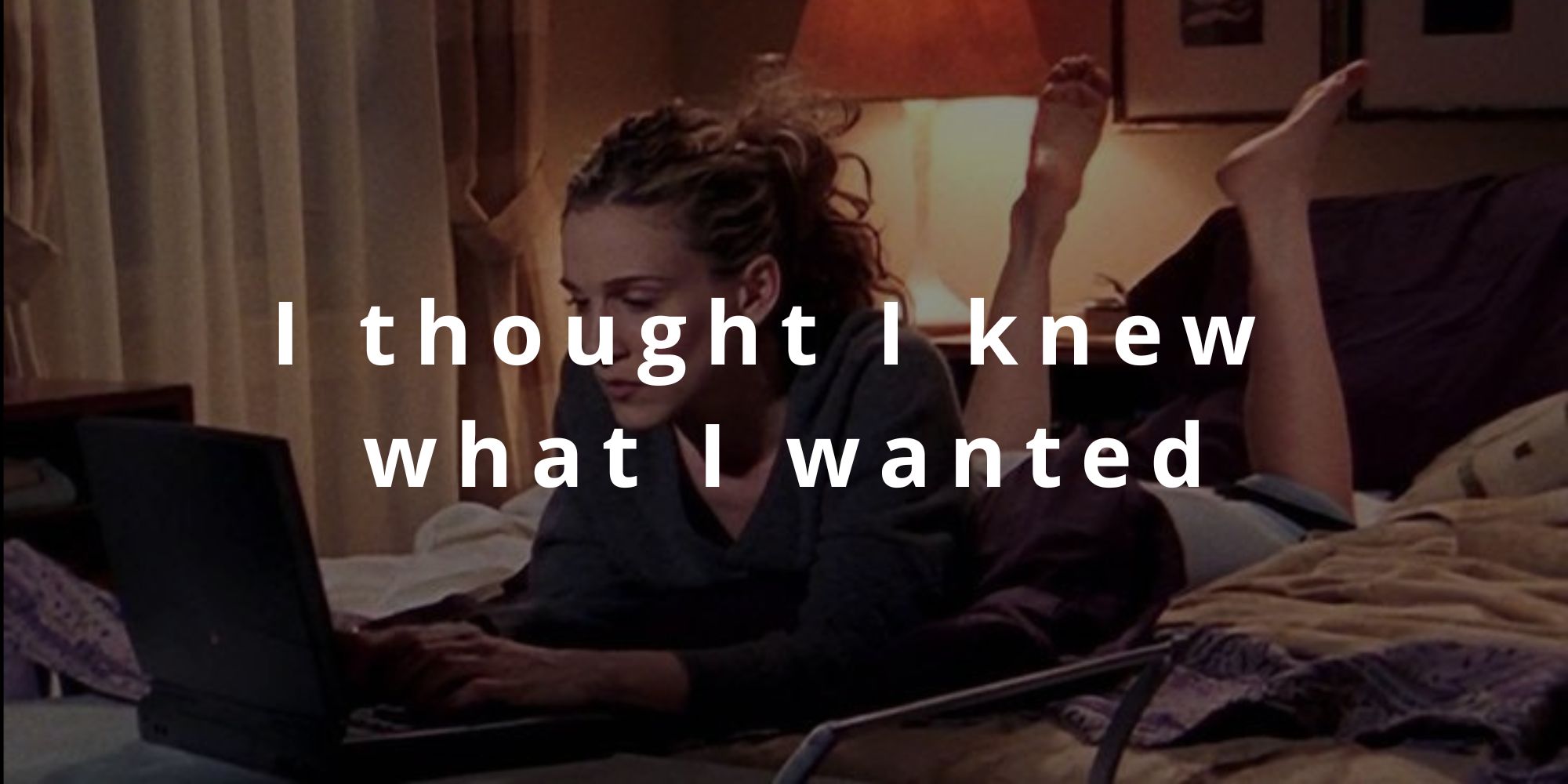
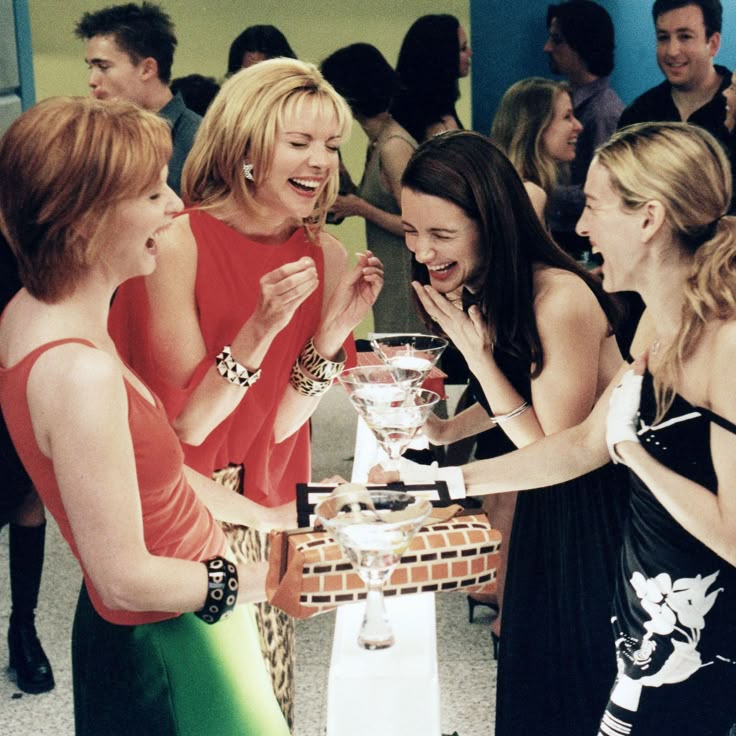
Another rewatch of Sex and the City (a ’90s cult classic and my personal favorite) is enough to make you realize it.
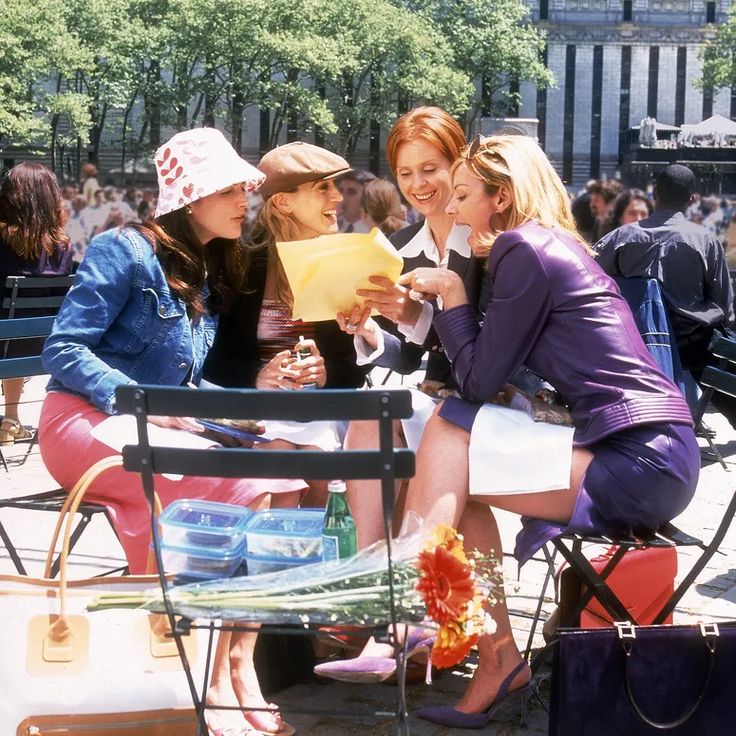
In the first episode, Carrie, Charlotte and Miranda are all 30-somethings, while Samantha is almost 40. On paper, they’re supposed to be the archetype of successful adult women: Manhattan apartments, established careers, strong identities. But what actually drives the show is their constant evolution. Carrie tears down her whole idea of love, Miranda completely turns her linear law career upside down, Charlotte discovers that picture-perfect fairy tales don’t match reality, and Samantha constantly redefines the boundaries of her independence.
We aren’t shown four women who had everything already sorted out (otherwise the show would’ve ended by episode three, and honestly, how boring!). Instead, we get four women who keep discovering themselves and evolving.
If these icons were still rewriting their storylines well into their thirties, we can’t expect to have reached our final chapter in our twenties. Our first season hasn’t even started yet and it could hold plenty of surprises.
We act as if we only have a limited number of chips to play with.
As if taking a wrong turn now means running out of time to turn back. But the future is just getting started and we still have plenty of time to shape it.Maybe being consistent doesn’t mean staying loyal to a version of ourselves we created years ago, or living up to what others expect from us. Changing your mind and admitting that what used to be enough yesterday feels too tight today isn’t a failure. It simply means living in the present and opening yourself up to the opportunities that change brings.
After all, if life were a rigid path with no plot twists or detours, Carrie would’ve married Aidan and moved to his house in the country. A lovely idea for sure, but a bit surreal for someone who uses her Manhattan oven as extra storage for her clothes. And it’s pretty clear to me that she wouldn’t have been the Carrie we all know and love.
Pensavo di sapere cosa volessi
Per tutta la vita ho avuto un’idea piuttosto chiara di come sarebbe stato il mio futuro.
Mentre gli altri, alla domanda “cosa vuoi fare da grande?”, rispondevano con un’alzata di spalle, io una risposta ce l’avevo sempre. Sapevo cosa mi piaceva, cosa volevo studiare, dove volevo vivere, che tipo di vita volevo costruirmi. Ero convinta che a un certo punto tutto si sarebbe incastrato perfettamente, come i pezzi di un puzzle.
Poi quel futuro ipotetico diventa presente. E stranamente, è proprio in quel momento che ci si rende conto che quei pezzi potrebbero non combaciare subito come avevamo previsto.
Siamo cresciuti con la convinzione che le scelte prese debbano essere definitive. Come se una possibilità escludesse automaticamente tutte le altre.
Oggi la FOMO—la paura costante di perdersi qualcosa o di prendere la decisione sbagliata—ci segue anche qui. Quando finalmente si raggiunge l’obiettivo di una vita, ci si ritrova a fare i conti con una strana ansia: stiamo davvero vivendo ciò che desideriamo oggi, o stiamo solo seguendo quello che ci siamo imposti anni fa? L’ironia della sorte è proprio aver paura di guardarsi indietro fra dieci anni e chiedersi “e se avessi scelto un’altra strada?”.
È il classico effetto “Sliding Doors”: la consapevolezza che basta una singola scelta, un treno perso (o preso), ad aprire una nuova strada del tutto inaspettata. Ci ritroviamo bloccati a pensare a quali altre versioni di noi potrebbero esistere al di là di quelle porte scorrevoli. Ma in realtà, sono proprio le casualità e le decisioni di ogni giorno ad averci guidato fino a qui.
A volte, però, non sono solo le coincidenze a bloccarci: è il peso delle nostre stesse aspettative ad intrappolarci in questo loop.
Ci siamo illusi di dover avere già tutto “figured out”, di dover calcolare ogni mossa in anticipo. Eppure se ci guardiamo un po’ intorno, nessuno è davvero arrivato a un punto definitivo—ed è probabilmente questa la parte più interessante della vita.
Basta l’ennesimo rewatch di “Sex and the City” (serie cult degli anni ’90 e mia personale preferita) per accorgersene.
Nel primo episodio, Carrie, Charlotte e Miranda hanno circa 30 anni. Samantha ne ha quasi 40. In teoria dovrebbero essere l’archetipo della donna adulta di successo: appartamenti a Manhattan, carriere avviate, identità fortissime. Ma ciò che veramente manda avanti lo show è il loro costante cambiamento. Carrie smonta le sue idee sull’amore, Miranda stravolge la sua carriera d’avvocato perfettamente lineare, Charlotte scopre che la fiaba perfetta non può combaciare con la realtà, e Samantha ridefinisce continuamente i confini della propria indipendenza.
Non ci vengono mostrate quattro donne che avevano già capito chi erano (altrimenti lo show sarebbe finito al terzo episodio, e che noia!), ma quattro donne che continuano a scoprirsi ed evolversi.
Se queste icone televisive a più di trent’anni stavano ancora riscrivendo la loro storia, a vent’anni non possiamo pretendere di aver già raggiunto il finale. La nostra prima stagione non è nemmeno iniziata e potrebbe riservarci diverse sorprese.
Ci comportiamo come se avessimo un numero limitato di fiches da giocarci.
Come se sbagliare strada adesso significasse non avere più il tempo di tornare indietro. Ma il futuro è appena cominciato e siamo ancora in tempo per modellarlo.
Forse la coerenza non significa per forza rimanere fedeli all’idea di noi stessi formulata anni fa, o a ciò che gli altri si aspettano da noi. Cambiare idea e ammettere che ciò che ci bastava ieri oggi ci sta stretto non significa aver fallito. Significa semplicemente vivere nel presente e sapersi aprire alle opportunità che i cambiamenti portano con sé.
In fondo, se la vita fosse un percorso rigido senza imprevisti o cambi di rotta, Carrie avrebbe sposato Aidan e si sarebbe trasferita in una casa di campagna. Una prospettiva bellissima, certo, ma probabilmente un po’ surreale per una che a Manhattan usa il forno come armadio per i vestiti. Mi sembra chiaro che non sarebbe più stata davvero la Carrie che tutti amiamo.
Foto: Pinterest