Sembra innocente, ma il Natale sovrappassa i limiti creando sprechi innecessari ed evitabili. Dietro alle strategie di marketing per farci acquistare e mangiare come se non ci fosse un domani esiste un impatto ambientale che anno dopo anno aumenta.
La nascita del natale come festività di consumo
Probabilmente da anni il Natale non è molto incentrato su Gesù e la sua nascita ma sull’unione e la quantità di cibo che si mangia. Durante il Medioevo, il Natale si festeggiava in chiesa, con giochi sulle piazze e regali che erano solo ricevuti da bambini e poveri in segno di carità cristiana. Con l’ascesa della borghesia, queste tradizioni si spostano alle case e i doni si scambiavano e si inizia ad usare la tradizione tedesca di addobbare un albero.
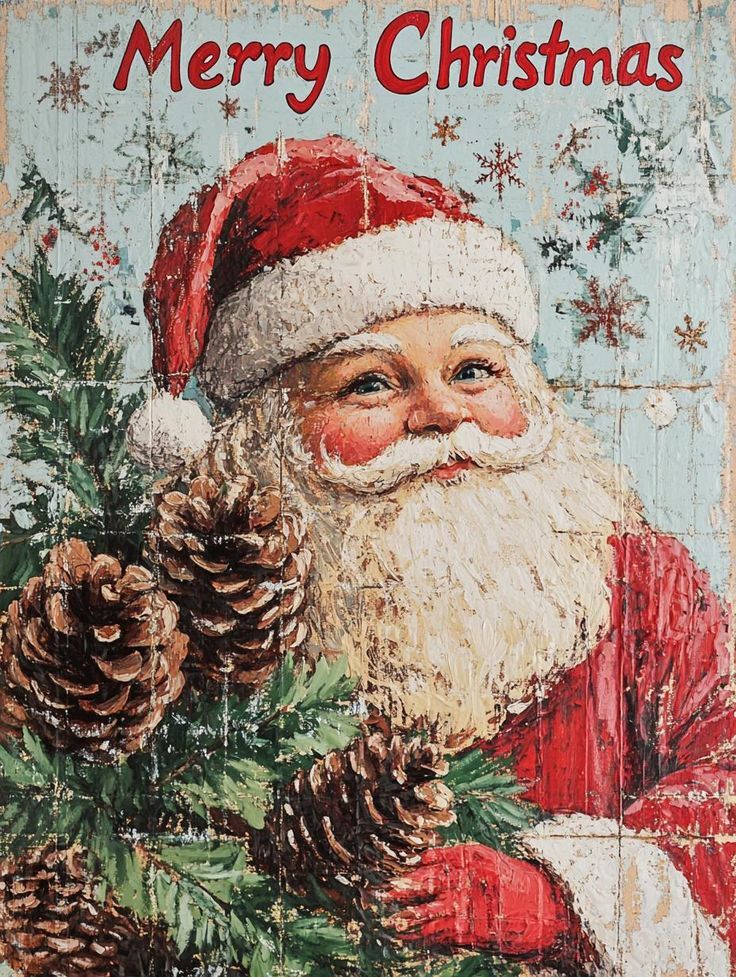
Nel 19esimo secolo, il mass media e la letteratura danno alla luce a Babbo Natale e il famoso romanzo di Charles Dickens “A Christmas Carol” dove il vecchio Scrooge impara ad amare le festività. Si sviluppa il mercato dei giocattoli, dei dolci, i negozi si riempiono di luci e la pubblicità porta le feste al suo boom nel 20esimo secolo quando capiscono il potere economico del Natale.
Il consumo a Natale
La religione sparisce e si dà posto al marketing e all’acquisto sfrenato di regali, cibo, luci, addobbi e viaggi per ritrovarsi in famiglia. Ed è tutto bellissimo finché si realizza quanto si spreca e la sovrapproduzione durante le feste. Chi non ha ricevuto un regalo che odiava? Chi ha mangiato fino a scoppiare così non si buttava il cibo ma si è buttato comunque? Quante volte ci siamo lamentati della quantità di gente in aeroporto? Tutte queste cose hanno sempre un impatto ambientale ma alla fine di dicembre aumentano di tanto.
Spreco di cibo
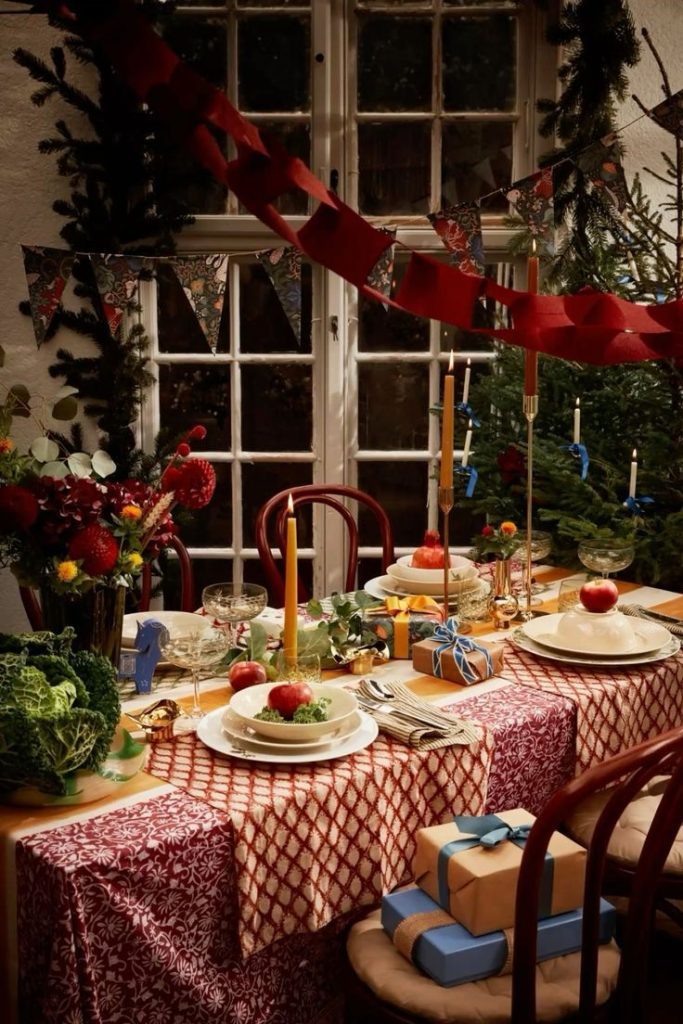
Ener2crowd, piattaforma italiana di investimenti nelle energie rinnovabili, ha pubblicato una stima che ha incrociato i dati dell’osservatorio sugli sprechi Waste Watcher e si è rivelato che durante le feste natalizie, in Italia, il 42 per cento dei cibi finisce nella spazzatura. Questo è otto volte di più rispetto alla media annua del cinque per cento.
Spreco di carta
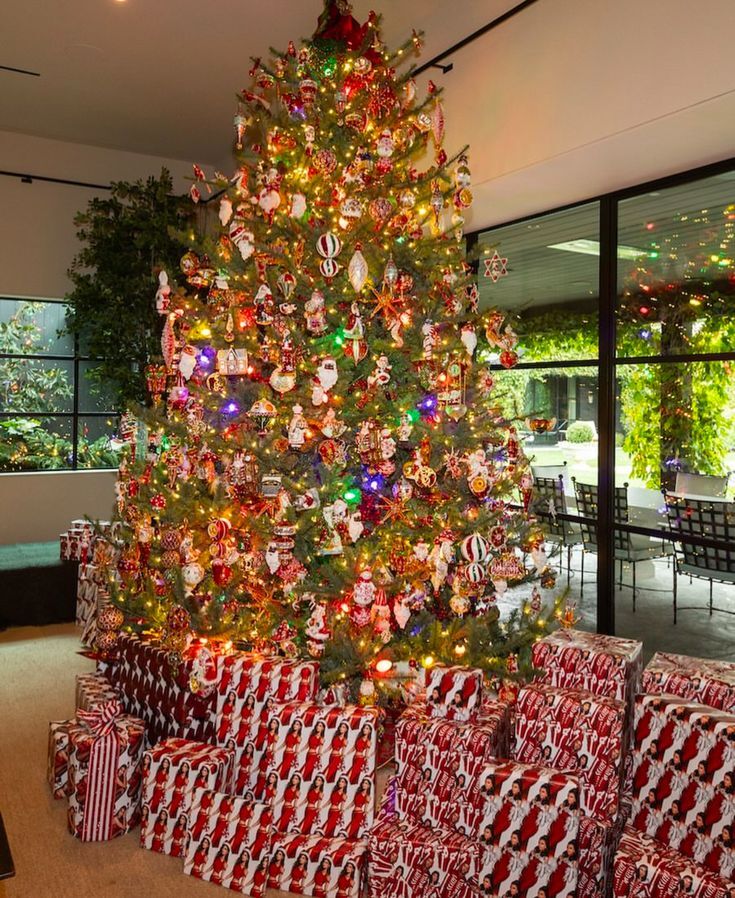
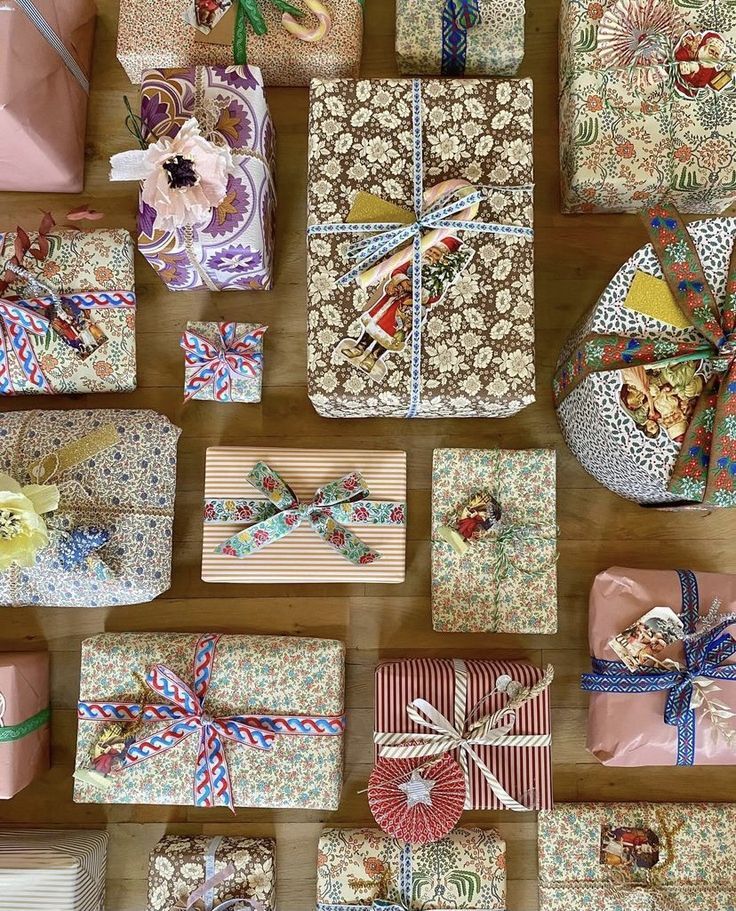
Sotto l’albero (vero o finto) tutti i regali aspettano chi sia stato buono durante l’anno, incartati, con fiocchi, con lettere e tanta tanta carta. Ovviamente importa solo l’interno quindi qualsiasi decorazione sulla confezione regalo finisce nella spazzatura. Non è solo carino incartare i regali per la foto di Instagram ma per l’adrenalina e l’aspettativa di cosa c’è dentro. Però, durante il Natale, lo spreco di carta d’imballaggio aumenta ed è più dell’11% rispetto a quello annuo.
Impatto ambientale
Queste due cose insieme non passano inosservate, il consumo e lo spreco sia di cibo che di materiali di imballaggio aumentano i gas serra. In uno studio pubblicato dall’Istituto di ambiente di Stoccolmo che si chiama “The carbon cost of Christmas” è stato rivelato che “in soli tre giorni (il Natale) ci fa emettere una quantità di gas serra pari al 5,5 per cento del totale annuo”.
L’economia dei regali
Ci sono persone, come me, che odiano le sorprese e chiedono il regalo. Ci sono tantissimi altri che per Natale scelgono i regali a sorpresa. Un libro pubblicato da Joel Waldfogel nel 2009, ‘Scroogenomics: Why you shouldn’t buy presents for the holidays‘ spiega quanto si sprechi a livello economico con i regali di Natale, soprattutto quelli non scelti. Il valore economico e quello percepito non sempre corrispondono e questo si trasforma in una “perdita secca”, ovvero, ciò che si paga diventa troppo o poco quando viene confrontato con il valore emozionale.
Il suo libro propone che solo il ricevitore dei regali sa cosa vuole e per aiutare l’economia, garantire la felicità ed evitare la delusione, il migliore regalo sono i soldi. Freddo e impersonale. Nel 2016 è stata fatta un’indagine da parte della banca ING che ha rivelato che 81 milioni di regali non sono stati voluti. Si creò uno spreco di 3.7 bilioni di euro e inoltre, il fatto che i regali siano obbligatori, mette in difficoltà chi magari non avendo soldi si indebita per prenderli o, peggio ancora per gli economisti, prende qualsiasi cosa giusto per avere un regalo da dare. Non è solo un problema economico ma anche morale per chi regala solo perché deve e non per desiderio proprio.
Il lato positivo
Nonostante tutti gli sprechi e tutti i malesseri che il Natale potrebbe occasionare, è l’unica festa, forse globale, che tiene insieme le persone. Anche per chi pensa di essere il Grinch personificato, è impossibile non avere un sorriso in faccia quando, uscendo da un negozio, qualcuno ci augura un Buon Natale.
In una forma non tanto nascosta, il Natale è sempre stato una grande strategia di marketing per fomentare il consumo, ma sicuramente una forma per invogliare a regalare e a pensare agli altri anziché soltanto a noi stessi. Annulliamo lo spirito egocentrico e magari ci mettiamo quel maglione orribile con le renne di 20 anni fa che tanto piace alla nonna. Il Natale ci unisce e ci permette di guardarci in faccia, condividere momenti insieme con amici e famiglia. Certo che gli sprechi aumentano, ma magari basta essere consapevoli e cercare opzioni più sostenibili che rendano il momento più magico dell’anno ancora più personalizzato.
ENGLISH VERSION
Christmas in numbers
It seems innocent, but Christmas goes beyond the limits, creating unnecessary and avoidable waste. Behind the marketing strategies that encourage us to buy and eat as if there were no tomorrow lies an environmental impact that increases year after year.
The start of Christmas
For years now, Christmas has probably not focused so much on Jesus and his birth as on togetherness and the amount of food that is eaten. During the Middle Ages, Christmas was celebrated in church, with games in parks and gifts that were only given to children and the poor as a sign of Christian charity. With the rise of the bourgeoisie, these traditions moved to homes, gifts were exchanged, and the German tradition of decorating a tree began.
In the 19th century, the mass media and literature gave birth to Santa Claus and Charles Dickens’ famous novel “A Christmas Carol,” in which old Scrooge learns to love the holidays. The market for toys and sweets developed, shops were filled with lights, and advertising brought the holidays to their boom in the 20th century when the economic power of Christmas was not taken for granted anymore.
Christmas consumption
Religion disappears and gives way to marketing and the frenzied purchase of gifts, food, lights, decorations, and trips to get together with family. And it’s all wonderful until you realize how much waste and overproduction there is during the holidays. Who hasn’t received a gift they hated? Who hasn’t eaten until they were stuffed so they wouldn’t throw food away, but threw it away anyway? How many times have we complained about the crowds at the airport? All these things always have had an environmental impact, but at the end of December, they increase significantly.
Food waste
Ener2crowd, an Italian renewable energy investment platform, has published an estimate based on data from the Waste Watcher observatory, which reveals that during the Christmas holidays in Italy, 42 percent of food ends up in the trash. This is eight times more than the annual average of five percent.
Paper waste
Under the tree (real or fake), all the gifts await those who have been good during the year, wrapped with bows, letters, and lots and lots of paper. Of course, only the contents matter, so any decorations on the gift wrapping end up in the trash. It’s not just nice to wrap gifts for Instagram photos, but also for the adrenaline rush and anticipation of what’s inside. However, during Christmas, waste paper packaging increases by more than 11% compared to the annual average.
Environmental impact
These two things together do not go unnoticed: the consumption and waste of both food and packaging materials increase greenhouse gases. A study published by the Stockholm Environment Institute called “The carbon cost of Christmas” revealed that “in just three days (during Christmas) we emit 5.5 percent of the total annual greenhouse gases.”
The economics of gifts
There are people, like me, who hate surprises and ask for gifts. There are many others who choose surprise gifts for Christmas. A book published by Joel Waldfogel in 2009, ‘Scroogenomics: Why you shouldn’t buy presents for the holidays’, explains how much money is wasted on Christmas gifts, especially those that are not chosen. The economic value and the perceived value do not always correspond, and this turns into a ‘deadweight loss’, i.e., what you pay becomes too much or too little when compared to the emotional value.
His book suggests that only the recipient of gifts knows what they want and that, in order to help the economy, ensure happiness, and avoid disappointment, the best gift is money. Cold and impersonal. In 2016, a survey was conducted by ING Bank which revealed that 81 million gifts were unwanted. This created a waste of €3.7 billion. Furthermore, the fact that gifts are obligatory puts those who may not have money in a difficult position, forcing them to go into debt to buy them or, worse still for economists, to buy anything just to have a gift to give. It is not only an economic problem but also a moral one for those who give gifts only because they have to and not because they want to.
The positive side
Despite all the waste and discomfort that Christmas can cause, it is the only holiday, perhaps globally, that brings people together. Even for those who think they are the Grinch incarnate, it is impossible not to smile when, leaving a store, someone wishes us a Merry Christmas.
In a not-so-hidden way, Christmas has always been a great marketing strategy to encourage consumption, but it is certainly a way to encourage us to give gifts and think of others rather than just ourselves. Let’s put aside our egocentric spirit and maybe wear that horrible reindeer sweater from 20 years ago that Grandma loves so much. Christmas brings us together and allows us to look each other in the face and share moments with friends and family. Of course, waste increases, but perhaps we just need to be aware and look for more sustainable options that make the most magical time of the year even more personal.
Foto: Pinterest