September brings with it that feeling of new things waiting to be told. Well, this time, the real beginning doesn’t happen on the Fashion Week runways or in social media feeds: it starts in Venice.
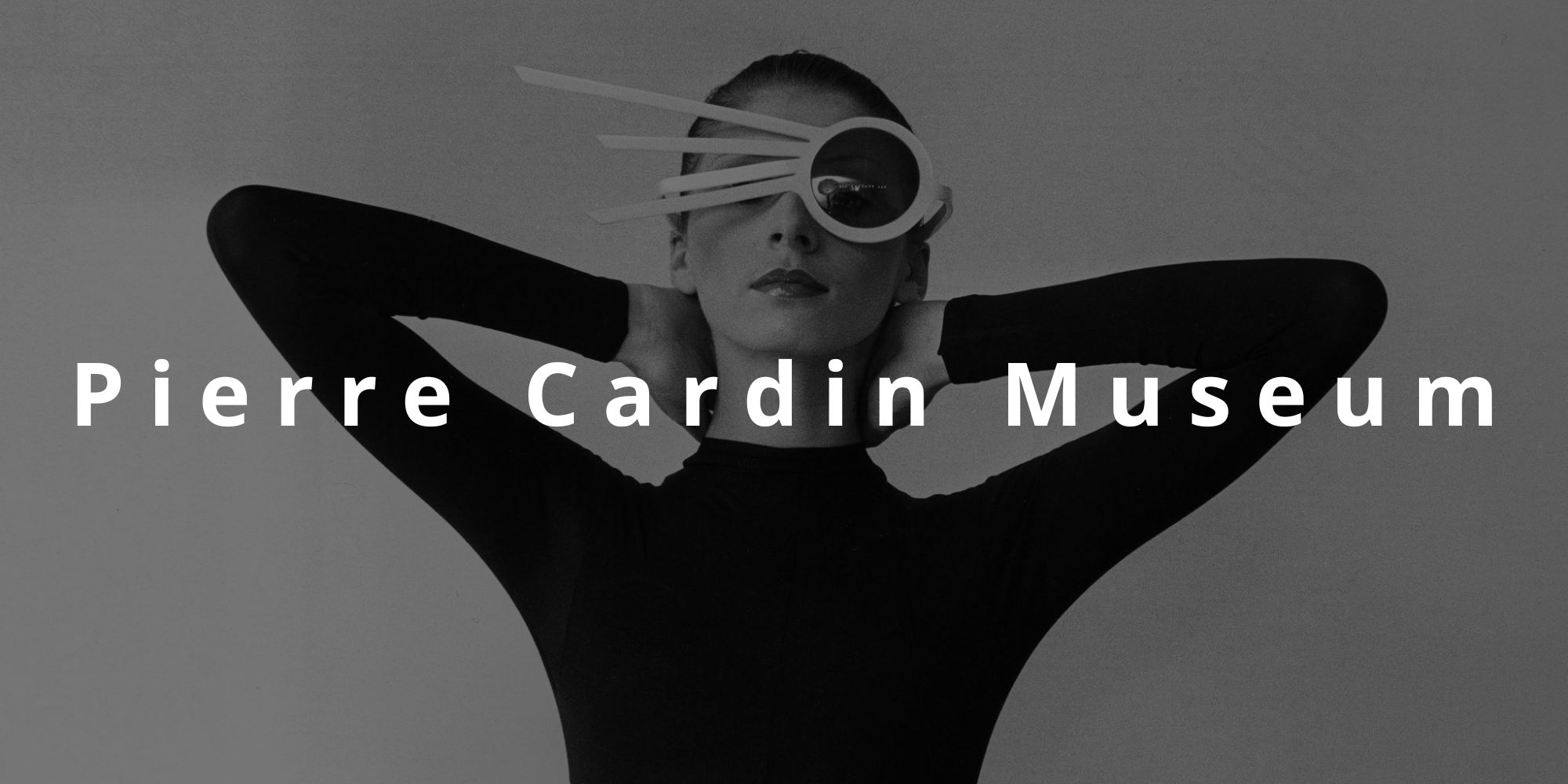
On September 3, 2026, Maison Pierre Cardin officially opened the doors of Palazzo Cardin in Venice, at Calle della Regina 2329 (Santa Croce district), once the private residence of the visionary himself and now a House-Museum spanning almost 1.000 square meters.
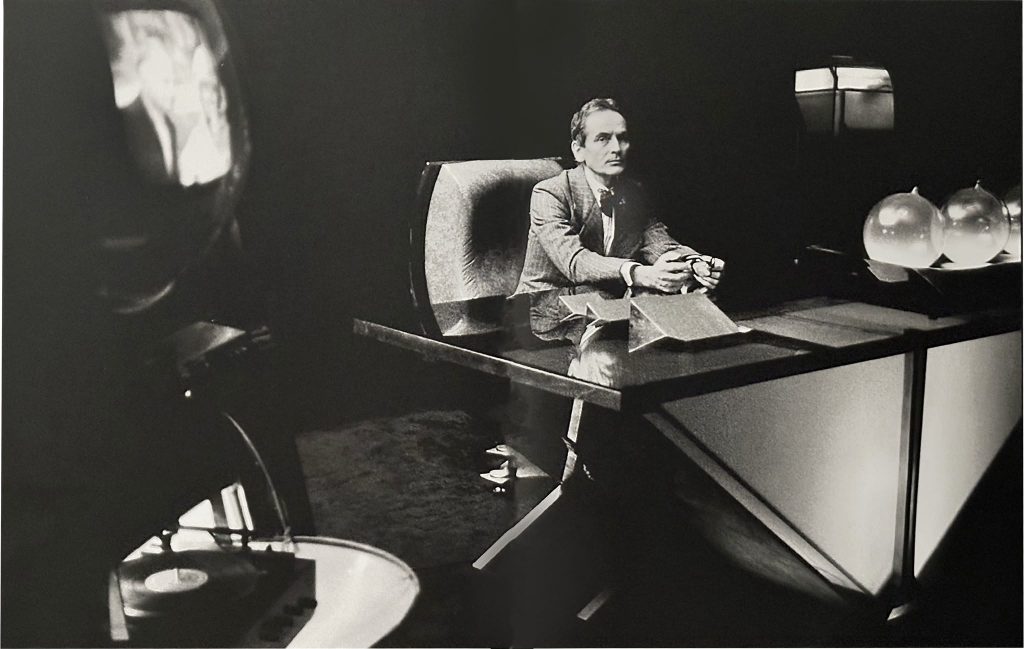
To truly understand the importance of this opening, curated by Andrea Burroni, we need to go back to the roots of his revolution. Calling Pierre Cardin simply a “designer” has always been an understatement. He was a sculptor of the body, a pioneer who freed clothing from its role as a symbol of social status and turned it into spatial geometry.
“For me, couture is an opportunity to continue my career as an architect. A dress is like a house: you must feel at home in it. Every design I create is an architectural and sculptural construction; the only difference is that the forms move.”
His way of looking at the world was unique, and so his style quickly became recognizable.
Born in San Biagio di Callalta (Treviso) in 1922, he studied in France and spent most of his life there. He began his career as a tailor for Christian Dior, but five years after arriving in the capital in 1945, he opened his own maison, creating costumes and masks for the theater.
In 1953, he presented his first collection. Cardin looked ahead: he was designing a future that did not exist yet. And naturally, it didn’t take long for the whole world to notice.
Just think about his approach to materials and space.
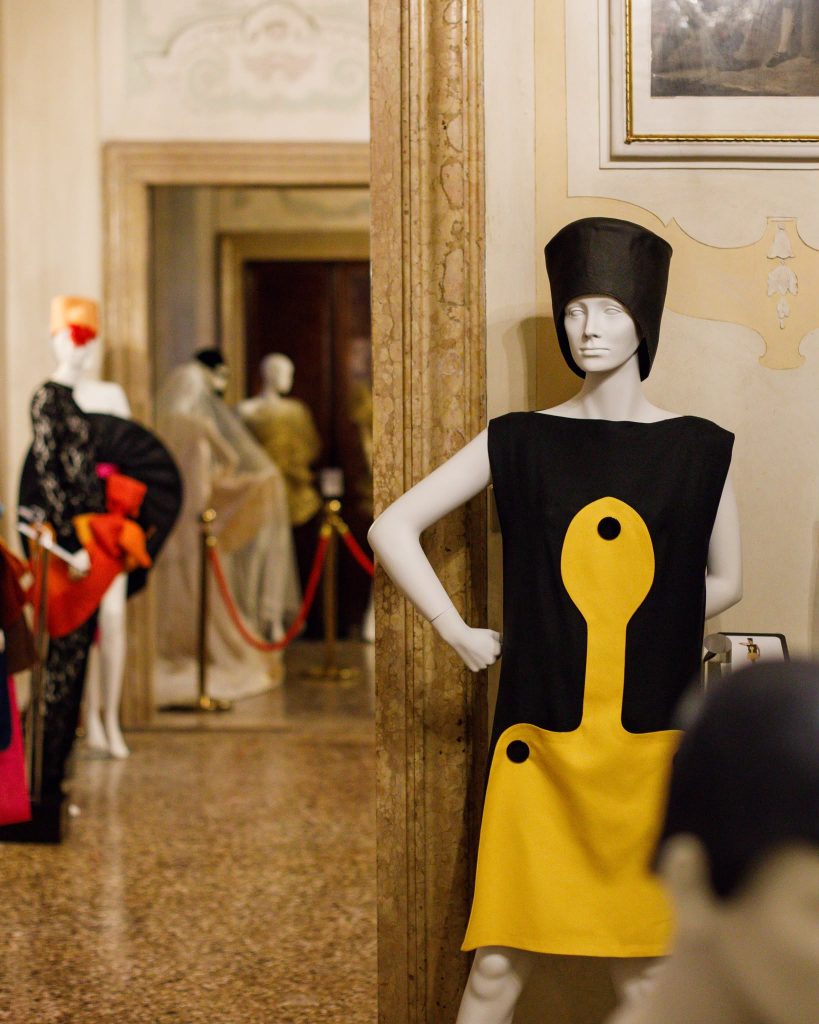
His silhouettes became legendary precisely because they rejected the ordinary, like the iconic “Bubble Dress,” invented in 1954. This was the breaking point with Parisian Haute Couture, dominated by the hourglass silhouette of the “New Look” and its rigid, formal elegance.
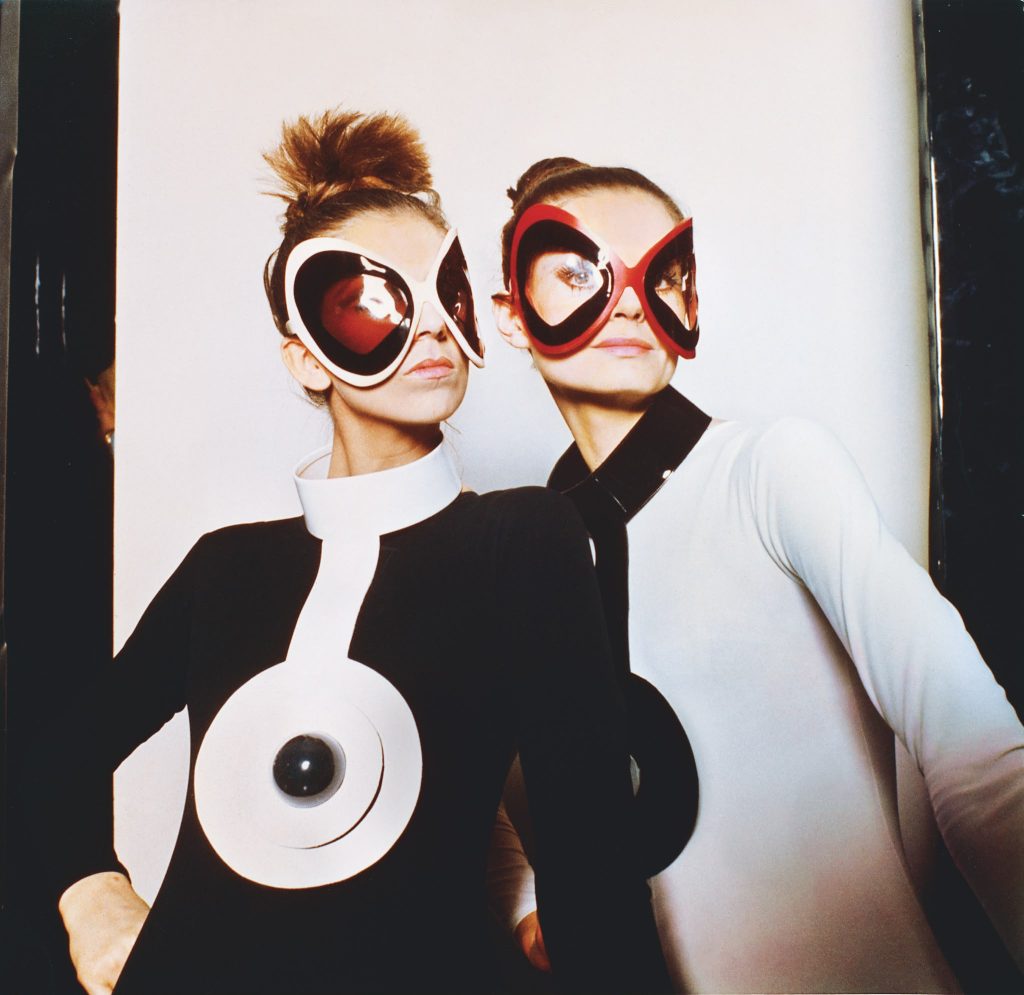
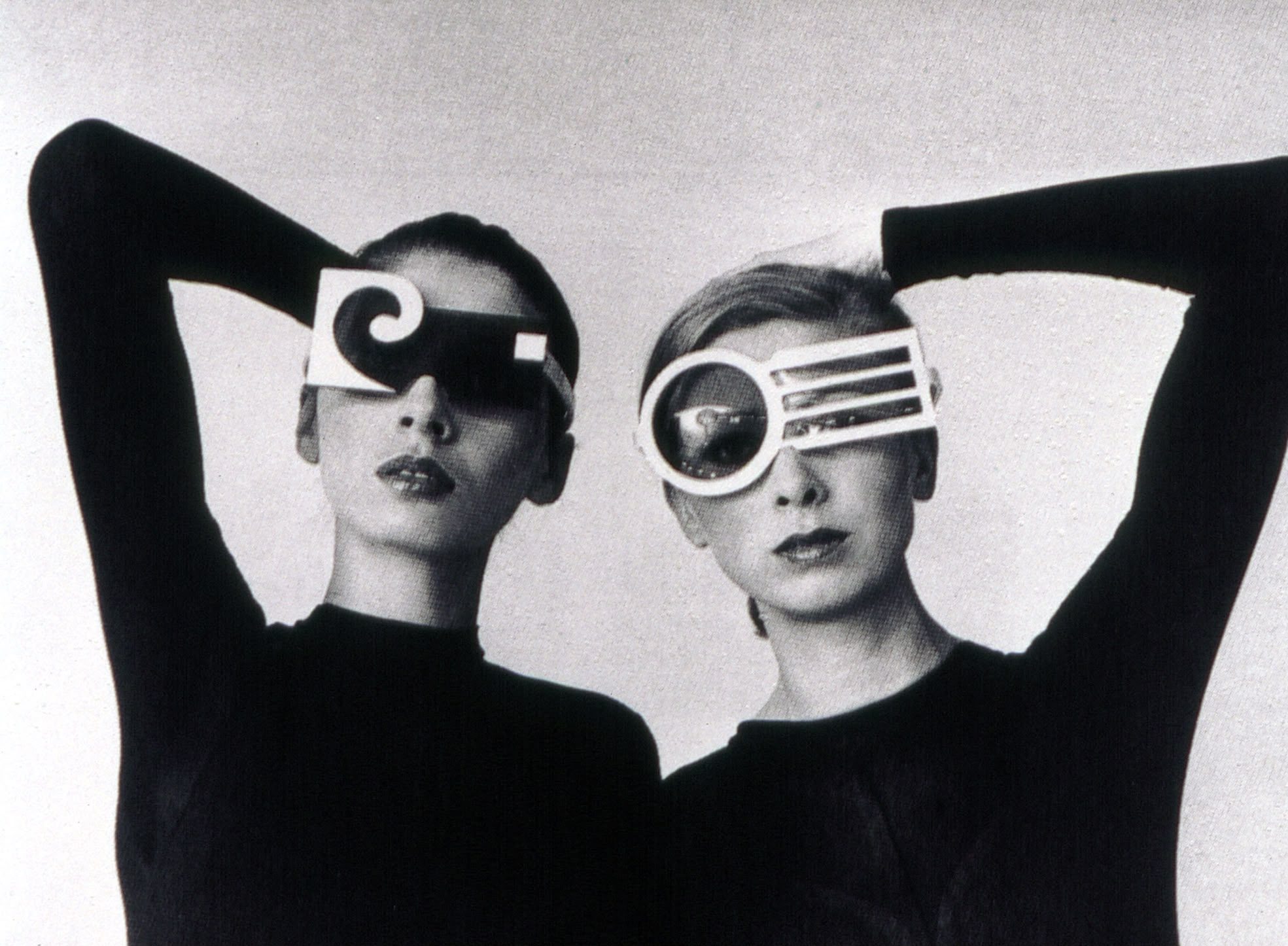
Cardin used the shapes of the body as actual foundations for sculptural volumes and industrial materials. In fact, he was the first to experiment with vinyl, metal and plastic, eventually arriving at 1968, when he patented “Cardine”, a thermoformed synthetic fabric that allowed him to sculpt the folds directly into the material.
But the real revolution—one that at the time cost him a scandal and even temporary expulsion from the sacred Chambre Syndicale de la Haute Couture in 1959—was his decision to democratize the dream. Why should fashion remain a privilege for only a few?
Cardin brought high fashion into department stores by launching prêt-à-porter. In doing so, he showed that avant-garde design didn’t have to remain locked away in the dusty rooms of the elite, but could walk down the street and live alongside people.
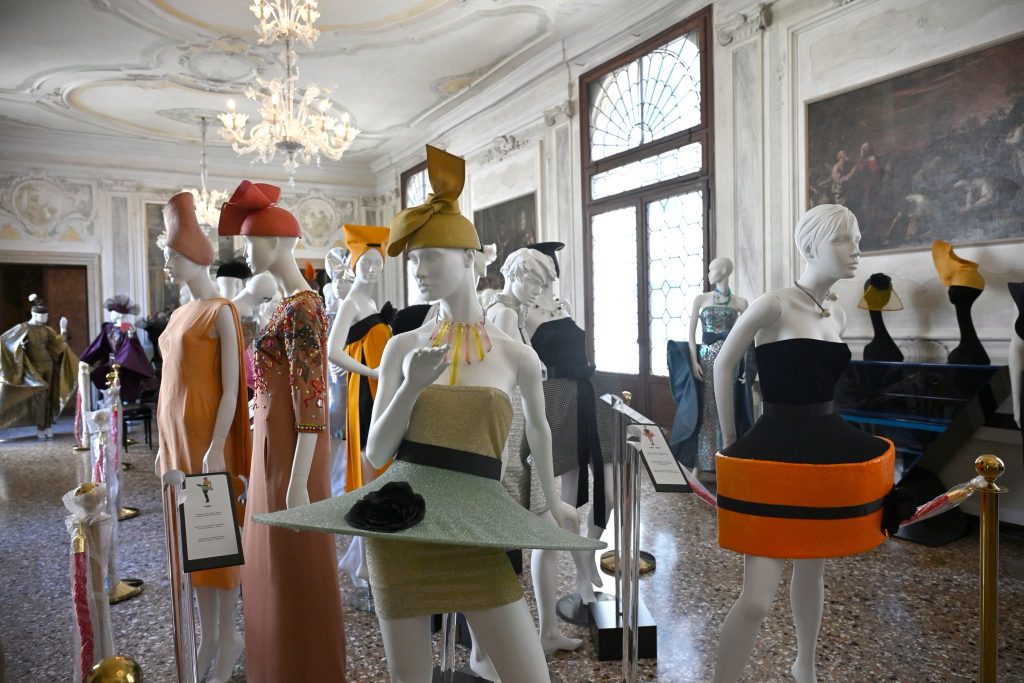
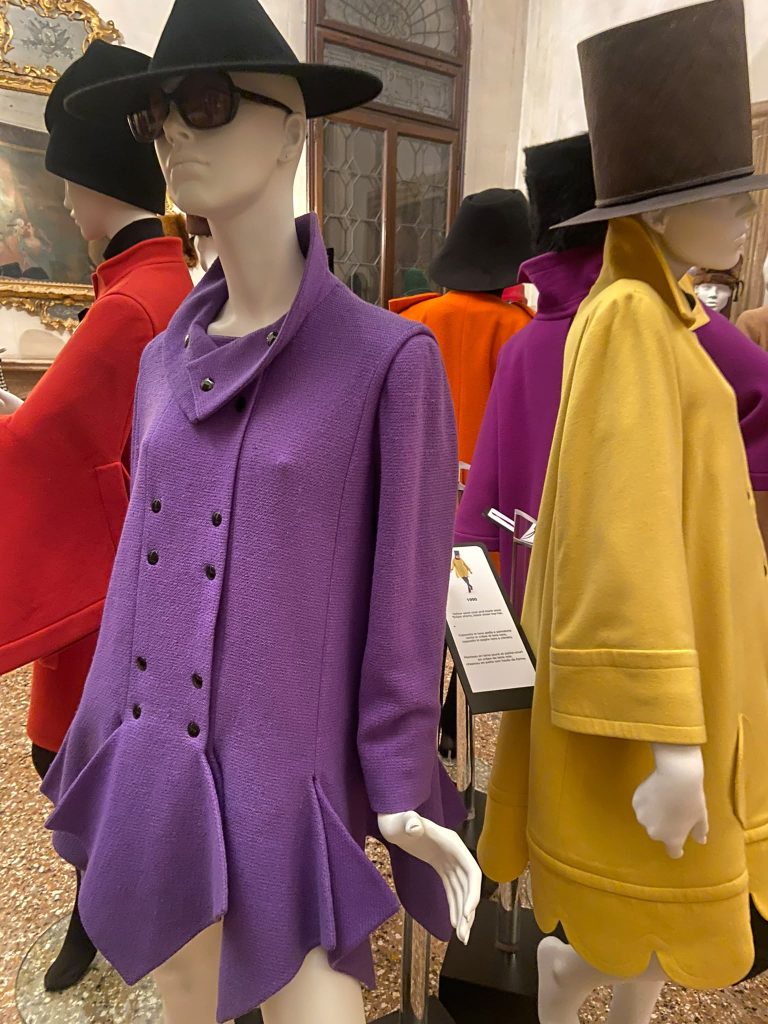
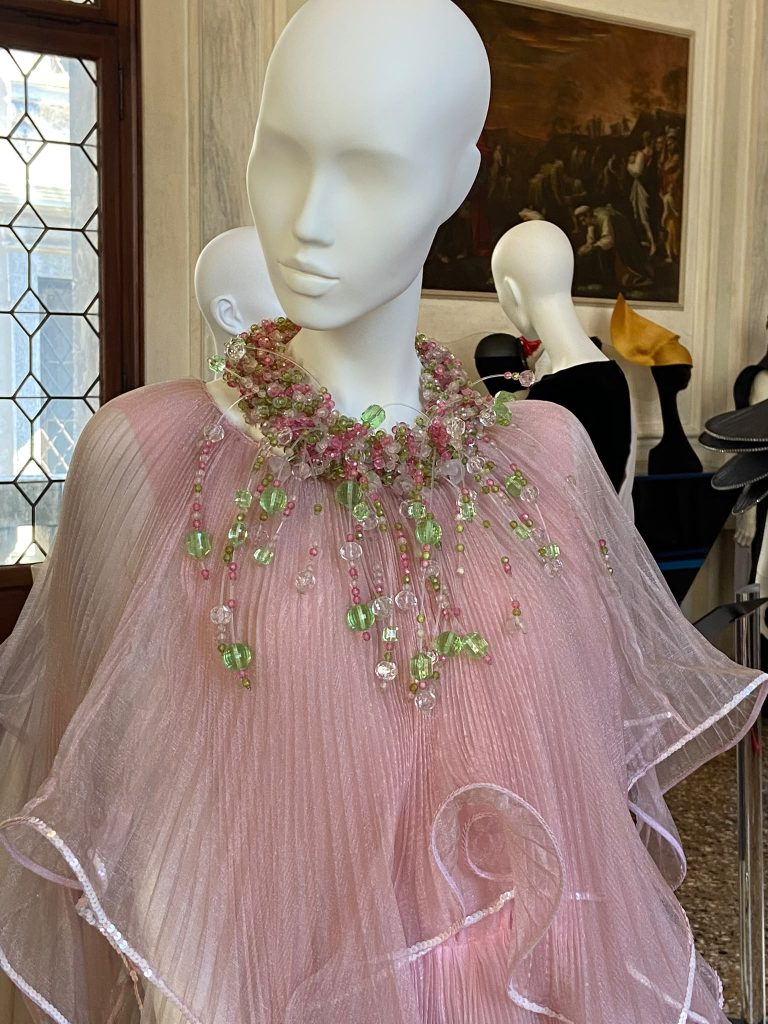
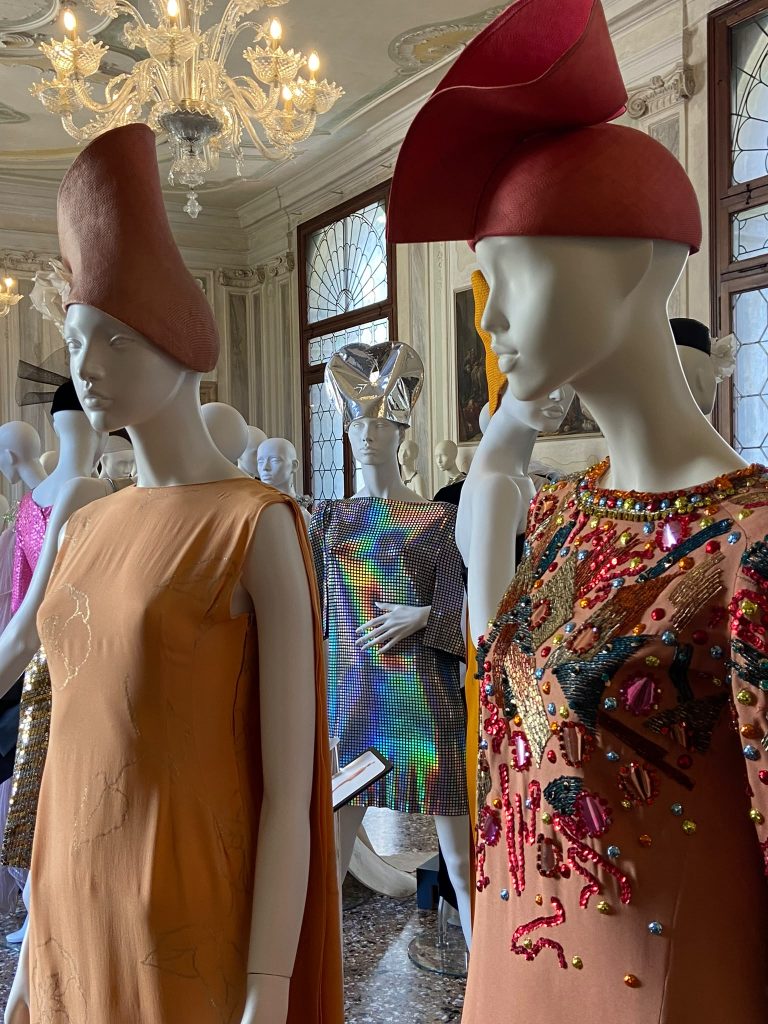
Today, we can relive this revolutionary freedom by walking among the more than 350 works displayed at Palazzo Cardin. The journey is a total immersion into his vision, with historic and contemporary pieces, original drawings, furniture, lamps and his famous “Utilitarian Sculptures”, furniture objects characterized by a surprisingly contemporary modernity.
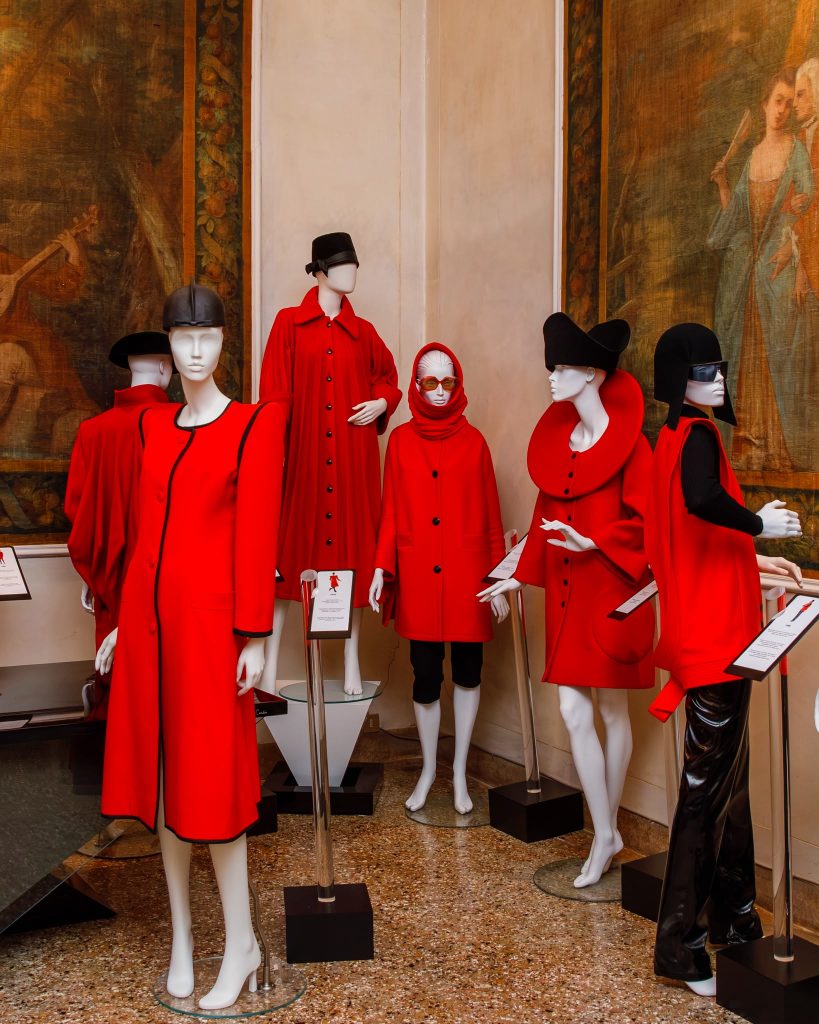
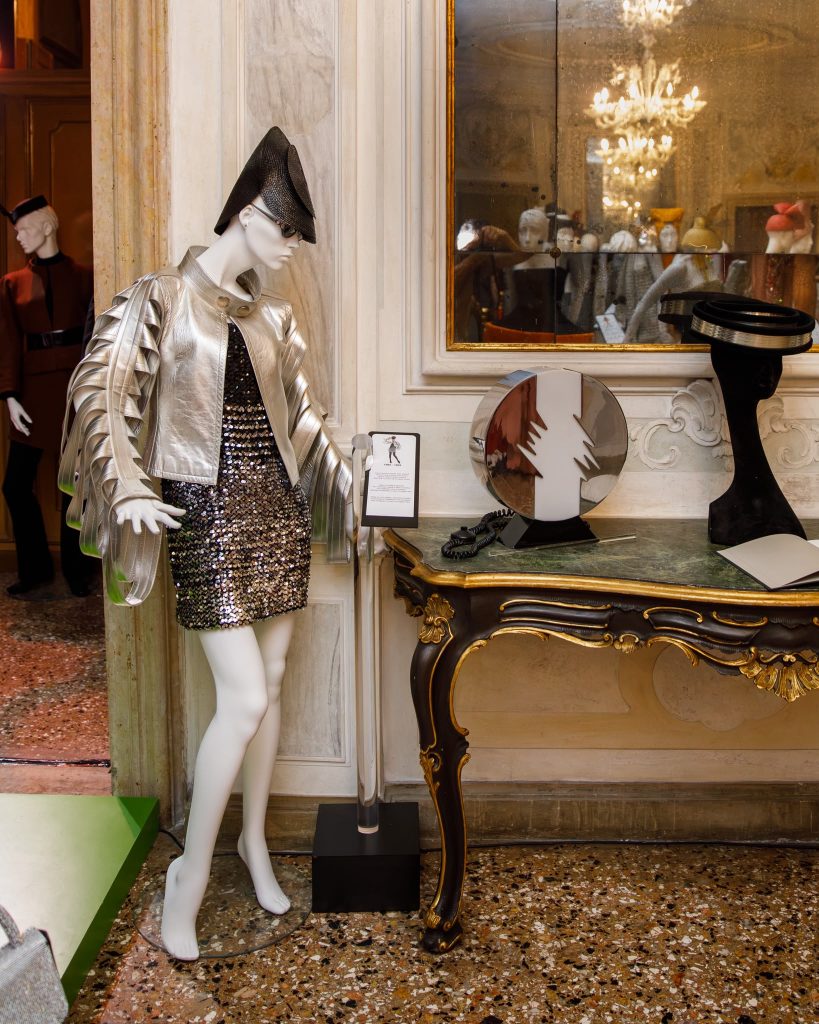
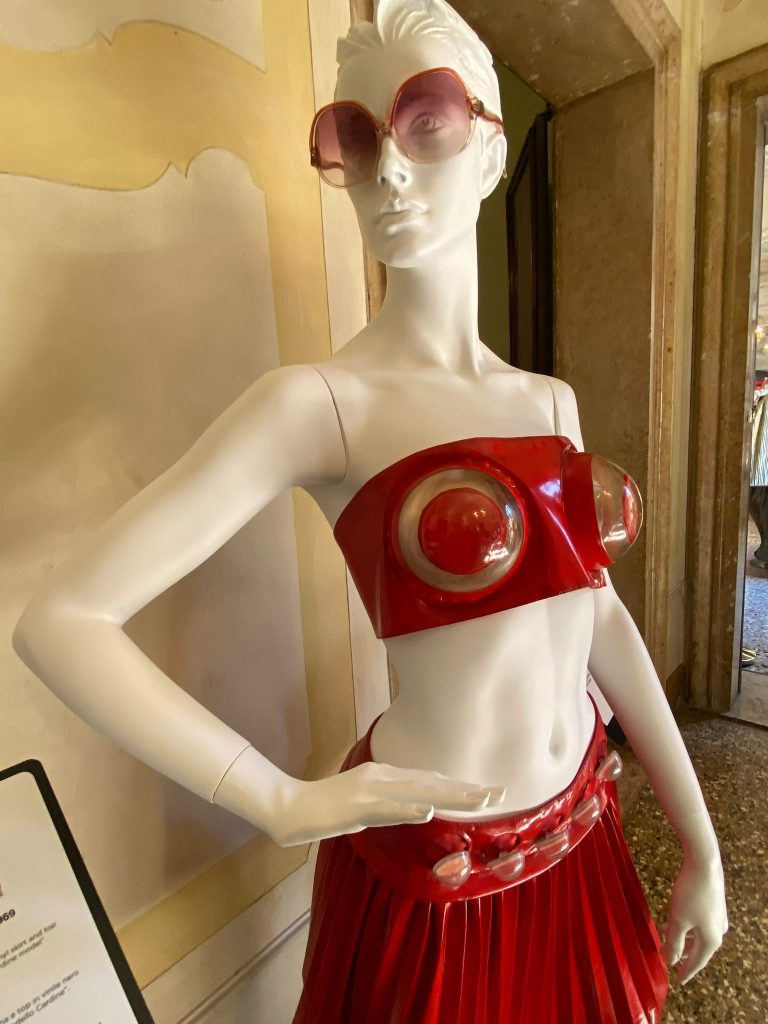
The choice of Venice is anything but random.
Cardin always maintained an invisible thread with La Serenissima. And this connection is celebrated by an almost magical coincidence: on September 3, 1951, the “Ball of the Century” took place at Palazzo Labia. An event organized by Charles de Beistegui who, in the hall frescoed by Giambattista Tiepolo, decided to bring an eighteenth-century night back to life through masks, wigs, precious brocade fabrics and dramatic arrivals by gondola. The guest list included some of the most famous personalities of the time—Salvador Dalí, Christian Dior, Aga Khan III, Cecil Beaton, Orson Welles, Barbara Hutton and many others.
Pierre Cardin had the opportunity to create around thirty costumes for the guests, helping make that evening one of the most important moments of his early career. Exactly seventy-five years later, on September 3, 2026, a new chapter begins with Palazzo Cardin. The Museum will open to the public on September 13.
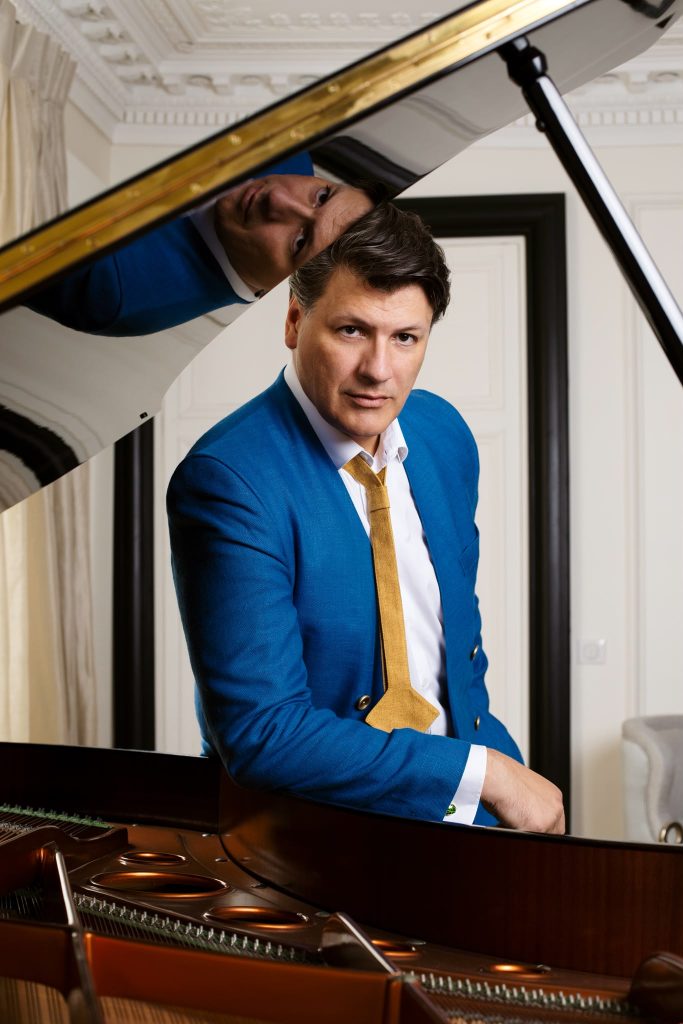
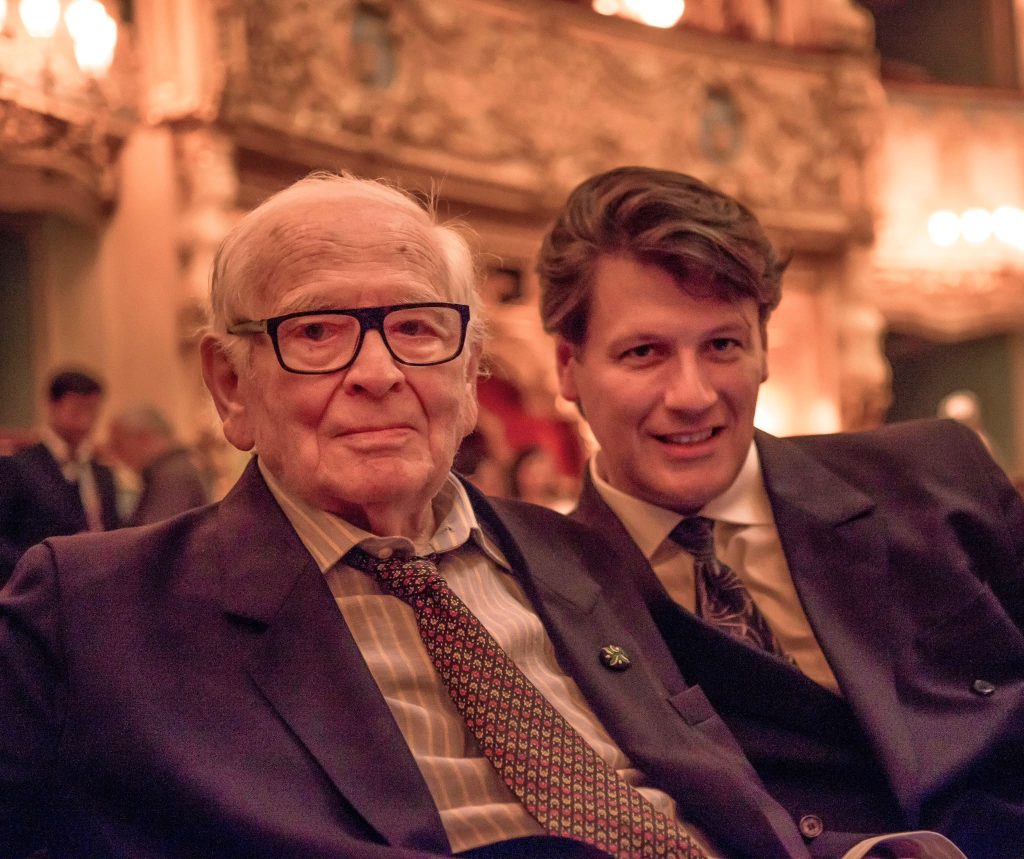
Taking the reins of this legacy is Rodrigo Basilicati-Cardin, the pioneer’s grandson. An engineer, designer and musician, Rodrigo is taking the brand beyond the limits of Earth, quite literally. Under his artistic direction, in fact, the Maison continues to follow the path of innovation: from its collaboration with the European Space Agency (ESA) to develop training suits for lunar missions at the LUNA center in Cologne, to the first “Satellite Dress” created together with Thales Alenia Space using the thermal fabrics of the “Cygnus” spacecraft, as well as sustainability projects such as the “Prix Bulle”, an award dedicated to startups protecting space and the oceans.
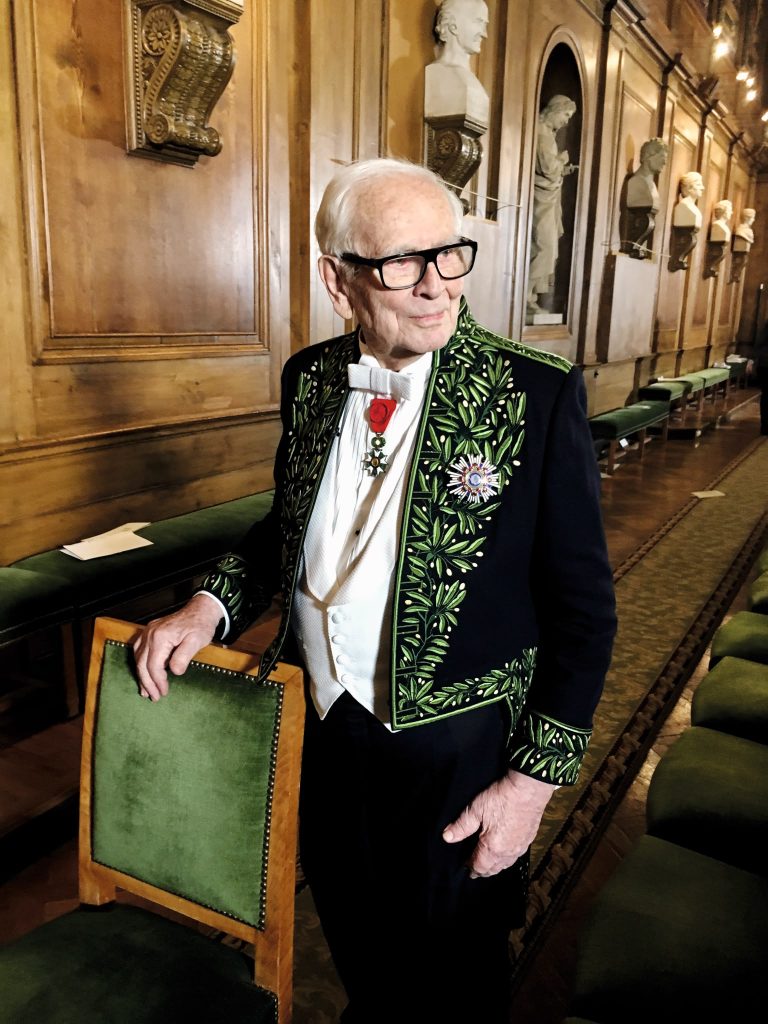
Palazzo Cardin is not a museum where you simply look at vintage clothes behind a glass case.
Let me ask you a question: how can we look back to celebrate the past, when that past was already speaking the language of tomorrow?
In Venice, we won’t simply visit a museum dedicated to the past of fashion. We will find ourselves chasing the future that Pierre Cardin had imagined for all of us.
Casa-Museo Pierre Cardin
Settembre porta con sé quell’aria di cose nuove che chiedono di essere raccontate. Bene, questa volta il vero inizio non passa dalle passerelle della Fashion Week o dai feed sui social: parte da Venezia.
Il 3 settembre 2026 Maison Pierre Cardin ha aperto ufficialmente le porte di Palazzo Cardin a Venezia, in Calle della Regina 2329 (sestiere Santa Croce), un tempo residenza privata dell’omonimo visionario e oggi Casa-Museo di quasi 1000 metri quadri.
Per comprendere veramente l’importanza di questa apertura, curata da Andrea Burroni, bisogna tornare all’origine della sua rivoluzione. Definire Pierre Cardin un semplice “stilista” è sempre stato riduttivo. È stato uno scultore del corpo, un pioniere che ha liberato l’abito dalla sua funzione di status sociale per trasformarlo in geometria spaziale.
“La sartoria, per me, è l’occasione per continuare la mia carriera di architetto. Un vestito è come una casa, bisogna sentirsi a casa. Ogni modello che concepisco è una costruzione architettonica e scultorea; l’unica differenza è che le forme si muovono”.
Il suo modo di guardare il mondo era unico, e così anche il suo stile è diventato immediatamente riconoscibile. Nato a San Biagio di Callalta (Treviso) nel 1922, studia in Francia e lì trascorre gran parte della sua vita. Inizia la carriera come sarto per Christian Dior, ma cinque anni dopo il suo arrivo nella capitale nel 1945 apre la propria maison, realizzando costumi e maschere per il teatro.
Nel 1953 presenta la sua prima collezione. Cardin guardava avanti: disegnava un futuro che ancora non esisteva. E naturalmente, ci volle poco perché il mondo intero se ne accorgesse.
Basta pensare al suo approccio con la materia e con lo spazio.
Le sue silhouette sono diventate una leggenda proprio perché rifiutavano la banalità, come il celebre “Bubble Dress”, inventato nel 1954. È questo il punto di rottura con l’Haute Couture parigina, dominata dalla silhouette a clessidra del “New Look” e da un’eleganza rigida e formale.
Cardin usava le forme del corpo come vere e proprie fondamenta per volumi scultorei e materiali industriali. Fu infatti il primo a sperimentare con vinile, metallo e plastica, fino ad arrivare al 1968, quando brevettò la “Cardine”, un tessuto sintetico termoformato che gli permetteva di scolpire le pieghe direttamente nella materia.
Ma la vera e propria rivoluzione—quella che all’epoca gli costò uno scandalo e persino l’espulsione temporanea dalla sacra Chambre Syndicale de la Haute Couture nel 1959—è stata la scelta di democratizzare il sogno. Perché la moda doveva rimanere un privilegio per pochissimi?
Cardin portò l’alta moda nei grandi magazzini lanciando il prêt-à-porter. In questo modo dimostrò che il design d’avanguardia non doveva rimanere chiuso nelle stanze polverose dell’élite, ma doveva camminare per strada e vivere insieme alle persone.
Oggi possiamo rivivere questa libertà rivoluzionaria camminando tra le oltre 350 opere esposte a Palazzo Cardin. Il percorso è un’immersione totale nella sua visione tra capi storici e contemporanei, disegni originali, mobili, lampade e le sue famose “Sculture Utilitarie”, ovvero oggetti d’arredo caratterizzati da una modernità sorprendentemente contemporanea.
La scelta di Venezia non è affatto casuale.
Cardin ha sempre mantenuto un filo invisibile con La Serenissima. E questo legame viene celebrato con una coincidenza quasi magica: il 3 settembre 1951, a Palazzo Labia si svolse il “Ballo del Secolo”. Un evento organizzato da Charles de Beistegui che, nel salone affrescato da Giambattista Tiepolo, decise di far rivivere una notte settecentesca tra maschere, parrucche, pregiati tessuti broccati e arrivi scenografici in gondola. La lista degli invitati comprendeva alcune delle personalità più celebri dell’epoca—Salvador Dalí, Christian Dior, Aga Khan III, Cecil Beaton, Orson Welles, Barbara Hutton e molti altri.
Pierre Cardin ebbe l’occasione di realizzare circa trenta costumi per gli ospiti, contribuendo a rendere quella serata uno dei momenti più importanti degli inizi della sua carriera. Esattamente settantacinque anni dopo, il 3 settembre 2026, si apre un nuovo capitolo con Palazzo Cardin. La Casa-Museo sarà aperta al pubblico dal 13 settembre.
A prendere in mano le redini di questa eredità c’è Rodrigo Basilicati-Cardin, nipote del pioniere. Ingegnere, designer e anche musicista, Rodrigo sta portando il marchio oltre i confini terrestri, letteralmente. Sotto la sua direzione artistica infatti, la Maison continua a percorrere la strada dell’innovazione: dalla collaborazione con l’Agenzia Spaziale Europea (ESA) per lo sviluppo delle tute d’addestramento lunare al centro LUNA di Colonia, fino al primo “Satellite Dress” creato insieme a Thales Alenia Space con i tessuti termici della navicella spaziale “Cygnus”, passando per progetti legati alla sostenibilità come il “Prix Bulle”, il premio dedicato alle startup che proteggono spazio e oceani.
Palazzo Cardin non è un museo dove osservare vestiti d’epoca sotto una teca di vetro.
Vi faccio una domanda: com’è possibile guardare indietro per celebrare il passato, quando quel passato parlava già la lingua di domani?
A Venezia non visiteremo semplicemente una museo dedicato al passato della moda. Ci troveremo a rincorrere il futuro che Pierre Cardin aveva immaginato per tutti noi.
© Pierre Cardin Evolution
© Filippo Ciappi/AP Content Services for Pierre Cardin