I have to admit this: moving away from Friuli made me appreciate more the calmness and beauty of its surroundings.
When you grow up somewhere, it’s quite easy to take it for granted. The places you have always seen become part of your everyday life, so you stop noticing them. The mountains are just there, the river is just the river and going to a small town for a local festival is simply what you do on a summer weekend.
It was only after moving away that I started looking at Friuli differently. I realized how much there actually is to see, eat and experience, especially during the summer months.
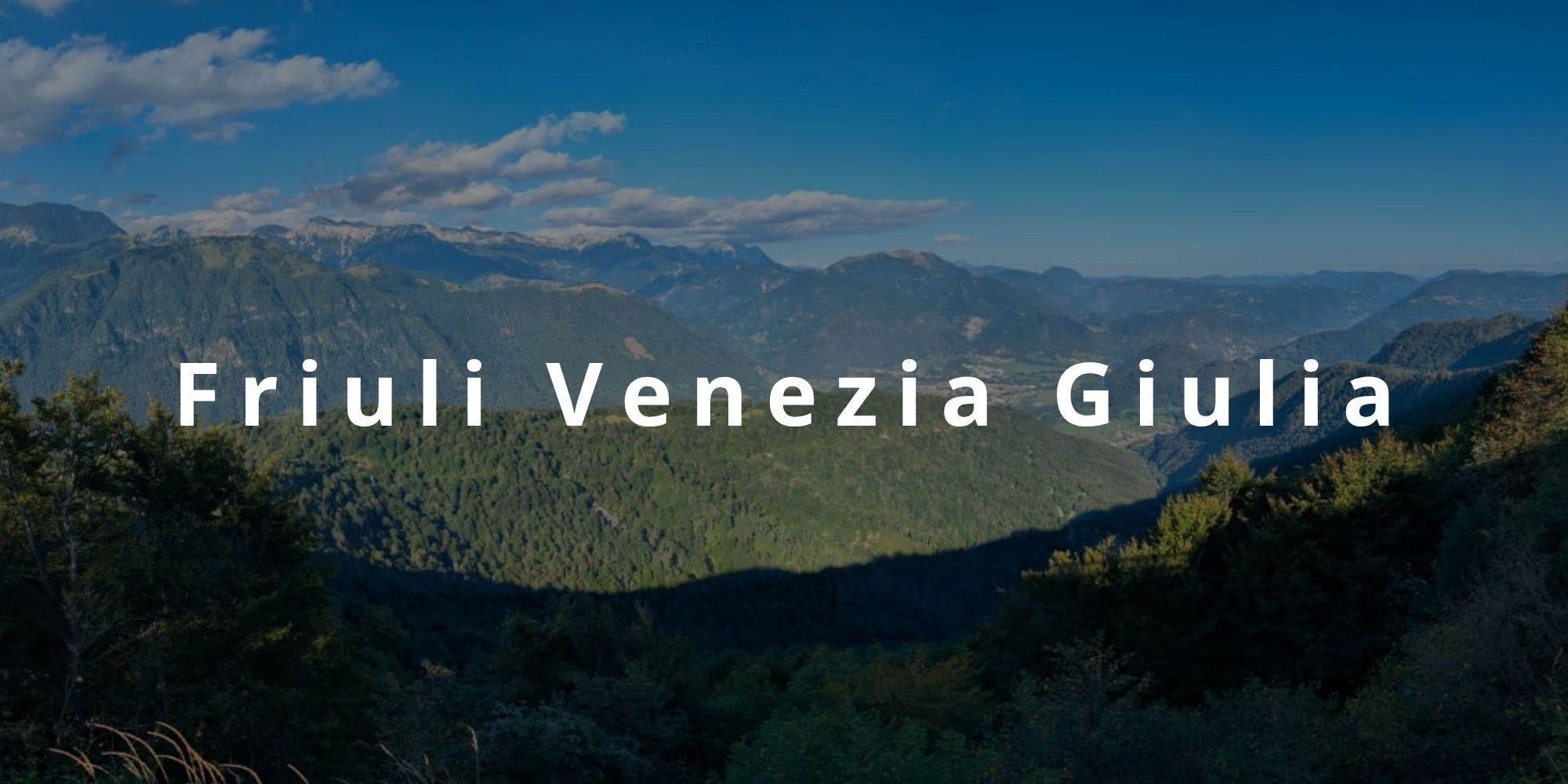
What makes it even more special is the incredible variety of the space. In Friuli, you have every landscape you could ever want roughly an hour’s drive away. From alpine mountains to the sea, but not forgetting emerald rivers, vineyard-covered hills, caves and historic towns.
So, if you are planning to spend some time here, I wrote a little guide of 10 things, touristy and non, I would recommend doing!
The heat isn’t by your side? Skip the obvious beach day
One of my favorite things about summer in Friuli Venezia Giulia is that you don’t actually need a beach to cool down. Because let’s be clear: here, the sea isn’t always crystal clear.
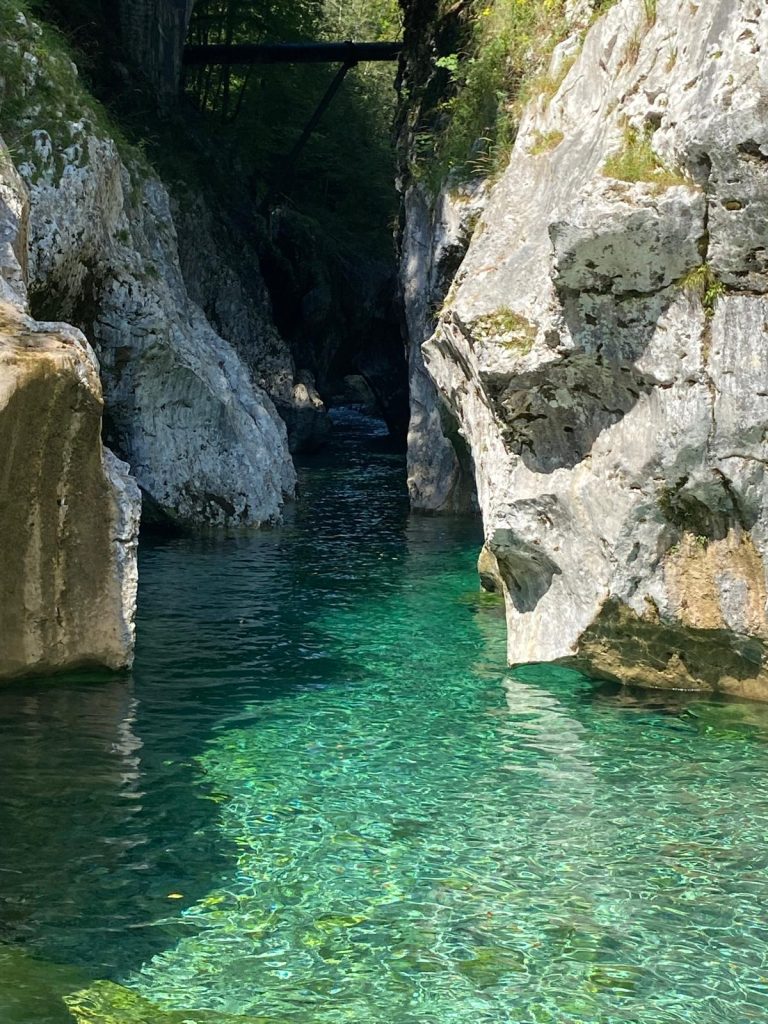
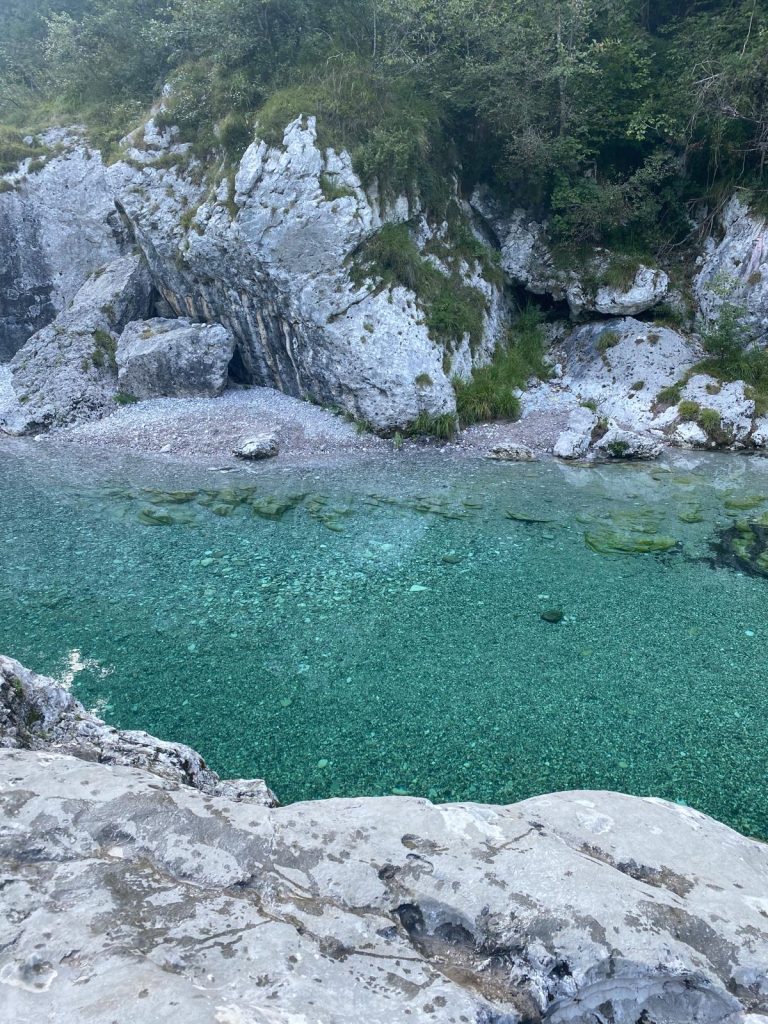
However, there is something much better. The region is full of rivers, valleys and emerald pools where you can spend the day surrounded by nature and truly turquoise water. Head to Tagliamento, Palâr or Val d’Arzino, for example.
Don’t be scared of the cold water: I promise it’s not that bad as soon as you acclimatize a little. Bring a towel, a swimsuit and some snacks—that is pretty much all you need.
Go to a local sagra
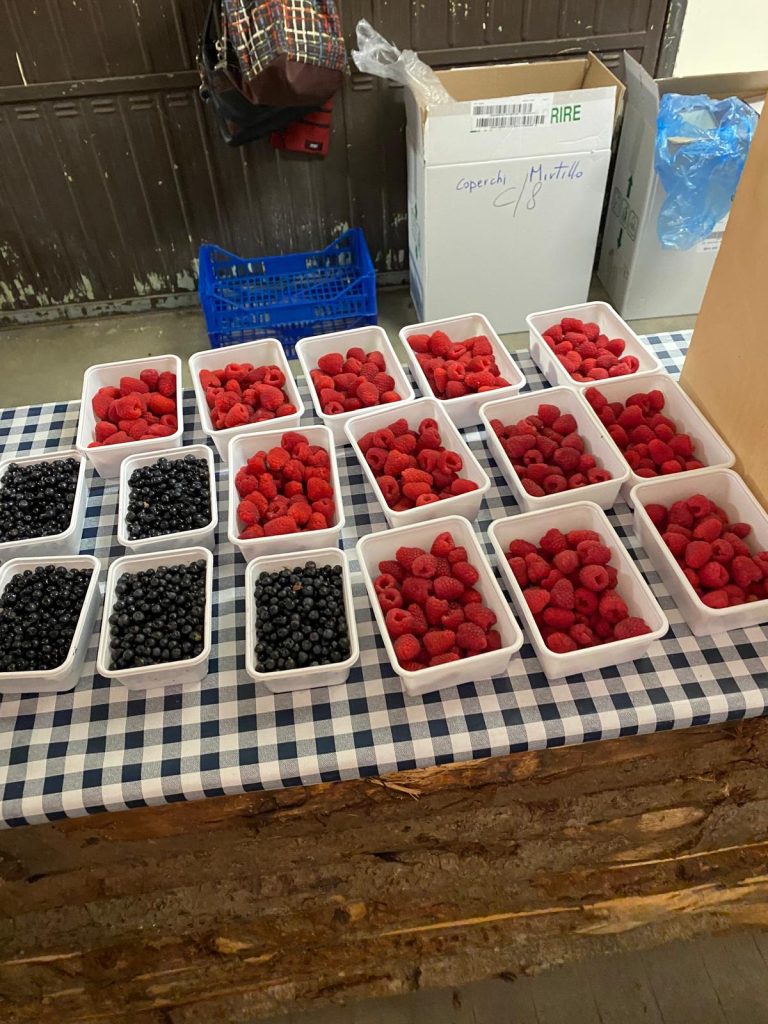
If you really want to experience Friuli, go to a sagra. During summer, small towns all over the region organize festivals dedicated to local food and traditions. Some great examples are the Festa del Lampone (Raspberry Festival) in Avasinis or the Festa del Frico in Carpacco, but there are dozens more almost every weekend.
It might not sound like the most exciting thing on paper, but trust me: a summer evening here, eating something homemade while sitting outside on wooden benches with live music and friends around you, is one of those experiences that feels very Friulian.
Eat your way through Friuli and go wine tasting
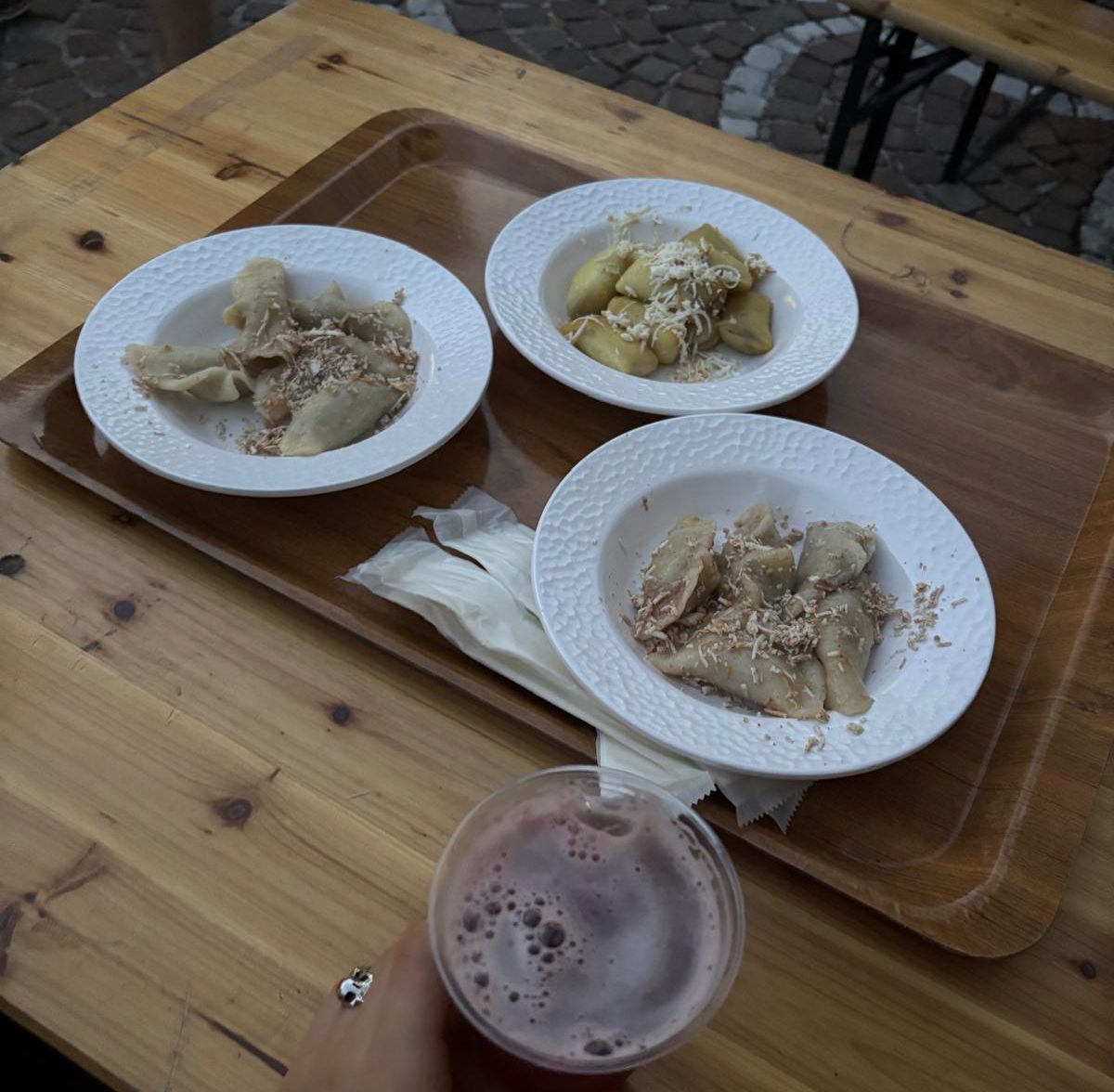
Try frico (a warm dish made of melted cheese and potatoes), the world-famous prosciutto in San Daniele del Friuli, taste local cheeses and don’t leave without ordering something unusual at a local agriturismo—like cjarsons (sweet-and-savory stuffed pasta from the mountains) or a wild-herb risotto with sclopit.
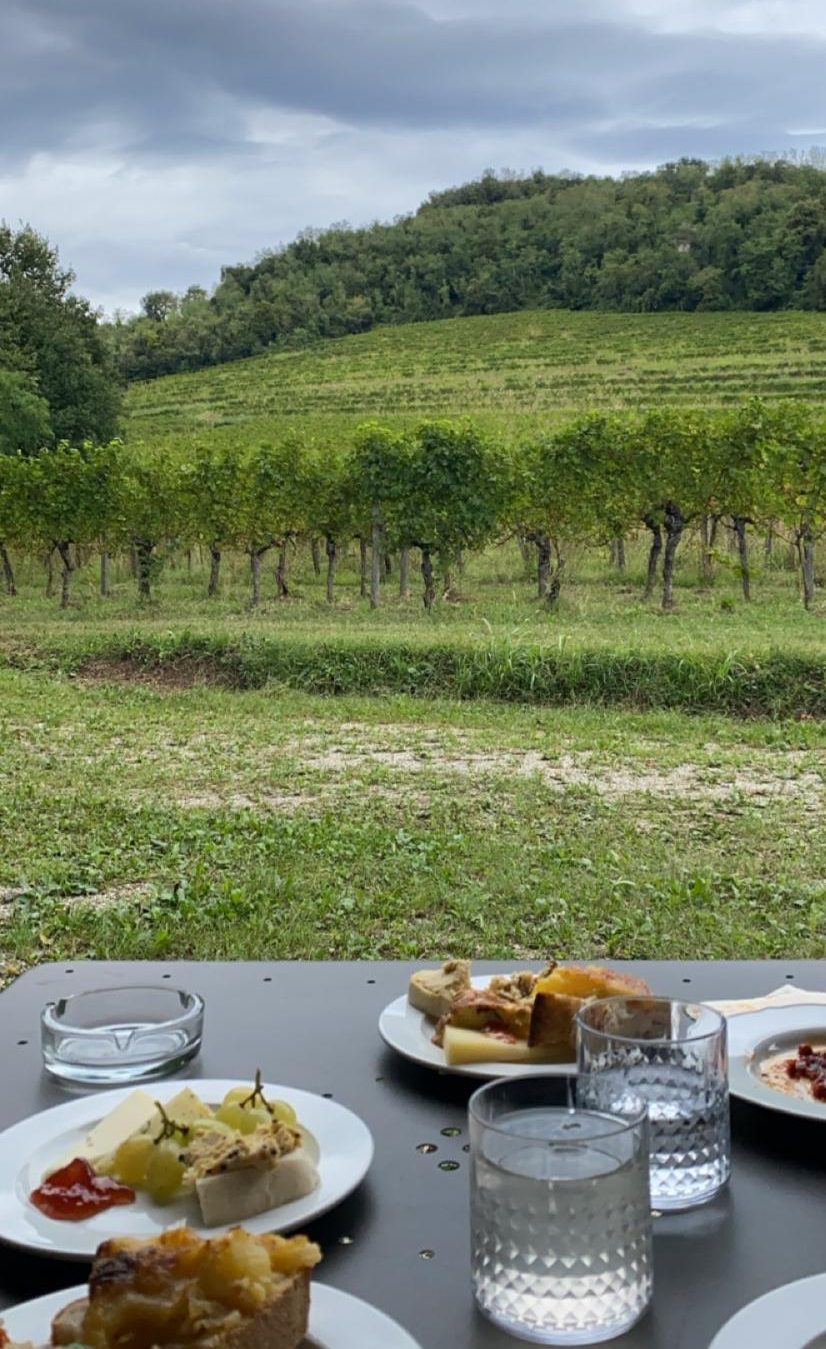
Obviously, pair everything with a good glass of wine. You cannot really talk about Friuli without talking about its vineyards.
From Collio to Friuli Grave, both DOC wine regions, vineyards are everywhere, and summer is one of the best times to visit them.
Book a wine tasting, sit outside surrounded by vines and take your time—basically the perfect summer afternoon.
Enjoy a journey underground into the caves
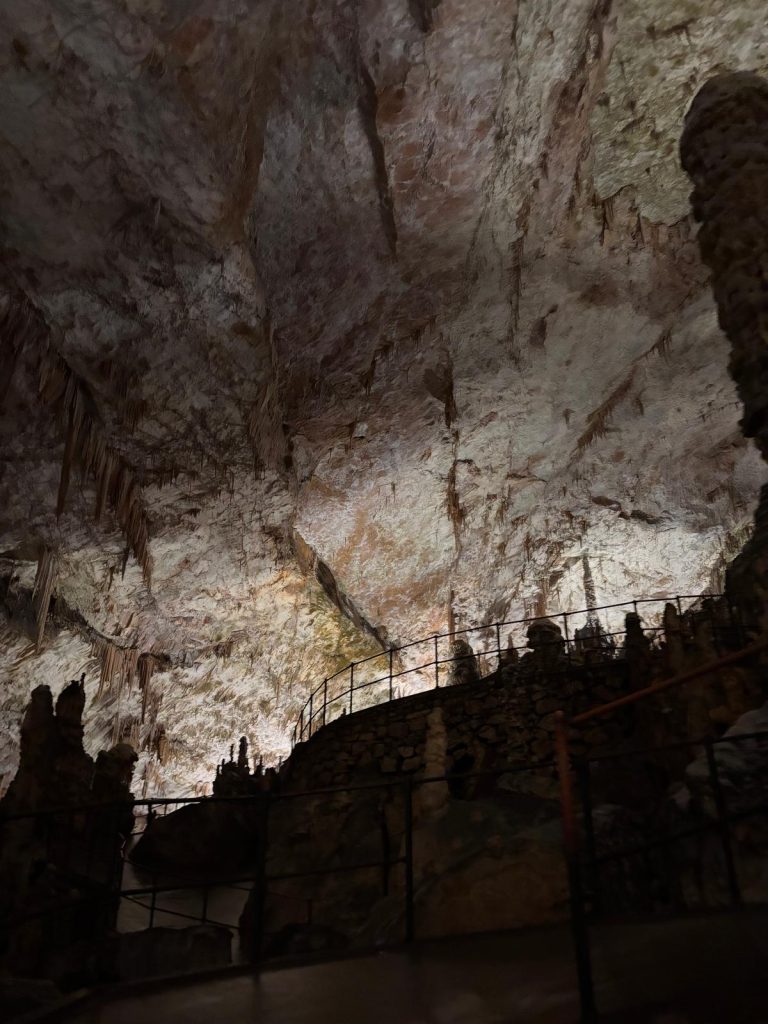
When the summer heat reaches its peak, step underground. Friuli’s karst landscape hides some of the most spectacular cave systems in Europe.
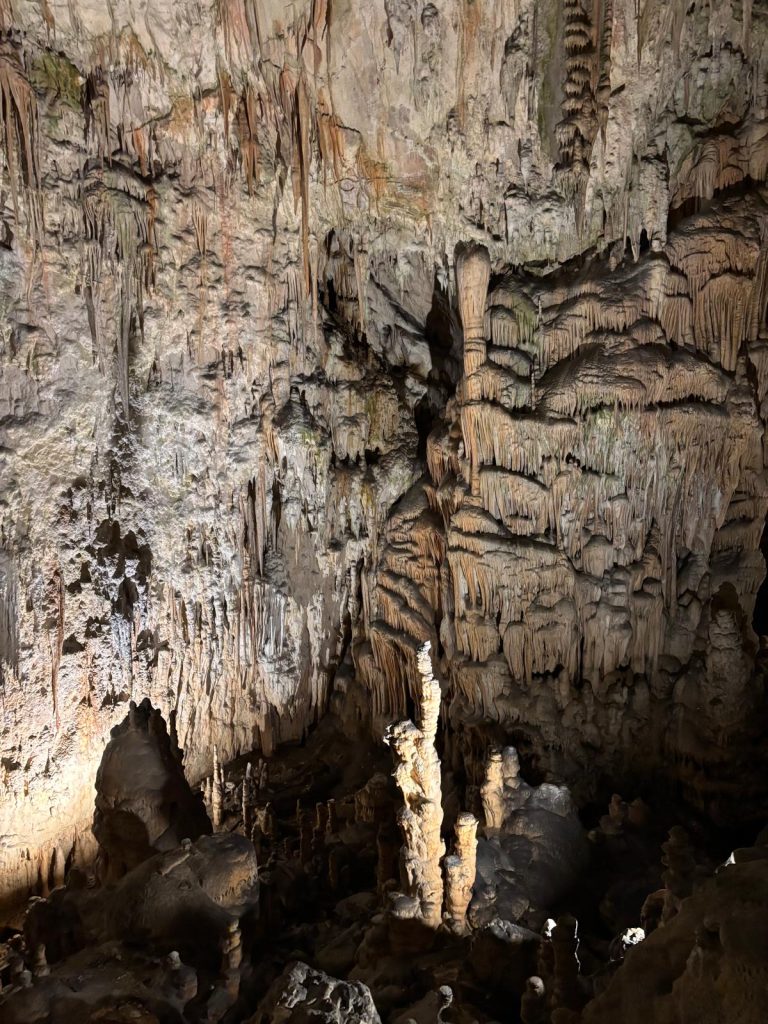
The most famous is the Grotta Gigante near Trieste, a cave that holds a Guinness World Record for its massive central hall. If you prefer something wilder, head toward the Grotte di Pradis in the Carnic Prealps, where you can walk through hundreds of cavities of karst origin, uncontaminated nature and underground waterfalls.
Step into Friuli’s Lombard past in Cividale
Cividale del Friuli is one of those places that is easy to underestimate if you have grown up nearby.
The historic center, the Ponte del Diavolo (Devil’s Bridge) over the Natisone river, and the UNESCO-listed Tempietto Longobardo make it a fascinating place. The city was founded by Julius Caesar and later became the capital of the first Lombard duchy in Italy.
So, as you can see, there is a lot more history here than you might expect from such a small town.
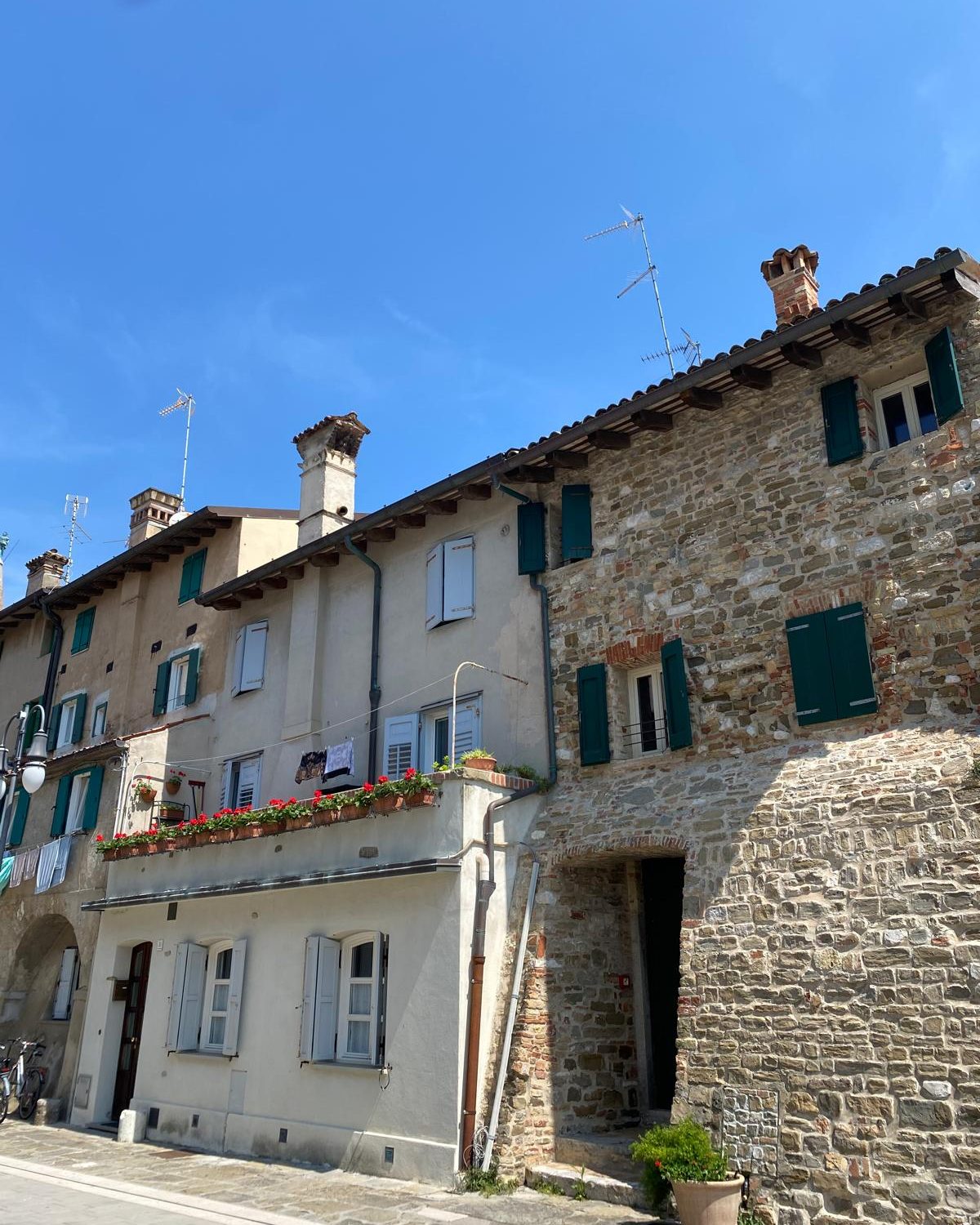
Spend a day in Grado
Let’s be honest: nobody comes to Friuli for mind-blowing sea, and Grado is no exception. So there has to be something else to see.
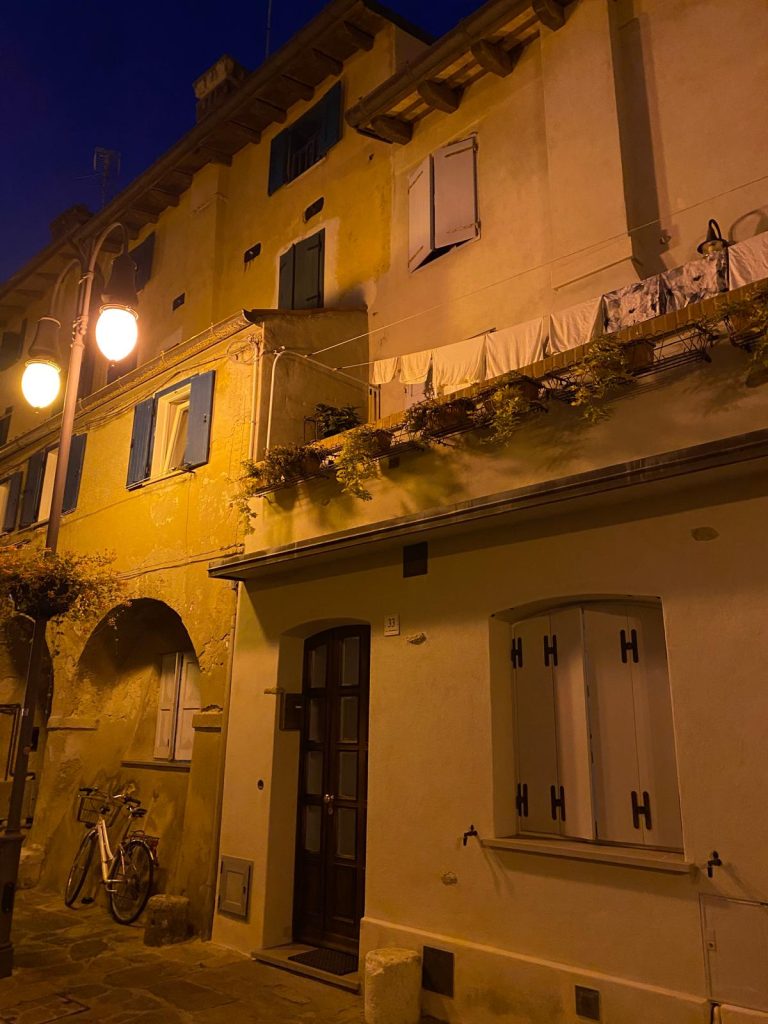
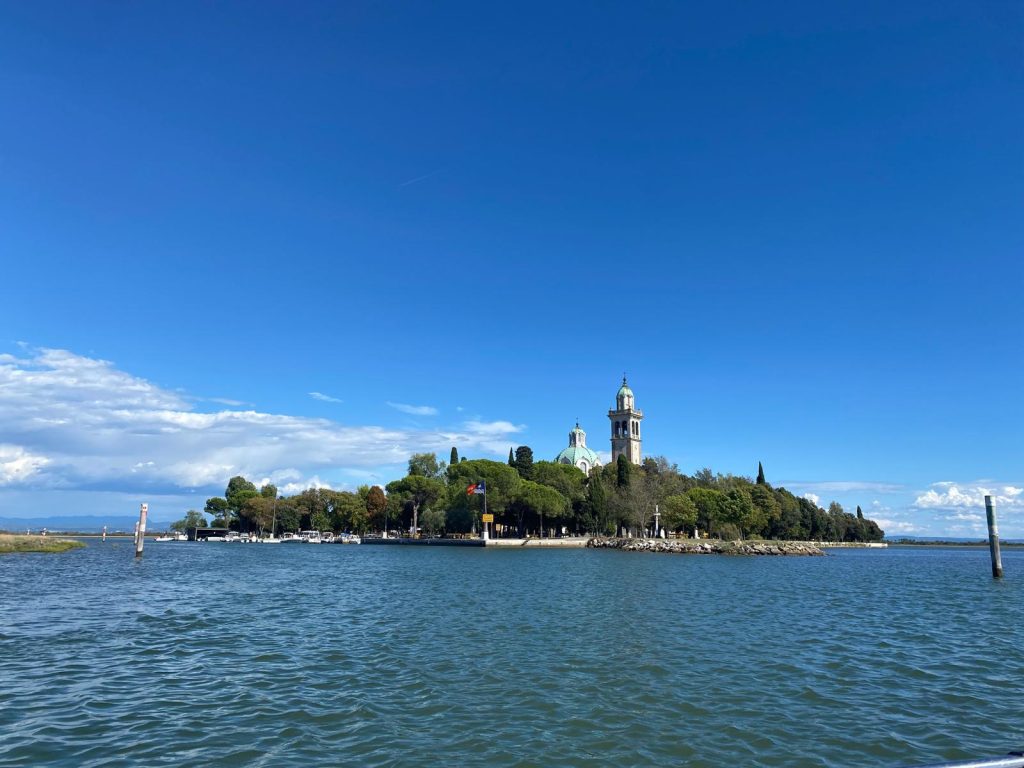
In Grado, that “something else” is the town itself, situated along the lagoon. Stop for lunch and enjoy a relaxed afternoon. Then you can walk around the old town and simply get lost in the little streets.
What I love is that nothing ever feels too rushed—it gives you that quiet dolce far niente vibe, without the overwhelming crowds.
Experience Trieste
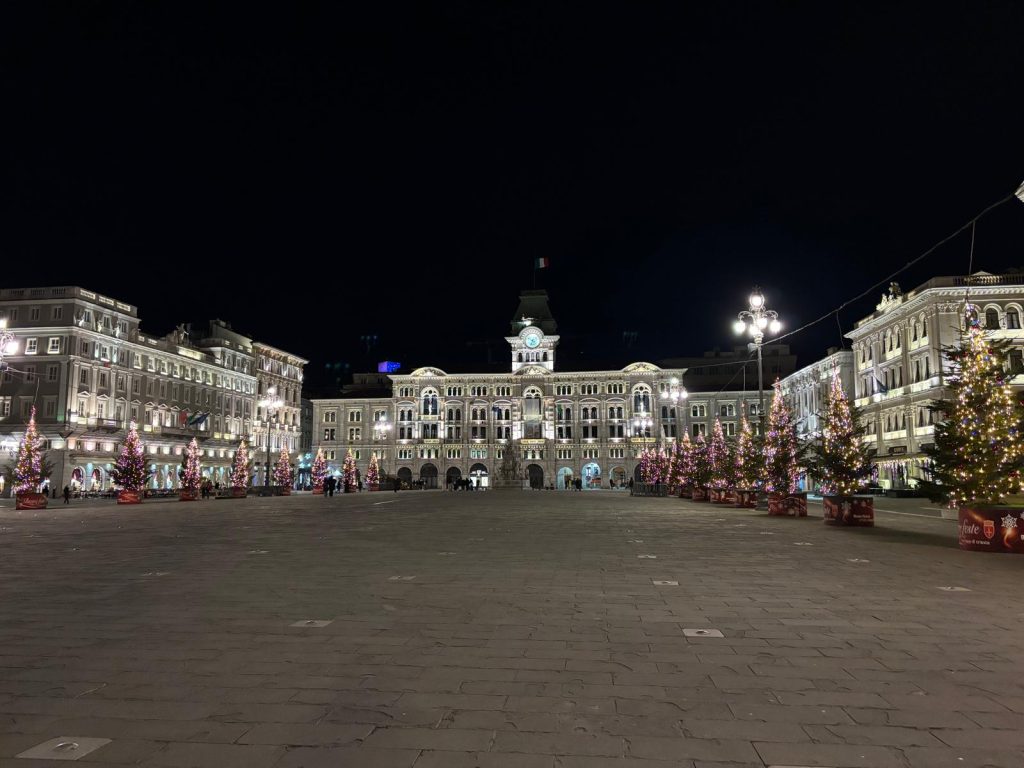
Technically, Trieste deserves an article of its own, but I could not leave it out. The city feels completely different from the rest of Friuli Venezia Giulia, since it’s Austro-Hungarian influence.
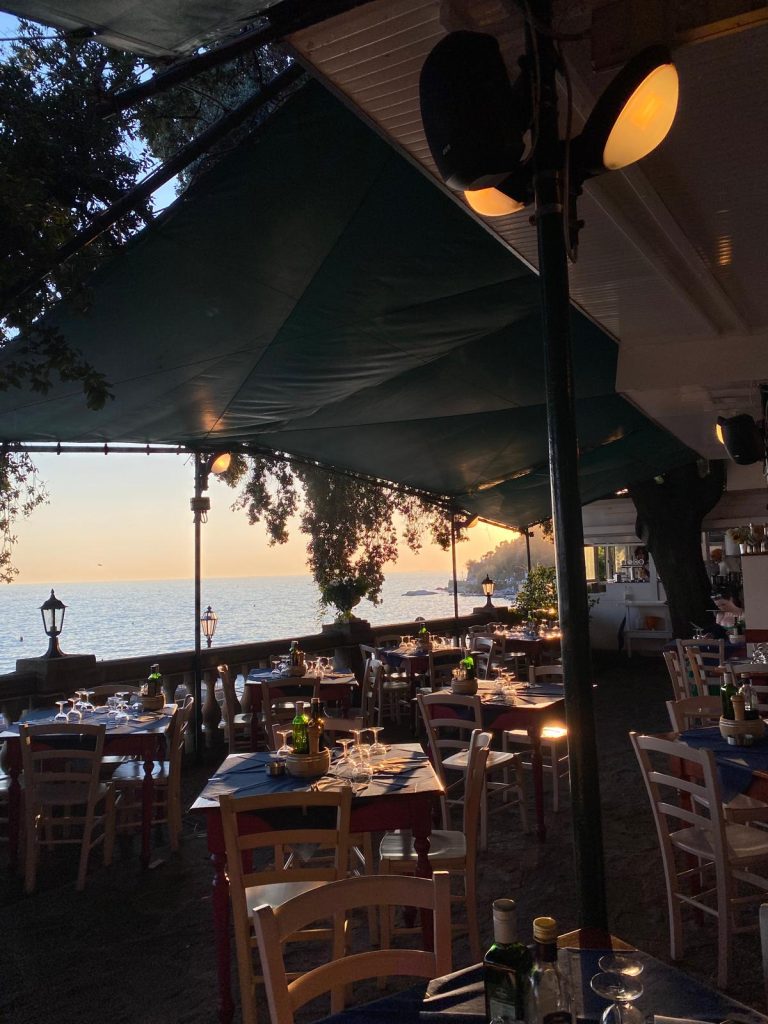
Walk around Piazza Unità d’Italia, stop for a coffee at the historic caffè degli Specchi, visit Miramare Castle, and end the day at Barcola (coastal neighborhood) watching the sunset over the Adriatic.
Oh, and let’s not forget that it has probably the best sea swimming spots in Friuli… Just pay attention to the jellyfish!
Walk Through Ancient Rome in Aquileia
Aquileia was once one of the biggest and wealthiest cities in the entire Roman Empire. Today, it is an open-air archaeological park surrounded by peaceful cypress trees.
But it’s not only about Roman ruins: Aquileia was also one of the most important centers of early Christianity in Europe. Because of this, its most admired monument remains the Basilica, which preserves the largest paleochristian floor mosaic in the Western world.
Escape to the mountains
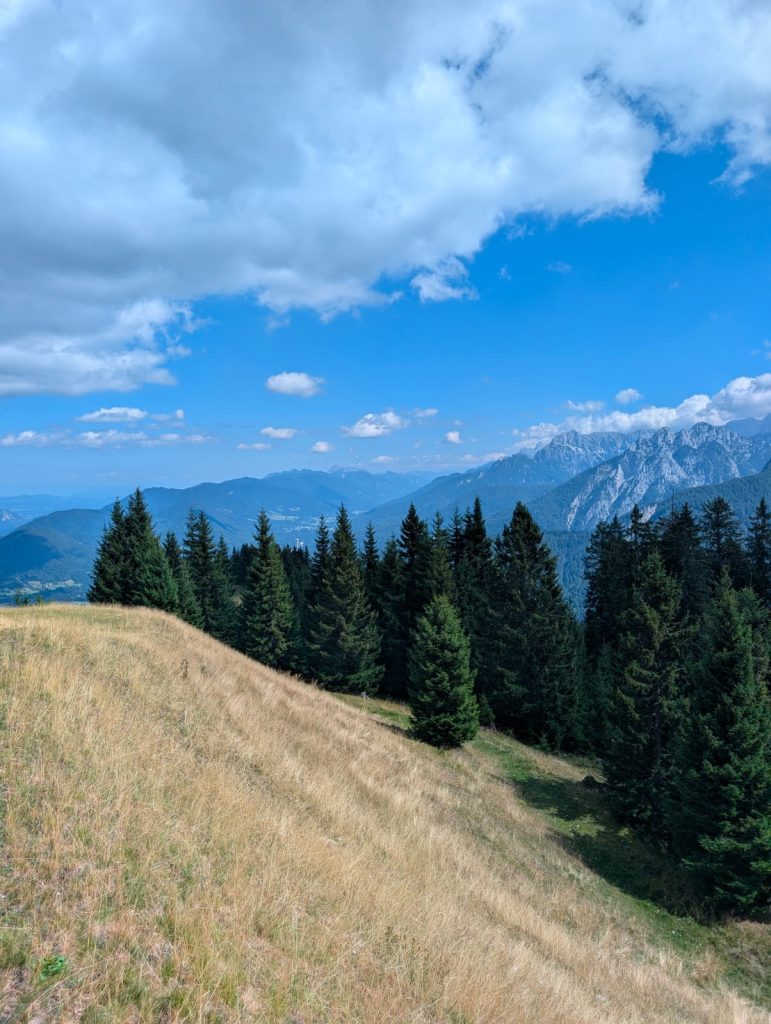
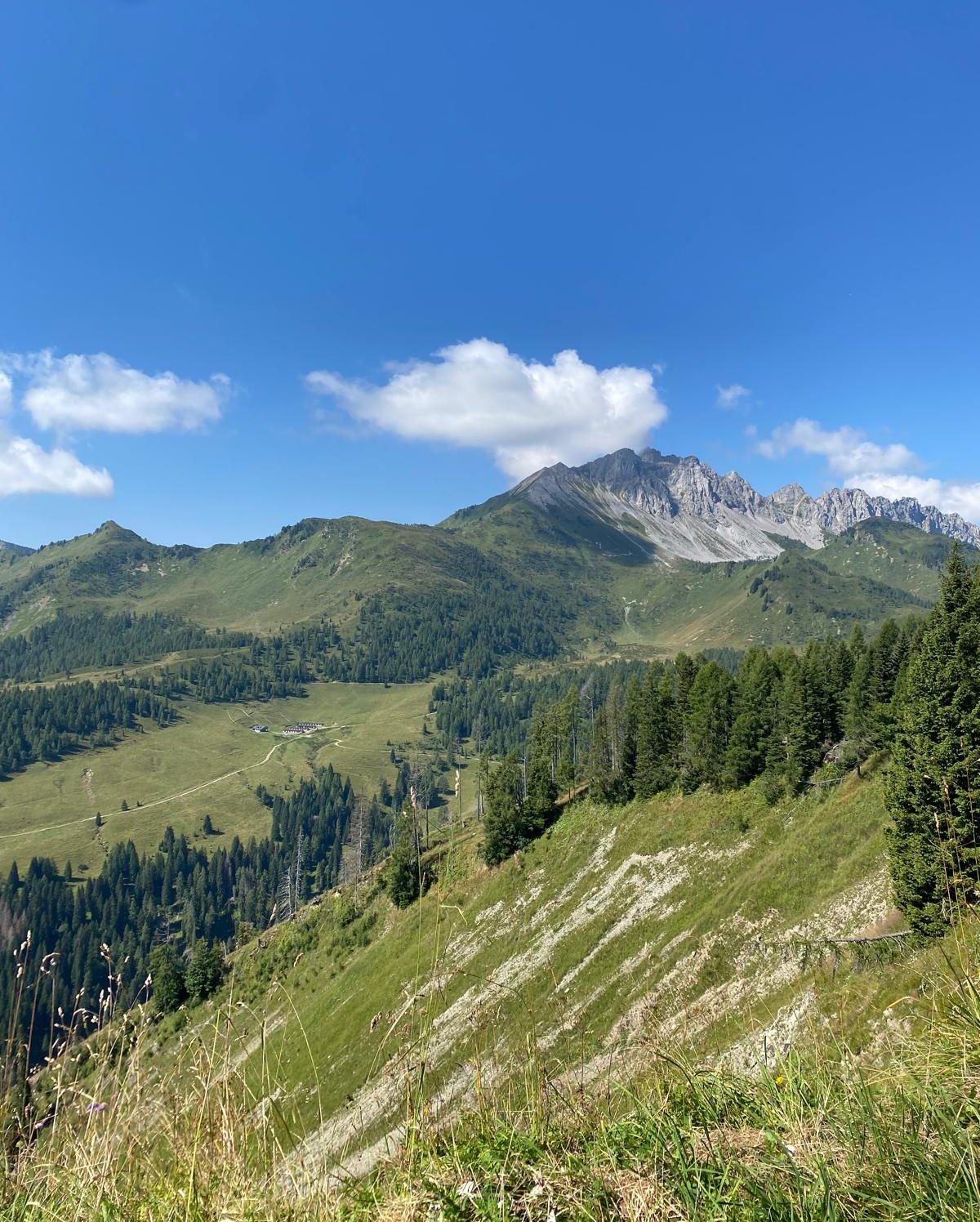
If there is one thing Friuli does not lack, it is mountains. You can spend the day hiking one of the many quiet trails in the Friulian Dolomites, or simply drive up and have lunch at a mountain rifugio.
For something a little more magical, head to the Laghi di Fusine near the Slovenian border. Surrounded by Julian Alps, these twin glacial lakes look almost unreal, especially on a clear summer day when the peaks reflect perfectly on the turquoise surface.
You do not necessarily need to be a serious hiker—I am definitely not. Sometimes the best plan is just getting up there, walking around and enjoying the mountain air.
Discover Venzone
Venzone is a medieval village with a story unlike any other. Entirely destroyed during the catastrophic 1976 earthquake, the town was patiently rebuilt stone by stone exactly as it was.
This sad event makes it a symbol of rebirth.
It’s also famous for something unusual: the Mummies of Venzone, a collection of naturally preserved mummies dating back centuries, located in the Chapel of San Michele right opposite the Cathedral.
Stroll through the historical center and step into local artisanal shops. There’s also plenty of nature surrounding the village: walk up the nearby hills and admire the vibrant colors of the Pradulin springs.
What I missed most?
The pace. Friuli is not necessarily the kind of place that makes you feel like you have to constantly be doing something. It is more about taking your time, sitting at a table for a little too long, driving through the mountains without a real destination or spending a day by a river.
Maybe when you grow up here, you do not notice how special that is. You only realize it once you leave.
10 cose da fare in Friuli Venezia Giulia d’estate
Devo ammetterlo: andare via dal Friuli mi ha fatto apprezzare ancora di più la sua tranquillità e bellezza.
Quando cresci in un posto, è abbastanza facile darlo per scontato. I luoghi che hai sempre visto diventano parte della tua quotidianità, quindi smetti di notarli. Le montagne sono semplicemente lì, il fiume è semplicemente il fiume e andare in un piccolo paese per una sagra locale è semplicemente quello che fai in un weekend d’estate.
È stato solo dopo essermi trasferita che ho iniziato a guardare il Friuli in modo diverso. Mi sono resa conto di quanto ci sia in realtà da vedere, mangiare e vivere, soprattutto durante i mesi estivi.
Ciò che lo rende ancora più speciale è l’incredibile varietà del territorio. In Friuli hai praticamente ogni paesaggio che potresti desiderare a circa un’ora di macchina. Dalle Alpi al mare, senza dimenticare fiumi color smeraldo, valli ricoperte di vigneti, grotte e città storiche.
Quindi, se state pensando di passare un po’ di tempo qui, ho scritto una piccola guida con 10 cose, più o meno turistiche, che vi consiglierei di fare!
Il caldo non è dalla vostra parte? Lasciate perdere la classica giornata al mare
Una delle cose che preferisco dell’estate in Friuli Venezia Giulia è che non serve per forza il mare per rinfrescarsi. Bisogna essere chiari: qui il mare non è sempre cristallino.
C’è però qualcosa di molto meglio. La regione è piena di fiumi, valli e piscine naturali color smeraldo dove passare la giornata immersi nella natura e in un’acqua davvero turchese. Per esempio, potete andare sul Tagliamento, al Palâr o in Val d’Arzino.
Non abbiate paura dell’acqua fredda: vi prometto che dopo esservi abituati un po’ non è poi così terribile. Portate un asciugamano, un costume e qualche snack—praticamente non vi serve altro.
Andate a una sagra
Se volete davvero vivere il Friuli, andate a una sagra. Durante l’estate, piccoli paesi in tutta la regione organizzano feste dedicate al cibo e alle tradizioni locali. Alcuni esempi sono la Festa del Lampone ad Avasinis o la Festa del Frico a Carpacco, ma ce ne sono tantissime altre quasi ogni weekend.
Sulla carta potrebbe non sembrare la cosa più entusiasmante del mondo, ma fidatevi: una sera d’estate qui, mangiando qualcosa di fatto in casa seduti all’aperto su panche di legno, con musica dal vivo e amici intorno, è una di quelle esperienze che sembrano molto friulane.
Gustate il Friuli e andate a fare una degustazione di vini
Provate il frico (un piatto caldo a base di formaggio fuso e patate), il famoso prosciutto di San Daniele del Friuli, assaggiate i formaggi locali e non andate via senza aver ordinato qualcosa di un po’ particolare in un agriturismo, come i cjarsons (una pasta ripiena dolce e salata tipica della Carnia) o un risotto alle erbe selvatiche con lo sclopit.
Ovviamente, abbinate tutto a un buon calice di vino. Non si può davvero parlare del Friuli senza parlare dei suoi vigneti.
Dal Collio al Friuli Grave, entrambe zone DOC, i vigneti sono praticamente ovunque e l’estate è uno dei momenti migliori per visitarli.
Prenotate una degustazione, sedetevi all’aperto circondati dalle vigne e prendetevi tutto il tempo che vi serve: praticamente il pomeriggio estivo perfetto.
Fate un viaggio sottoterra nelle grotte
Quando il caldo estivo raggiunge il suo picco, scendete sottoterra. Il paesaggio carsico del Friuli nasconde alcuni dei sistemi di grotte più spettacolari d’Europa.
La più famosa è la Grotta Gigante vicino a Trieste, una grotta che ospita una sala centrale enorme, entrata nel Guinness World Records. Se invece preferite qualcosa di più selvaggio, dirigetevi verso le Grotte di Pradis nelle Prealpi Carniche, dove potrete camminare tra centinaia di cavità di origine carsica, natura incontaminata e cascate sotterranee.
Entrate nel passato longobardo del Friuli a Cividale
Cividale del Friuli è uno di quei posti che è facile sottovalutare se si è cresciuti vicino.
Il centro storico, il Ponte del Diavolo sul fiume Natisone e il Tempietto Longobardo, patrimonio UNESCO, la rendono una città davvero affascinante. La città fu fondata da Giulio Cesare e in seguito divenne la capitale del primo ducato longobardo in Italia.
Quindi, come potete vedere, c’è molta più storia di quanto ci si potrebbe aspettare da una cittadina così piccola.
Passate una giornata a Grado
Diciamocelo: nessuno viene in Friuli per un mare da togliere il fiato, e Grado non fa eccezione. Quindi deve esserci qualcos’altro da vedere.
A Grado, quel “qualcos’altro” è proprio il paese, situato sulla laguna. Fermatevi a pranzo e godetevi un pomeriggio tranquillo. Poi fate un giro per il centro storico e semplicemente perdetevi tra le piccole strade.
Quello che mi piace di più è che niente sembra mai frenetico—ha quella tranquilla atmosfera da dolce far niente, senza la folla opprimente.
Vivete Trieste
Tecnicamente, Trieste meriterebbe un articolo tutto suo, ma non potevo lasciarla fuori. La città sembra completamente diversa dal resto del Friuli Venezia Giulia, grazie alla sua influenza austro-ungarica.
Fate una passeggiata in Piazza Unità d’Italia, fermatevi per un caffè allo storico Caffè degli Specchi, visitate il Castello di Miramare e concludete la giornata a Barcola, guardando il tramonto sull’Adriatico.
Ah, e non dimentichiamoci che probabilmente ha i posti migliori dove fare il bagno al mare in tutto il Friuli… Fate solo attenzione alle meduse!
Fate un salto nell’antica Roma ad Aquileia
Aquileia è stata una delle città più grandi e ricche dell’intero Impero Romano. Oggi è un parco archeologico a cielo aperto circondato da cipressi.
Ma non si tratta solo di rovine romane: Aquileia è stata anche uno dei centri più importanti del primo cristianesimo in Europa. Per questo, il suo monumento più ammirato rimane la Basilica, che conserva il più grande pavimento a mosaico paleocristiano dell’Occidente.
Scappate in montagna
Se c’è una cosa che in Friuli non manca, sono le montagne. Potete passare la giornata facendo trekking lungo uno dei tanti sentieri delle Dolomiti Friulane, oppure semplicemente salire in macchina e pranzare in un rifugio.
Per qualcosa di un po’ più magico, dirigetevi verso i Laghi di Fusine, vicino al confine con la Slovenia. Circondati dalle Alpi Giulie, questi due laghi glaciali sembrano quasi surreali, soprattutto in una giornata estiva limpida, quando le montagne si riflettono perfettamente sulla superficie turchese dell’acqua.
Non serve necessariamente essere escursionisti esperti—io non lo sono per niente. A volte il piano migliore è semplicemente arrivare fin lassù, fare una passeggiata e godersi l’aria di montagna.
Scoprite Venzone
Venzone è un borgo medievale con una storia diversa da qualsiasi altro. Completamente distrutto durante il devastante terremoto del 1976, il paese è stato pazientemente ricostruito pietra per pietra, esattamente com’era.
Questo tragico evento lo ha reso un simbolo di rinascita.
È anche famoso per qualcosa di decisamente insolito: le Mummie di Venzone, una collezione di mummie naturalmente conservate risalenti a diversi secoli fa, che si trovano nella Cappella di San Michele proprio di fronte al Duomo.
Passeggiate per il centro storico ed entrate nelle botteghe degli artigiani locali. Anche la natura intorno al paese merita di essere esplorata: potete salire sulle colline vicine e ammirare i colori vivaci delle Risorgive del Pradulin.
Cosa mi è mancato di più?
La tranquillità. Il Friuli non è il tipo di luogo che ti fa sentire in dovere di fare qualcosa in continuazione. È più una questione di prendersi il proprio tempo, stare seduti a tavola un po’ più a lungo del previsto, guidare attraverso le montagne senza una vera destinazione o passare una giornata sul fiume.
Forse quando cresci qui non ti rendi conto di quanto sia speciale. Te ne accorgi solo quando te ne vai.
Per approfondire:
– Udine.
Photo credits: foto personali