Everyone is obsessed with the balletcore fashion trend, but has anyone actually gone to the ballet?
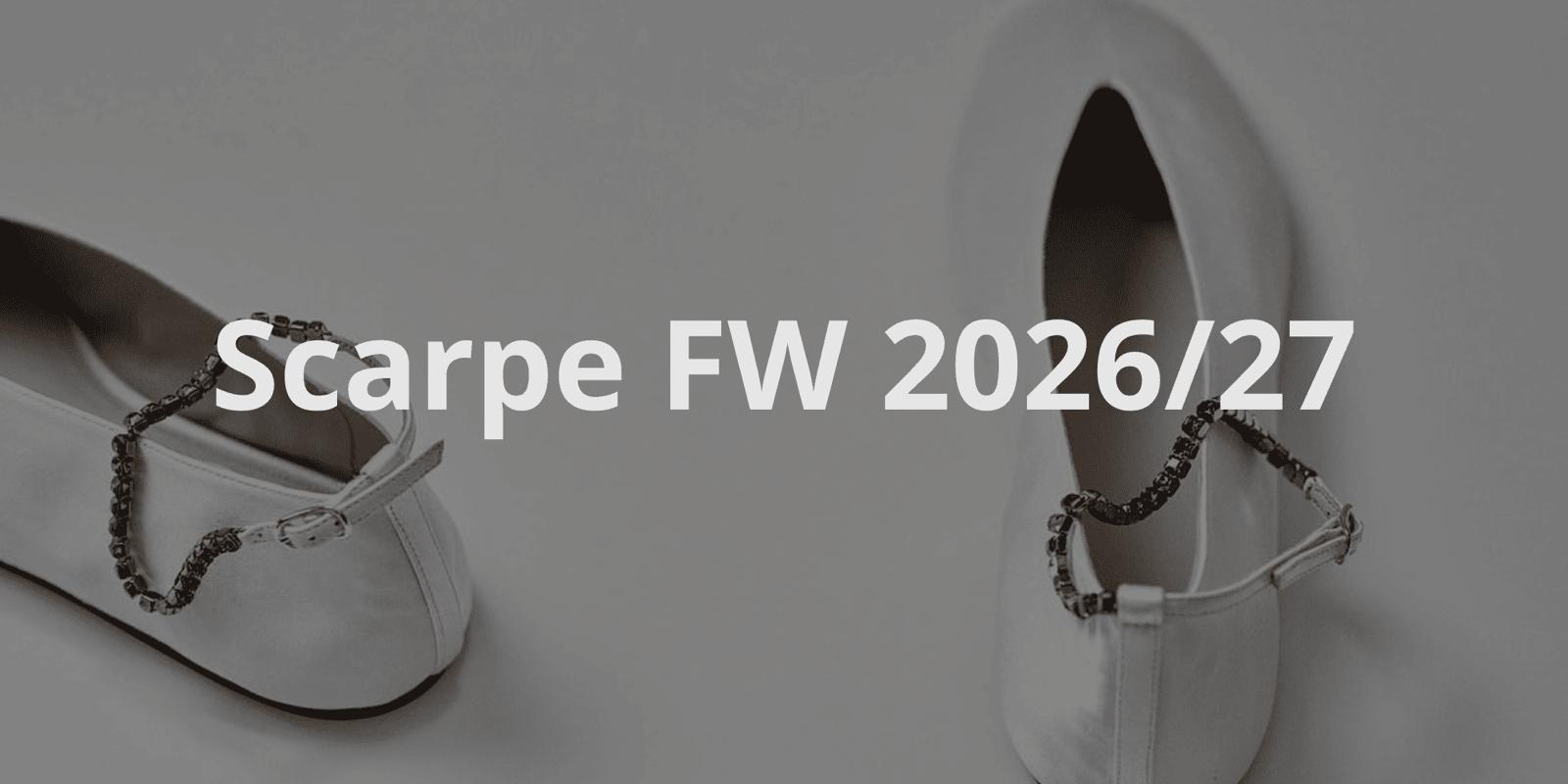
Miu Miu’s satin ballet flats, Christian Louboutin’s Cassia pumps and Valentino’s Rockstud ballet flats are just a few of the most recognizable examples of the moment. Yet the trend extends far beyond footwear, embracing tulle skirts, delicate ribbons, wrap cardigans, and other romantic details borrowed from classical ballet.
While ballet is everywhere in our wardrobes, it seems to be completely absent from our cultural habits.
Before exploring this contradiction, a bit of context is necessary.
Recently, I’ve attended “The Sleeping Beauty” ballet at La Scala, an experience that had been in my personal wish list for such a long time.
By entering the historic Teatro alla Scala, it seems like stepping out of the chaotic rhythm of the city: the elegance of the space, with crystal chandeliers glowing above the audience, red velvet covering boxes and seats, gold-leaf decorations that frame the hall…


Despite it being considered economically inaccessible, ballet at La Scala is not entirely out of reach for young people.
Indeed, to make it increasingly accessible, the theater offers reduced tickets for under-18s, over-65s and students under 26 on selected evenings. In addition, the Under 30/35 program – a €10 season pass – opens the door to reductions of up to 70%, along with dedicated previews and guided tours.
Yet, these initiatives often remain unnoticed, perhaps not for lack of interest, but because younger generations still perceive this world as something not actually meant for them.
For sure, ballet demands time, attention, patience and silence, which might not be possible in an era where the attention span can’t get over 15 seconds of Instagram or TikTok videos.
However, once inside the theater, something shifts – trust me. The anticipation as the curtain slowly rises, the collective hush, the gaze fixed exclusively on the stage. Below it, the orchestra pit plays music in unison. The dancers seem almost suspended in air, their movements elegant, weightless, perfectly aligned with the music’s beats.
What strikes the most is not only the precision of their technique, but the sense of calm they create. A quiet, slow and delicate beauty that stands in sharp contrast to the urgency, noise and anxiety of city life.


Call me old fashioned but I didn’t expect to feel so moved.
There was nothing to understand, no effort was required: the dancers’ bodies spoke before my mind could begin to search for meaning. Yes, I knew the story – it’s a classic, after all – but the choreography by Rudolf Nureyev was better than the narrative. Each gesture carried an emotional weight that words could never capture. In that suspended moment, ballet was no longer something to analyze, but something to feel, without filters.
But maybe it’s better like this.
Maybe ballet doesn’t need to become trendy. It’s not meant to be reduced to an aesthetic. It deserves presence, attention and willingness to sit in silence and let beauty unfold without interruption. Ballet is an experience that has to be lived, not a trend to follow.
So maybe the real question is not why young people don’t go to the ballet, but why, even though we’re all so obsessed with its image, we all seem to forget about it.

Tutti sembrano ossessionati dal trend del balletcore, ma qualcuno è mai andato davvero a vedere un balletto?
Le ballerine in raso di Miu Miu, le décolleté Cassia di Christian Louboutin e le ballerine Rockstud di Valentino sono solo alcuni degli esempi più in voga al momento. Eppure, il trend va ben oltre le scarpe, con gonne in tulle, fiocchetti in raso, scaldacuore e altri dettagli romantici presi in prestito dal balletto classico.
Prima di esplorare questa contraddizione, è necessaria una breve premessa.
Di recente ho assistito al balletto “La Bella Addormentata” alla Scala, un’esperienza che era nella mia wish list personale da molto tempo.
Entrare nello storico Teatro alla Scala è come uscire dal ritmo frenetico della città: l’eleganza dello spazio, con i lampadari di cristallo che illuminano il pubblico, il velluto rosso che riveste palchi e poltrone, le decorazioni in foglia d’oro che incorniciano la sala…


Nonostante sia spesso considerato economicamente inaccessibile, il balletto alla Scala non è del tutto fuori dalla portata dei giovani.
Anzi, per renderlo sempre più accessibile, il teatro offre biglietti ridotti per under 18, over 65 e studenti under 26 in alcune serate selezionate. Inoltre, con il programma Under 30/35 – un abbonamento stagionale di €10 – si possono ottenere sconti fino al 70%, oltre ad anteprime dedicate e visite guidate.
Eppure, queste iniziative restano spesso poco conosciute, forse non per mancanza di interesse, ma perché le generazioni più giovani continuano a percepire questo mondo come qualcosa che, in fondo, non è stato pensato per loro.
Sicuramente il balletto richiede tempo, attenzione, pazienza e silenzio, che possono sembrare incompatibili in un’epoca in cui la soglia di attenzione fatica a superare i 15 secondi di un video su Instagram o TikTok.
Però, una volta entrati in teatro, qualcosa cambia – fidatevi. L’attesa mentre il sipario si alza lentamente, il silenzio collettivo, lo sguardo fisso esclusivamente sul palco. Sotto, l’orchestra che suona all’unisono. I ballerini sembrano quasi sospesi in aria, i loro movimenti eleganti, leggeri e perfettamente sincronizzati con il ritmo della musica.
Ciò che mi colpisce di più, non è solo la precisione e la loro tecnica, ma il senso di calma che riescono a creare. Una bellezza lenta e delicata, in netto contrasto con l’urgenza, il rumore e l’ansia tipici della città.

Chiamatemi pure all’antica, ma non pensavo che mi sarei emozionata così.
Non c’era nulla da capire, nessuno sforzo richiesto: i corpi dei ballerini parlavano prima ancora che la mia mente potesse cercare un significato. Sì, conoscevo la storia – è pur sempre un classico – ma la coreografia di Rudolf Nureyev superava la narrazione. Ogni movimento portava con sé un peso emotivo che le parole non avrebbero mai potuto raccontare.
In quel momento, il balletto non era più qualcosa da analizzare, ma qualcosa da sentire, senza filtri.
Ma forse è meglio così.
Forse il balletto non ha bisogno di diventare un trend. Non è destinato ad essere ridotto a un semplice aesthetic. Merita presenza, attenzione e disponibilità a sedersi in silenzio e lasciare che la bellezza riempia la stanza senza interruzioni. Il balletto è un’esperienza che va vissuta, non una moda da seguire.
Quindi forse la vera domanda non è perché i giovani non vanno al balletto, ma perché, se siamo così ossessionati da questa estetica, sembriamo tutti dimenticarcelo.