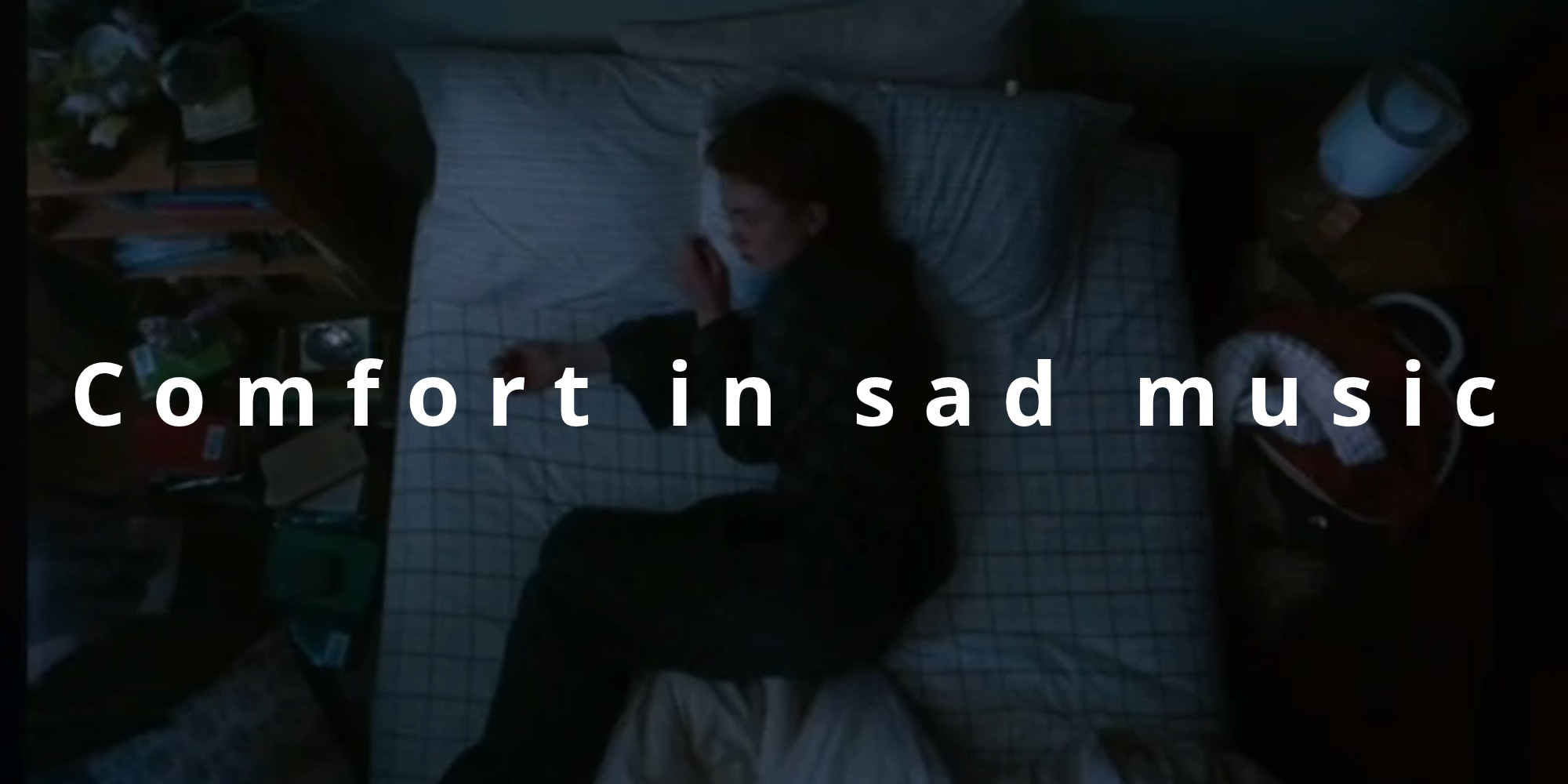
Don’t lie, I bet that during your darkest moments, you isolate yourself, put your headphones on and hit play on the saddest playlist you have.
But have you ever wondered why? Why do we listen to sad music when we’re already feeling down?
It’s a total paradox: if you’re sad, you’re supposed to listen to something cheerful to feel better, right? Instead, we choose to dive even deeper into our pain, listening to those songs we know will completely tear us apart.
Is it a search for empathy? A need to feel understood when we feel completely disconnected from everyone else?
Partly, yes. In these moments, music becomes almost humanized. Suddenly, our emotions—which just a second ago felt unexplainable and chaotic—are being described by someone who doesn’t even know we exist. Yet, there they are, sitting right beside us like a friend, listening without judgment.
It’s no coincidence that our fingers know exactly what to look for when scrolling through our playlists. Our choices are never random: there are songs made specifically for nostalgia, grief, anxiety, friendship or relationship breakups, and even those moments when we feel totally lost. Every single nuance of our pain finds its perfect musical match.
Studies on highly empathetic people (like a well-known Anglo-Finnish research study) show that seeking a reflection of our own melancholy in music is a genuine inner exercise. We use songs as a mirror to name what we’re feeling and to find the tools to process it.
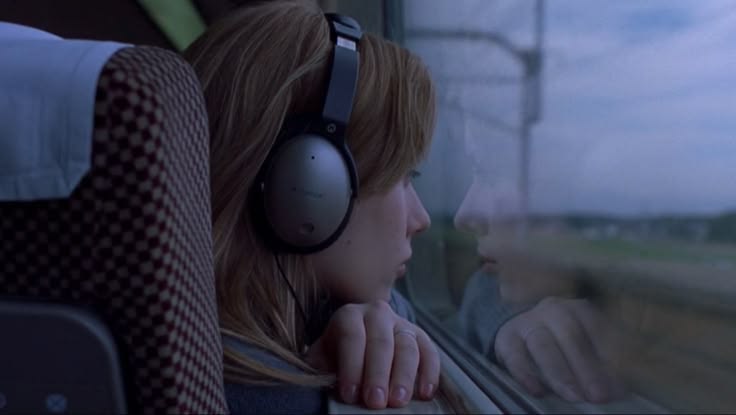
But empathy is only part of the answer.
When we’re hurting, a cheerful song feels almost like an insult, something forcing a smile on our face when we have zero intention of smiling. Sad music, on the other hand, gives us permission to not be okay. It creates a safe space where we can experience and navigate our pain, knowing that the song will eventually end… and maybe take our heartbreak with it.
A 2017 scientific study explained why sad music brings us such a sense of relief. Melancholic songs help tear down the walls we build up out of pride, giving us permission to cry.
And crying, as far as our body is concerned, is actual healing.
Neuroscientist David Huron uncovered another fascinating detail: when we listen to sad music, our brain genuinely believes we’re going through real psychological trauma. To protect and comfort us, it starts releasing prolactin (a soothing hormone linked to crying and emotional balance).
The result? In short, our system gets flooded with a hormone that eases anxiety, restores calm and alleviates suffering, keeping the pain from spiraling out of control.
This explains why crying while listening to a sad song actually feels—paradoxically—good.
That’s why even in music therapy, when working with people dealing with deep depression, doctors often start with sad songs before gradually shifting toward brighter, more cheerful sounds.

Yet, even without knowing all the scientific explanations, the neurochemistry, or the hormones, our body already knew the answer.
Sad songs remind us what it feels like to have a heartbeat. When we feel completely numb, frozen and empty, those notes make our hearts race. They make us cry, they make us want to scream. They trigger a physical reaction that automatically helps us release some of the weight we’ve been carrying around. And finally, they let us let go of everything we tried so hard to hide.
So, considering science, chemistry and our sheer survival instinct, we can keep listening to our saddest playlists in peace. In fact, it might actually be better for us—after all, sometimes you just have to rip it off like a Band-Aid!

Perché troviamo conforto nella musica triste?
Non mentite, sono convinta che anche voi, nei vostri momenti più bui, vi rinchiudete in un angolino, indossate le cuffie e fate partire la playlist più malinconica che ci sia.
Ma vi siete mai chiesti il perché? Perché quando siamo tristi ascoltiamo musica triste?
È proprio un bel paradosso: se sei triste dovresti ascoltare qualcosa di allegro per stare meglio, no? Invece noi scegliamo di tuffarci ancora di più nel nostro dolore, andando ad ascoltare quelle canzoni che sappiamo già ci faranno a pezzi.
Sarà una ricerca di empatia? Il bisogno di sentirci capiti nei momenti in cui ci sentiamo irrimediabilmente distanti da tutti?
In parte sì. La musica, in questi casi, viene quasi personificata: improvvisamente le nostre emozioni—che fino a un secondo prima ci sembravano inspiegabili e caotiche—vengono descritte da qualcuno che non sa nemmeno della nostra esistenza. Eppure è lì, come un amico che ci si siede accanto e ci ascolta senza giudicare.
Effettivamente, non è un caso se le nostre dita sanno esattamente cosa cercare tra le playlist. Le nostre scelte non sono mai casuali: ci sono brani perfetti per la nostalgia, altri per il lutto, per l’ansia, per la fine di un’amicizia o di una relazione, o persino per quei momenti in cui ci sentiamo completamente smarriti. Ogni singola sfumatura del nostro dolore trova una sua corrispondenza sonora perfetta.
Alcuni studi sulle persone più empatiche (come una nota ricerca anglo-finlandese) dimostrano che cercare nella musica il riflesso della nostra stessa malinconia è un vero e proprio esercizio interiore. Usiamo le canzoni come uno specchio per dare un nome a ciò che proviamo e trovare gli strumenti per affrontarlo.

Ma l’empatia è solo una parte della risposta.
Quando stiamo male, una canzone allegra suona quasi come un’offesa, qualcosa che ci forza a sorridere quando non ne abbiamo la minima intenzione. La musica triste, d’altro canto, ci concede il permesso di stare male. Crea uno spazio sicuro in cui possiamo sperimentare e attraversare il dolore sapendo che la canzone, prima o poi, finirà…e magari con lei anche il nostro tormento.
Un’indagine scientifica del 2017 ha spiegato come mai proviamo una sensazione di liberazione con la musica triste. Le canzoni malinconiche infatti, ci aiutano ad abbattere i muri che noi stessi erigiamo con il nostro orgoglio, dandoci il permesso di piangere.
E piangere, per il nostro corpo, è una cura reale.
Il neuroscienziato David Huron ha scoperto un’altra cosa affascinante: quando ascoltiamo brani malinconici, il nostro cervello crede che stiamo affrontando un vero trauma psicologico. Per proteggerci e confortarci, inizia a rilasciare prolattina (un ormone consolatorio legato al pianto e all’omeostasi emotiva).
Il risultato? In poche parole, siamo inondati da un ormone che calma l’ansia, ci regala serenità e attenua la sofferenza, limitandolo e prevenendo che il dolore si intensifichi in modo incontrollabile.
Questo spiega perché piangere durante l’ascolto di una canzone triste risulta, paradossalmente, piacevole.
È per questo che persino in musicoterapia, con chi affronta momenti di profonda depressione, si parte spesso da brani tristi per poi risalire, passo dopo passo, verso suoni più allegri.

Ma anche senza conoscere tutte queste spiegazioni scientifiche, la neurochimica o gli ormoni, il nostro corpo conosceva già la risposta.
Le canzoni malinconiche ci servono a ricordarci cosa si prova ad avere un battito cardiaco. Quando ci sembra di essere completamente anestetizzati, immobili e vuoti, quelle note ci fanno battere il cuore fortissimo. Ci fanno piangere, ci fanno venire voglia di urlare. Provocano una reazione fisica e automaticamente ci aiutano a smaltire parte di quel peso che ci portiamo dentro.
Ci permettono, finalmente, di lasciar andare tutto quello che avevamo cercato di nascondere.
Quindi, vista la scienza, la chimica e il nostro istinto di sopravvivenza, possiamo continuare serenamente ad ascoltare la nostra playlist più malinconica di sempre. Anzi, forse è perfino meglio: come si suol dire, tolto il dente, tolto il dolore!
Foto: Pinterest