For over a century, “Alice’s Adventures in Wonderland” has continued to reappear through fashion, cinema, art and theater. But why are we constantly going back to Wonderland?
Perhaps because it was never just a childish fantasy. Alice herself returns to Wonderland as she grows older, discovering that it was never merely a dream, but a different way of looking at reality. As adults, we begin to recognize ourselves in her desire to escape a world governed by logic, rules and expectations. And that is when her Wonderland slowly becomes ours too.
Obviously, it cannot exist as a physical place—although, if you ever find the rabbit hole, I’m in. Wonderland exists instead as a mental space, somewhere reality’s rules stop functioning. A getaway. A place where we can finally breathe, shutting the door on a world that often feels too rational, too structured, too tight.
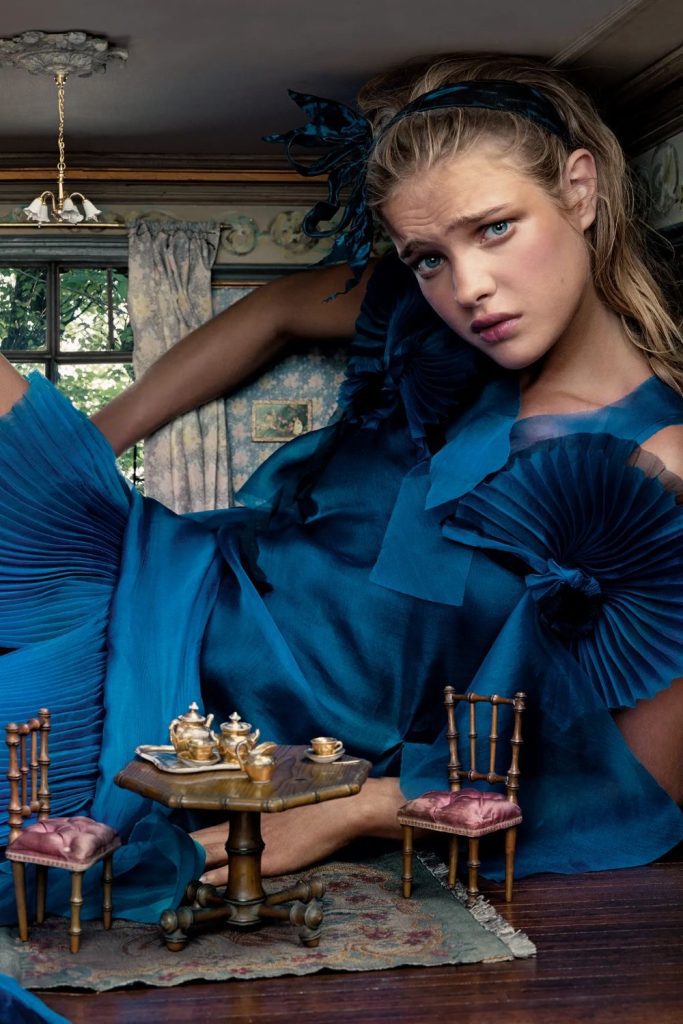
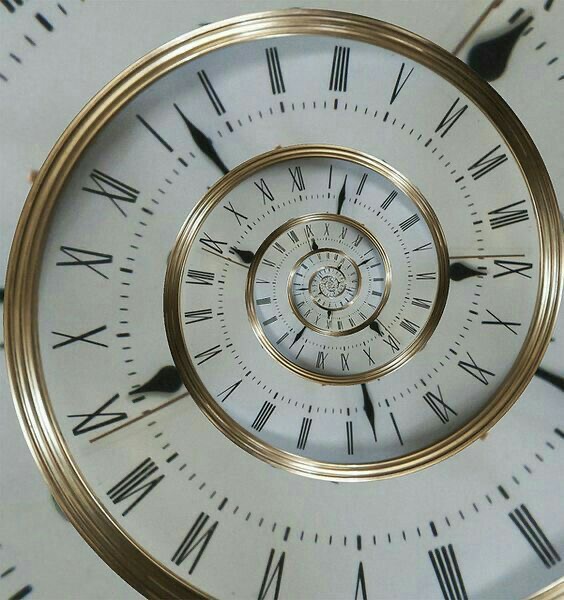
Nothing in Wonderland remains stable. Alice grows and shrinks unexpectedly, time becomes distorted, language loses meaning and what appears rational suddenly feels absurd. That’s because Wonderland reflects reality through the eyes of a child: exaggerated, emotional and constantly shifting.
Childhood is in fact one of the few moments in life where everything feels possible and the future exists as a distant promise rather than a threat.
A small but significant distinction was made in the original animated movie.
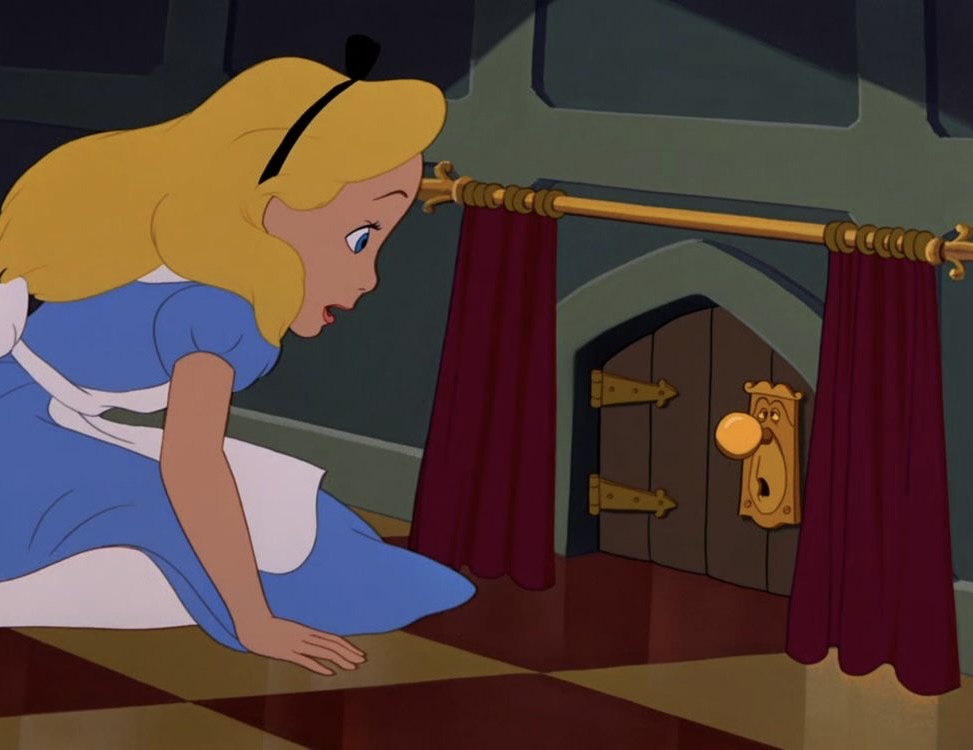
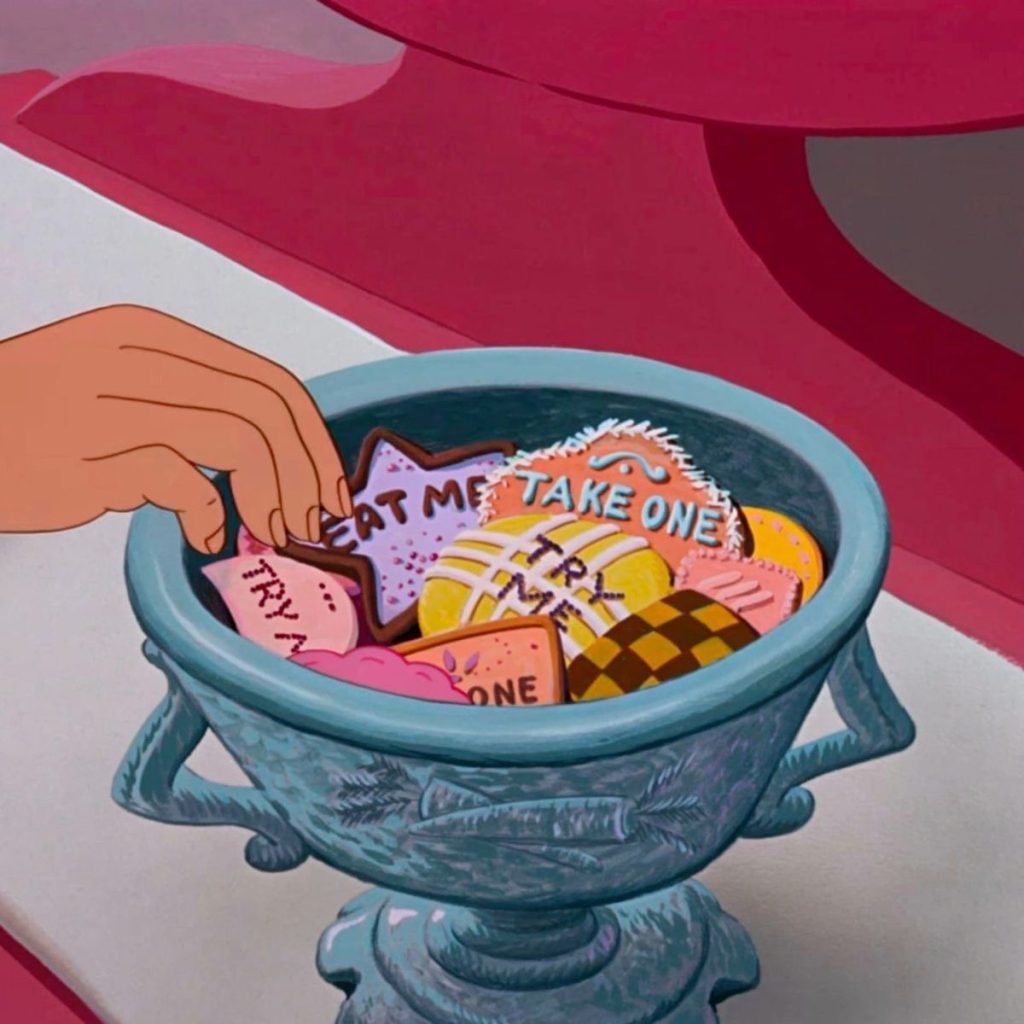
Before Alice even reaches Wonderland, she finds herself trapped in a room with a tiny locked door—the one with the “Drink Me” potion and “Eat Me” sweets. She tries to turn the handle, only for the doorknob to tell her it’s “simply impassable”. Alice rationally assumes he means impossible, to which he replies: “No, impassable. Nothing’s impossible”. Wonderland cannot be reached through logic alone. Alice has to change herself first and surrender her certainties.
Yet, growing up slowly turns many childhood truths into illusions. Reality becomes black and white, structured by invisible rules we are expected to understand without explanation, while, in between, there are billions of unanswered questions.
In our hyper-productive and hyper-rational reality, performance often matters more than values. We are constantly forced to define and justify ourselves. You are either too much or not enough, but you are rarely allowed to simply exist somewhere in between.
That is where Wonderland’s nonsense start to feel liberating.
There, nothing needs to be productive, coherent or useful. The idea of not having to make sense to anyone other than yourself is unexpectedly comforting. For once, confusion is not treated as failure.
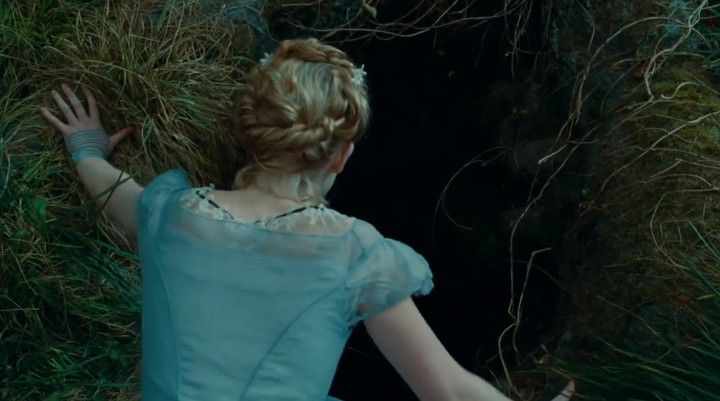
The rabbit hole, though, remains the story’s most powerful metaphor. Alice does not consciously choose to enter Wonderland: she falls into it. And that loss of control is precisely what gives the story its emotional weight: it’s a temporary loss of control from the pressure to constantly make sense of life.
This reveals that escapism does not equal immaturity. It is a necessary confrontation with fear, curiosity, and alienation—even if in the story it’s exaggerated in surreal forms.
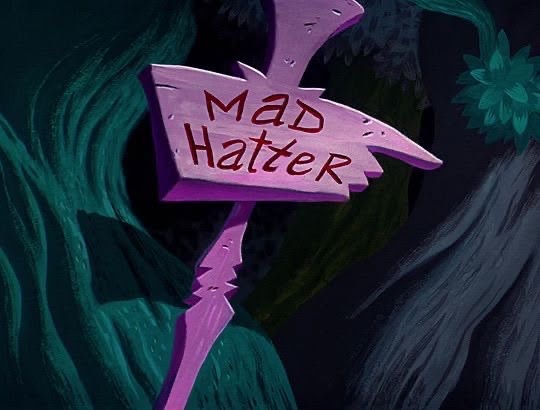
It is also the place where Alice reconnects with her lost “muchness”, as the Mad Hatter calls it.
That means finding the parts of ourselves adulthood teaches us to suppress. The journey through Wonderland is not about escaping life forever, but about returning to it slightly changed.
Everyone, in different ways, is always looking for small personal Wonderlands.
Not as children searching for a place to hide, but as adults searching for a place to remember who we were before the world told us who we should be.
We just need to stop trying to force the door open and finally allow ourselves to fall.
Tutti hanno bisogno del proprio Paese delle Meraviglie
Da oltre un secolo, “Alice nel Paese delle Meraviglie” continua a riapparire attraverso moda, cinema, arte e teatro. La domanda sorge spontanea: perché continuiamo a tornare nel Paese delle Meraviglie?
Forse perché non è mai stato solo una fantasia infantile. Alice stessa torna nel Paese delle Meraviglie da grande, scoprendo che non era semplicemente un sogno, ma un modo diverso di guardare la realtà. Da adulti iniziamo a riconoscerci nel suo desiderio di scappare da un mondo governato da logica, regole e aspettative. Ed è lì che il suo Paese delle Meraviglie inizia a diventare lentamente anche il nostro.
Ovviamente non può esistere come luogo fisico—anche se, se mai doveste trovare la tana del Bianconiglio, fatemelo sapere subito. Il Paese delle Meraviglie esiste invece come uno spazio mentale, un posto in cui le regole smettono di funzionare. Una via di fuga dove possiamo finalmente respirare, chiudendo la porta ad un mondo che spesso sembra troppo razionale, troppo strutturato, troppo stretto.
Nel Paese delle Meraviglie niente rimane stabile. Alice cresce e si rimpicciolisce improvvisamente, il tempo si distorce, il linguaggio perde significato e ciò che appare razionale improvvisamente sembra assurdo. Questo perché quel luogo riflette la realtà attraverso gli occhi di un bambino: esagerata, emotiva e in costante cambiamento. L’infanzia è infatti uno dei pochi momenti della vita in cui tutto sembra possibile e il futuro esiste come una promessa lontana piuttosto che come una minaccia.
Nel film originale viene fatta una piccola ma significativa distinzione.
Prima ancora di raggiungere il Paese delle Meraviglie, Alice si ritrova bloccata in una stanza con una minuscola porta chiusa a chiave—la stanza con la pozione “Bevimi” e i dolcetti “Mangiami”, per capirci. Prova a girare la maniglia, solo per sentirsi dire dalla porta che è “semplicemente impassabile”. Alice, razionalmente, pensa che voglia dire impossibile, ma sbaglia: “No, impassabile. Niente è impossibile”.
Il Paese delle Meraviglie non può essere raggiunto solo attraverso la logica. Alice deve prima cambiare sé stessa e abbandonare le proprie certezze.
Eppure, crescendo, molte verità dell’infanzia si trasformano lentamente in illusioni. La realtà diventa un film in bianco e nero, strutturato da regole invisibili che dovremmo accettare senza spiegazioni, mentre nel mezzo rimangono miliardi di domande senza risposta.
Nella nostra realtà iper-produttiva e iper-razionale, la performance conta spesso più dei valori. Siamo costantemente costretti a definirci e giustificarci. Sei troppo o troppo poco, ma raramente ti è concesso semplicemente di esistere da qualche parte nel mezzo.
Ed è lì che tutte le assurdità del Paese delle Meraviglie iniziano a sembrare liberatorie.
Lì niente deve essere produttivo, coerente o utile. L’idea di non dover avere senso per nessuno se non per se stessi è sorprendentemente confortante. Per una volta, la confusione non viene trattata come un fallimento.
La tana del Bianconiglio, però, rimane la metafora più potente della storia. Alice non sceglie consapevolmente di entrare nel Paese delle Meraviglie: ci cade dentro. Ed è proprio questa perdita di controllo a dare alla storia un maggiore peso emotivo: è una temporanea liberazione dalla pressione di dover dare costantemente un senso alla vita.
Ci mostra che l’evasione dalla realtà non equivale ad immaturità. È un confronto necessario con paura, curiosità e alienazione—anche se, nella storia, esasperate in forme surreali.
È anche il luogo in cui Alice ritrova la sua “moltezza” perduta, come la chiama il Cappellaio Matto.
Significa ritrovare quelle parti di noi che l’età adulta ci insegna a reprimere. Il viaggio nel Paese delle Meraviglie non parla di scappare dalla vita per sempre, ma di ritornarci leggermente cambiati.
Tutti, in modi diversi, siamo sempre alla ricerca di piccoli Paesi delle Meraviglie personali.
Non come bambini in cerca di un posto dove nascondersi, ma come adulti in cerca di un luogo che ci ricordi chi eravamo prima che il mondo ci dicesse chi dovremmo essere.
Dobbiamo solo smettere di provare a forzare la porta e finalmente permetterci di cadere.
Foto: British Vogue, Pinterest