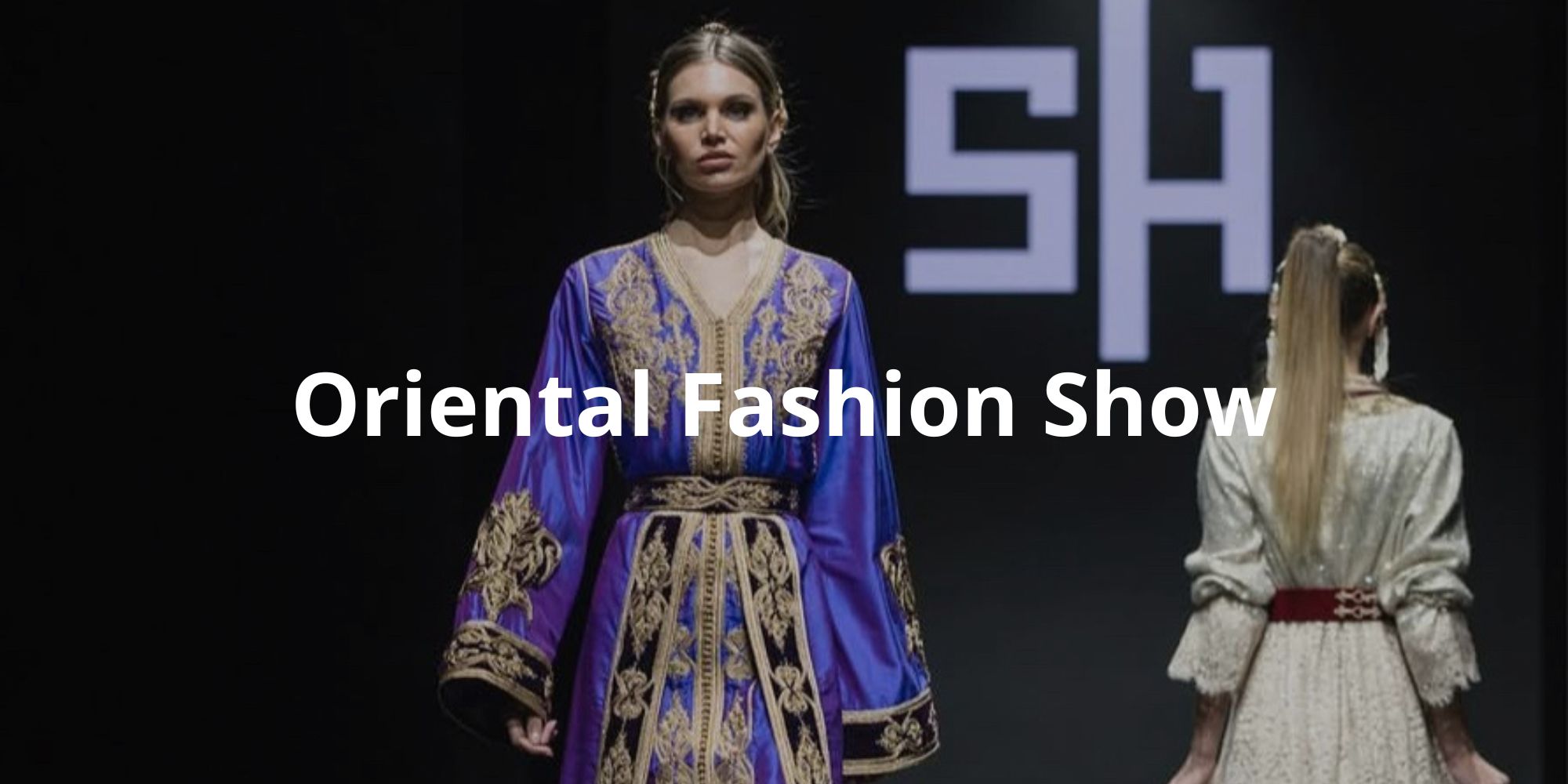
L’Oriental Fashion Show porta i caftani da Taza a Baku, spiegando la moda come fenomeno culturale (già noto).
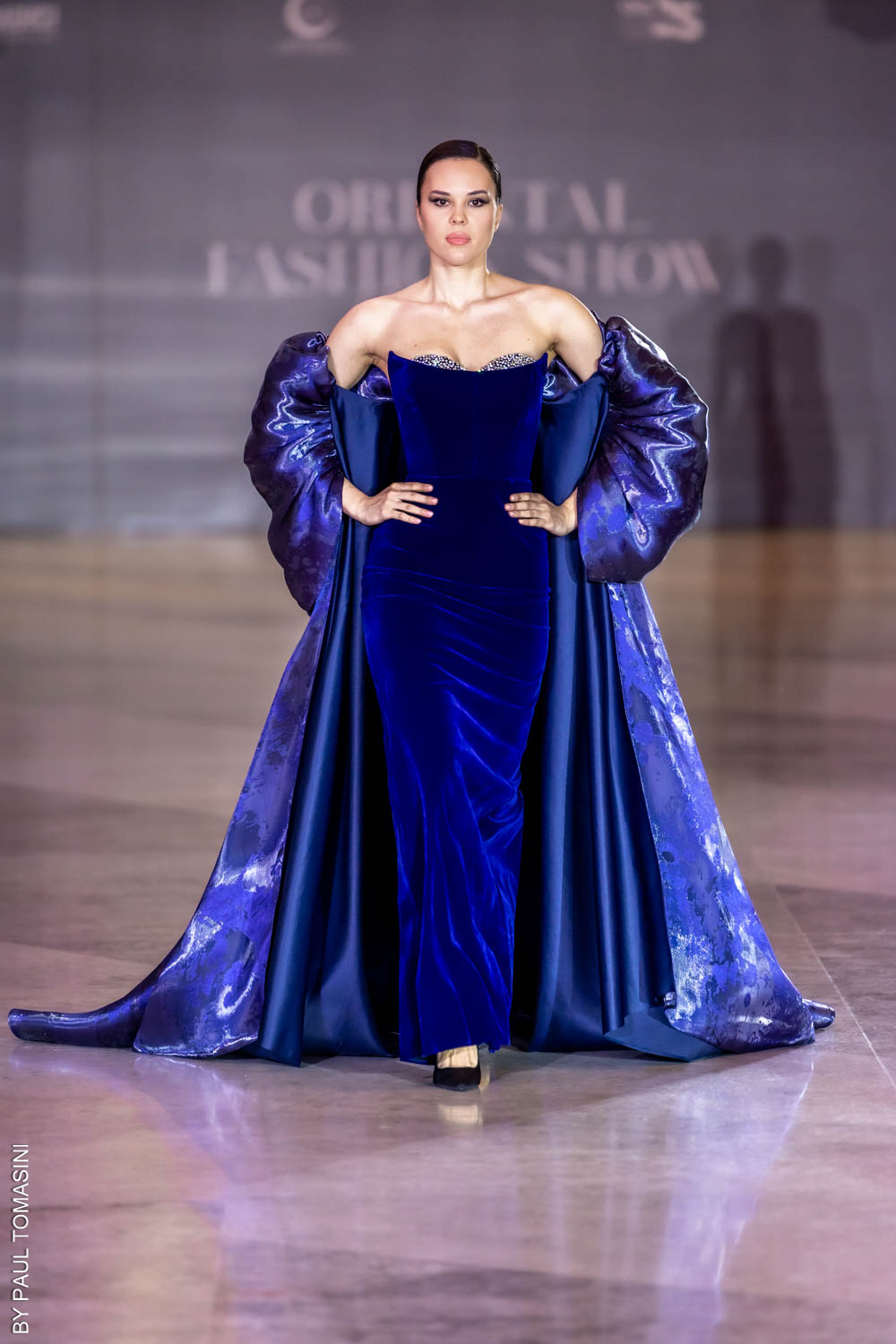
Dopo aver celebrato lo spirito più autentico del caftano marocchino a Taza, l’Oriental Fashion Show continua il suo viaggio internazionaledove arriva a Baku. La città è famosa per essere un crocevia storico e culturale tra Oriente e Occidente. L’8, il 9 e il 10 dicembre, la capitale dell’Azerbaigian ha ospitato un programma ricco di significato, artigianato e creatività. Concepito come una piattaforma per la tradizione, l’Oriental Fashion Show porta la moda sulla scena con collezioni ricche di patrimonio e identità culturale come componente chiave.
L’identità culturale di Taza e Baku
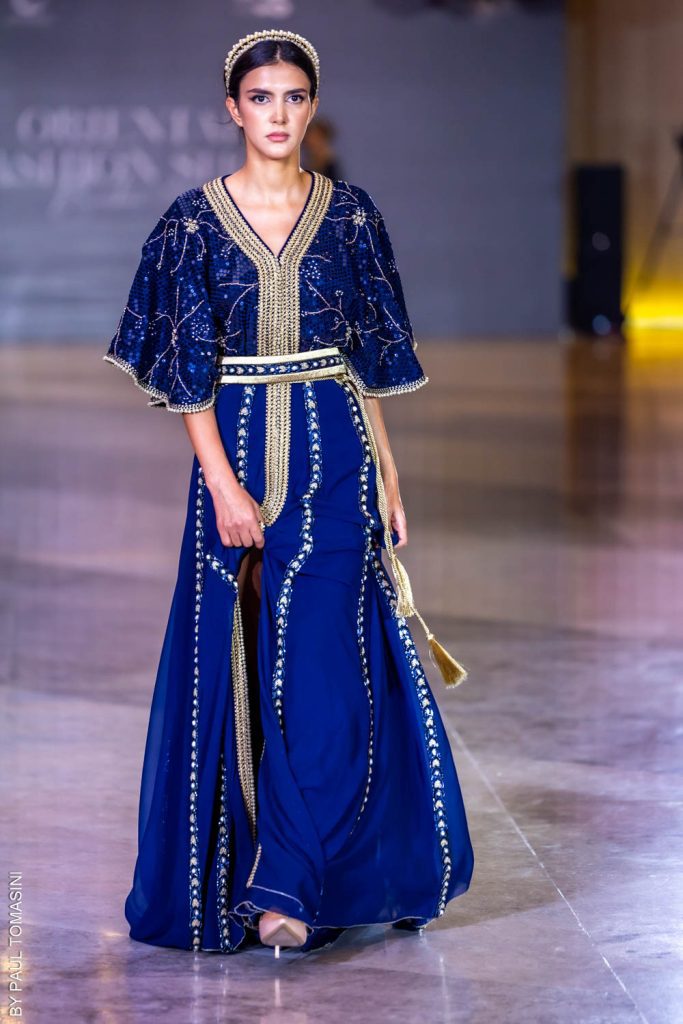
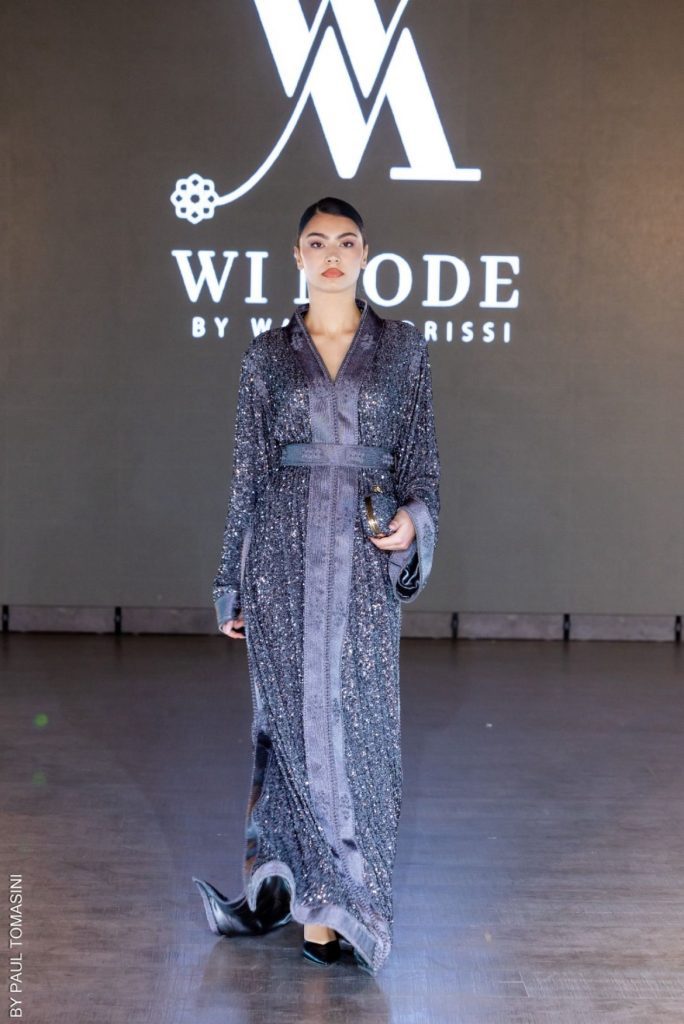
La sfilata marocchina, inserita nel calendario della Maroc Fashion Week, si è concentrata su un patrimonio sartoriale profondamente radicato nella storia della città di Taza. Le creazioni di Sahar Saleh, Amina Benzekri Benrahal e Maha Bouzoubâ hanno restituito al caftano il suo valore di simbolo di identità e sapere ancestrale. In questo modo, continuano a riaffermare il ruolo degli artigiani come custodi della memoria e dell’innovazione. Questa narrazione ha trovato una naturale continuazione a Baku, in un contesto altrettanto sensibile al dialogo tra patrimonio culturale e modernità.
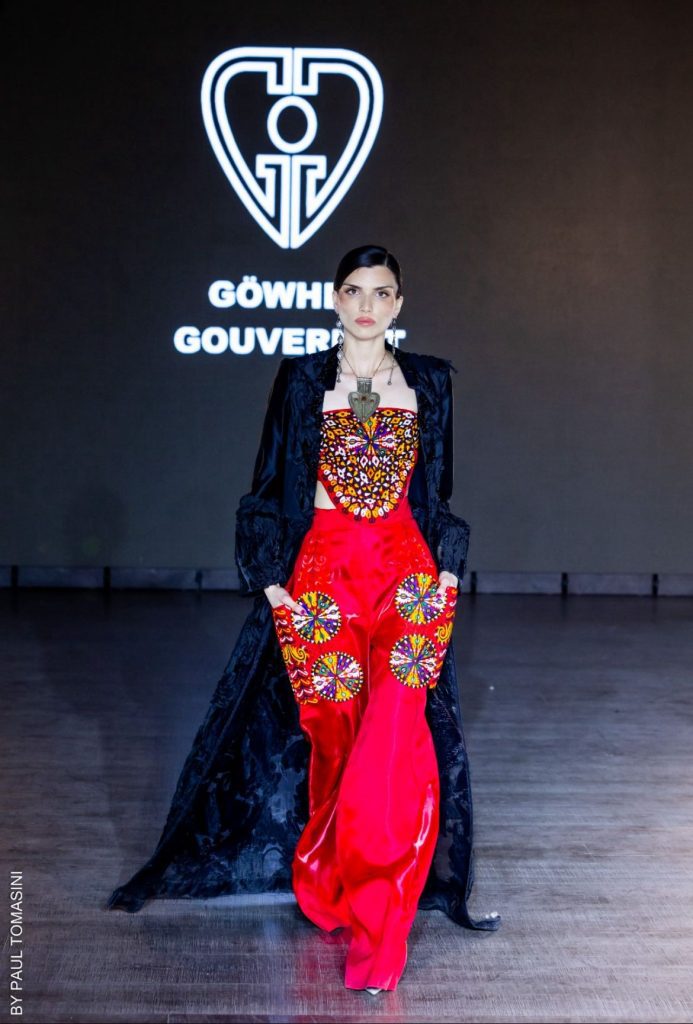
In Azerbaigian, l’Oriental Fashion Show ha costruito un programma incentrato sulla cooperazione culturale internazionale, sottolineando come il patrimonio immateriale possa essere una risorsa viva per la moda contemporanea. L’8 dicembre, l’evento è stato ospite d’onore alla Creative Week Baku, in collaborazione con il Ministero della Cultura, riunendo designer provenienti da Azerbaigian, Marocco, Egitto, Bahrein, Oman, Turkmenistan, Kazakistan e Tagikistan. Un mosaico di visioni che ha trasformato la passerella in uno spazio di scambio e contaminazione.
Il programma
Il 9 dicembre, la partecipazione all’Azerbaijan Fashion Week ha rafforzato la posizione di Baku come polo creativo regionale e internazionale. Si è dimostrata in grado di attrarre progetti e talenti provenienti da aree geografiche diverse ma culturalmente connesse.
Il momento culmine è stato il 10 dicembre quando, presso la residenza dell’Ambasciatore del Regno del Marocco, l’Oriental Fashion Show ha organizzato una sfilata. È stata interamente dedicata al caftano marocchino, celebrando la sua inclusione nella Lista del Patrimonio Culturale Immateriale dell’UNESCO. L’evento ha riunito professionisti della moda, istituzioni, corpo diplomatico e media, confermando il ruolo del caftano come linguaggio universale in grado di esprimere identità, storia e contemporaneità.
Tutto è collegato dalla moda
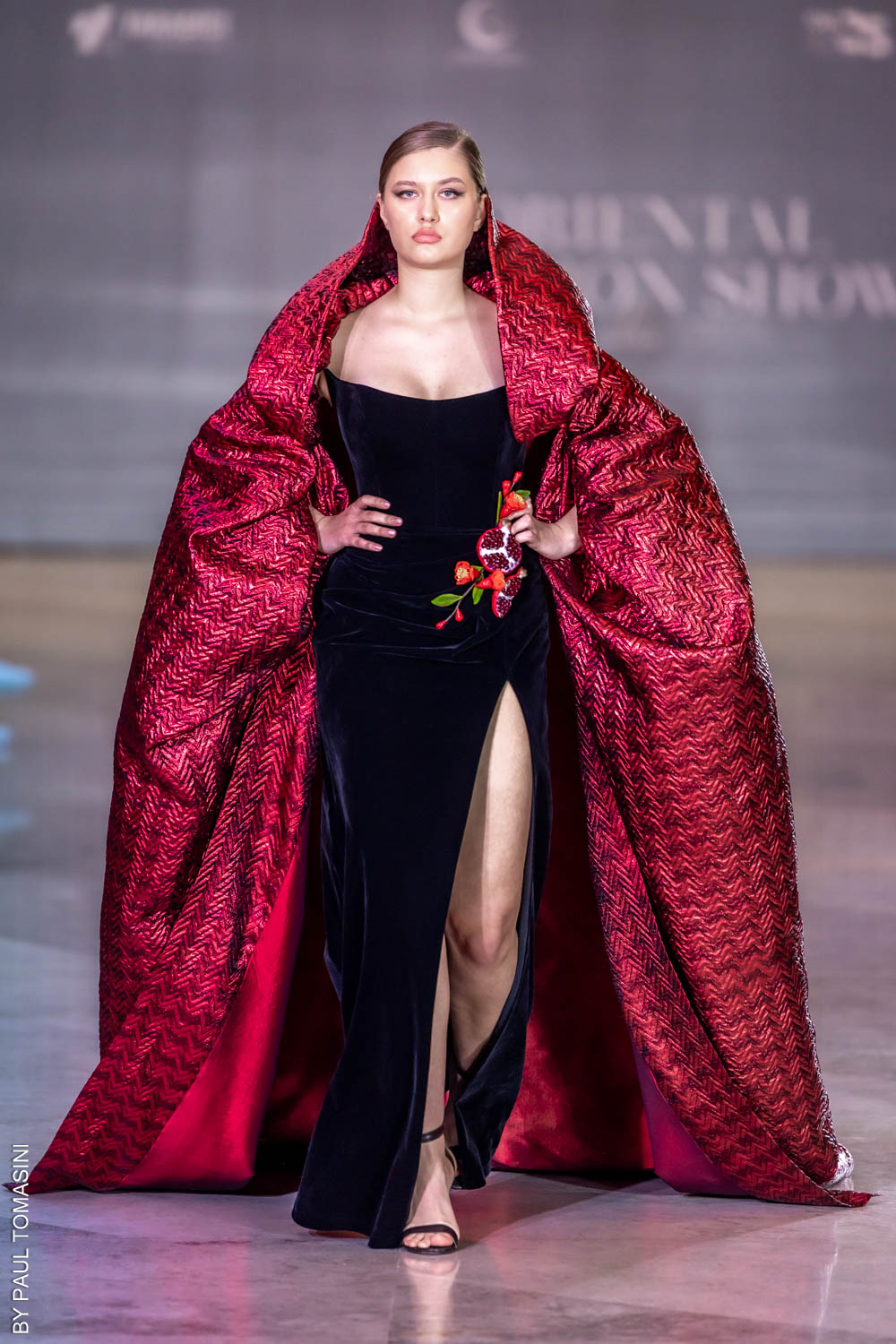
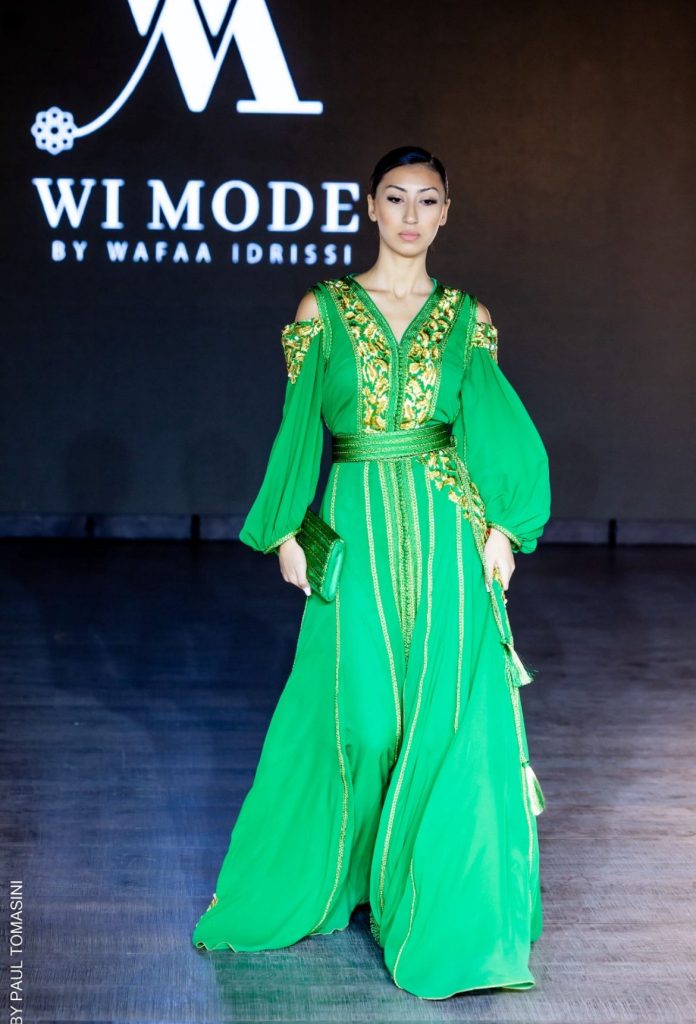
Da quasi vent’anni, l’Oriental Fashion Show lavora per promuovere e legittimare il caftano orientale sulla scena internazionale, affermandolo non come una reliquia del passato, ma come un patrimonio vivente. Come possiamo parlare del passato se non lo riconosciamo nemmeno? Collezioni e stilisti in continua evoluzione, che superano i confini geografici e culturali. Oggi, più che mai, sono uno strumento per evitare l’appropriazione culturale e aprire un dialogo globale.
Perché, anche quando ci sentiamo “vittime della moda” e scollegati dall’intero settore, la moda è lì per dirci che è con noi fin dai tempi antichi. Con maggiore o minore rilevanza, tutto è sempre stato influenzato dalla moda: lo status sociale, le guerre e le rivoluzioni, solo per citarne alcuni. L’Oriental Fashion Show continua semplicemente a mostrare come il caftano, in questo caso, sia passato da mantello a identificatore culturale che può ancora essere aggiornato e reinventato.
ENGLISH VERSION
L’Oriental Fashion Show, from Taza to Baku
Oriental Fashion Show brings caftans from Taza to Baku explaining fashion as (an already known) cultural phenomenon.
After celebrating the most authentic spirit of the Moroccan caftan in Taza, the Oriental Fashion Show continues its international journey, arriving in Baku. The city is famois for being a historical and cultural crossroad between East and West. On December 8, 9, and 10, the Azerbaijani capital hosted a program rich in meaning, craftsmanship and creation. Designed as a platform for tradition, the Oriental Fashion Show brings fashion to the scene with heritage-rich collections and cultural identity as its key component.
L’identità culturale di Taza e Baku
The Moroccan stage, included in the Maroc Fashion Week calendar, focused on a sartorial heritage deeply rooted in the history of the city of Taza. The creations of Sahar Saleh, Amina Benzekri Benrahal, and Maha Bouzoubâ restored the caftan’s value as a symbol of identity and ancestral knowledge. In this way, they continue to reaffirm the role of artisans as guardians of memory and innovation. This narrative found a natural continuation in Baku, in a context equally sensitive to the dialogue between cultural heritage and modernity.
In Azerbaijan, the Oriental Fashion Show built a program around international cultural cooperation, emphasizing how intangible heritage can be a living resource for contemporary fashion. On December 8, the event was the guest of honor at Creative Week Baku, in collaboration with the Ministry of Culture, bringing together designers from Azerbaijan, Morocco, Egypt, Bahrain, Oman, Turkmenistan, Kazakhstan, and Tajikistan. A mosaic of visions that transformed the catwalk into a space for exchange and cross-pollination.

The schedule
On December 9, participation in Azerbaijan Fashion Week reinforced Baku’s position as a regional and international creative hub. It showed itself capable of attracting projects and talent from different but culturally connected geographical areas.
The highlight came on December 10 when, at the residence of the Ambassador of the Kingdom of Morocco, the Oriental Fashion Show organized a fashion show. Ot was entirely dedicated to the Moroccan caftan, celebrating its inclusion in UNESCO’s Intangible Cultural Heritage List. The event brought together fashion professionals, institutions, diplomatic corps and media, confirming the role of the caftan as a universal language capable of expressing identity, history, and contemporaneity.
Everything is connected by fashion
For almost twenty years, the Oriental Fashion Show has been working to promote and legitimize the Oriental fashion caftan on the international scene, establishing it not as a relic of the past, but as a living heritage. How can we talk about the past if we don’t even acknowledge it? Collections and designers that continue to evolve, crossing geographical and cultural boundaries. Today, more than ever, they are a tool for avoiding cultural appropriation and opening up global dialogue.
Because, even when we feel like “fashion victims” and disconnected from the whole industry, fashion is there to tell us that it has been with us since the ancient times. With more or less relevance, everything has always been tainted by fashion: social status, wars and revolutions to cite a few. Oriental Fashion Show just continues to show how the caftan, in this case, has gone from a cape to a cultural identificator that can still be updated and reinvented.
Foto: press Kit Guitar