Non possiamo interpretare la moda contemporanea senza conoscere chi ha aperto la strada ai designer attuali.Oggi presentiamo Carol Christian Poell, designer austriaco degli anni ’90 che riscrive il significato di nicchia.
Non considero un abito come un complemento del corpo. Piuttosto, cerco di annullare il corpo. Lo considero solo un volume e una forma tridimensionale.
Benvenuti nella rubrica mensile che fa un passo indietro e guarda al passato. Nel mondo attuale della moda si preferisce prioritizzare il lato commerciale e non sempre il potere comunicativo che ha la moda. Se guardiamo al passato, capiamo quanto siano influenzati i designer oggi da questo e tra nostalgia e un tentativo di viralità, si rivisitano. Il protagonista di oggi è Carol Christian Poell che ha trascorso gli anni ’90 come una leggenda del design di avanguardia.
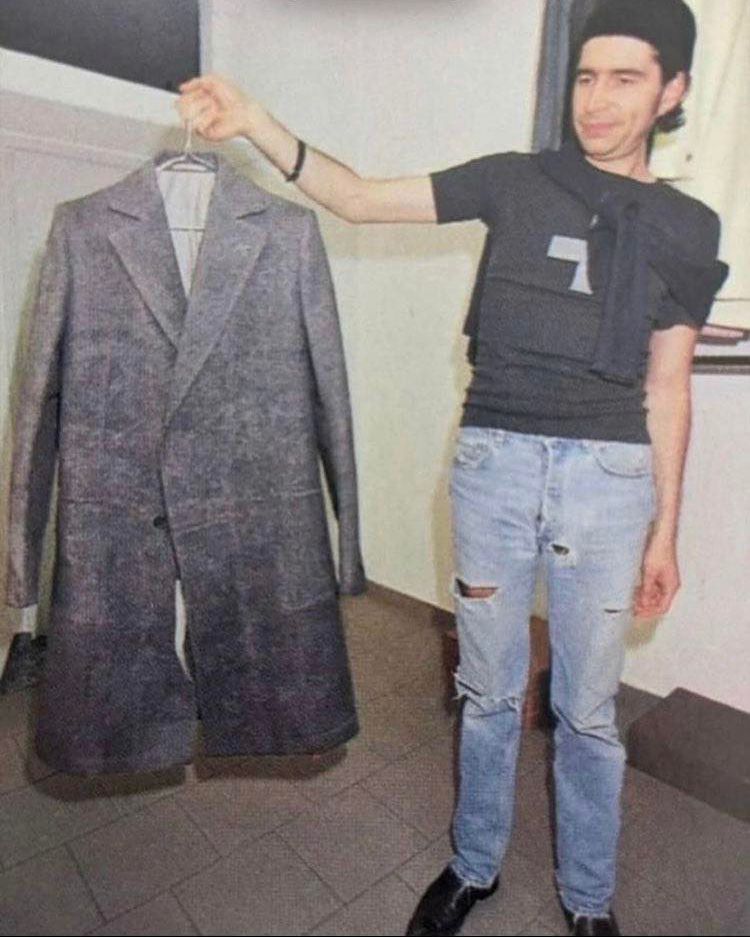
Nelle collezioni di Carol Christian Poell l’importanza del concetto era più importante dei vestiti. Si è definito come uno stilista cinico che apre un dibattito ogni volta che un pezzo suo esce alla luce e lui lo difende veementemente. La moda per lo stilista era uno spazio di comunicazione e sperimentazione che lo portò nel 1998 a creare moda femminile. Questi vestiti erano le silhouette maschili su donne perché non erano neanche adattate alla figura femminile aprendo la strada alla ora parola di mainstream: unisex.
Gli inizi del designer
La misteriosità di questo brand nasce con il suo stilista. Pochi avvistamenti in pubblico e poche parole che lo descrivano, dalla sua bocca. Nasce nel 1966 a Linz in Austria e cresce in una famiglia che possedeva un’azienda di pelle. Da lì nasce il suo fascino e ossessione per questo materiale. Studia a Graz, a Milano e a Vienna creando i primi passi di un grande futuro silenzioso, avanguardista e innovativo. Sin dal suo inizio si impegna a non essere come gli altri spingendo sui limiti e le possibilità che la moda offriva negli anni ’90. La sperimentazione è stato un suo grande forte.
Le innovazioni di Carol Christian Poell
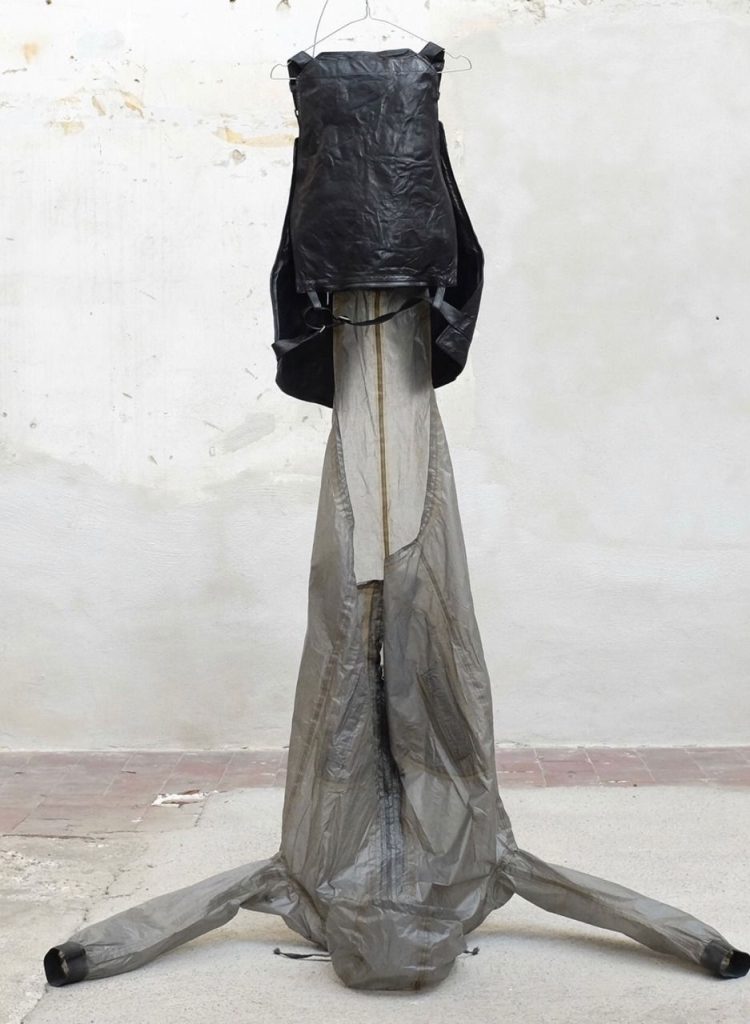
Una delle grandi qualità di questo brand sono le forme innovative in cui ha lavorato la pelle e i trattamenti che avvenivano sui tessuti. Non è diventato solo un brand per gli affascinati dalla moda più pura ma un brand di ultra-nicchia che fin dai suoi inizi ha prodotto capi limited edition. Le prime cose che uno inevitabilmente guarda quando decide di prendere un capo di prezzo elevato sono le cuciture perfette ed invisibili, e a volte, la costruzione della fodera. Poell si assicura che questo non accada. Espone tutte le cuciture e decide ripetute volte di eliminare la fodera ricostruendo il suo proprio capo allontanato dalle regole dell’industria.
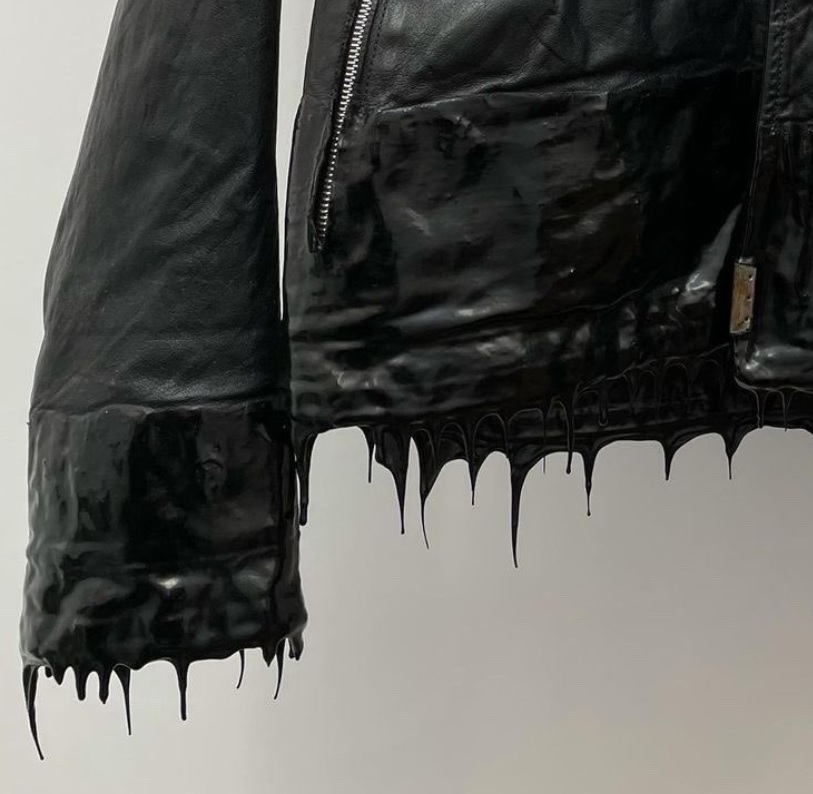
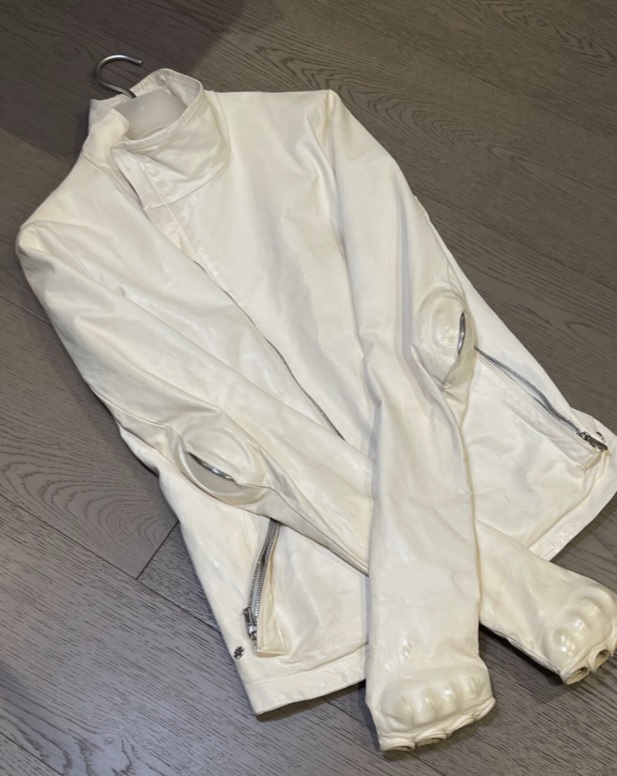
Capelli e pelle che si fanno vedere in costante trasformazione lo portano a creare il “drip leather”, una lavorazione di resina che fa sembrare che si stia sciogliendo e diventa comunque un identificatore preciso CCP. Il corpo è una grande fonte di ispirazione anche per il designer con giubbotti, scarpe e pantaloni che vengono rinforzati su gomiti, nocche e ginocchia creando un’espansione del proprio corpo. I richiami sartoriali usati per decostruire i pezzi vengono immediatamente presi e travolti per creare pezzi unici ed esclusivi.
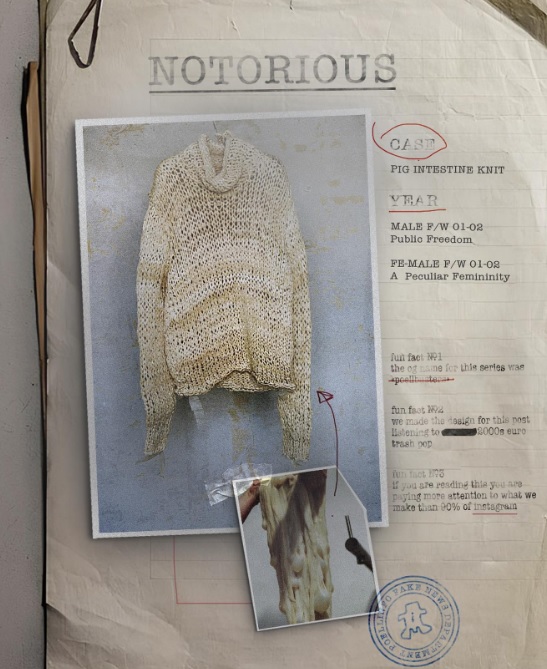
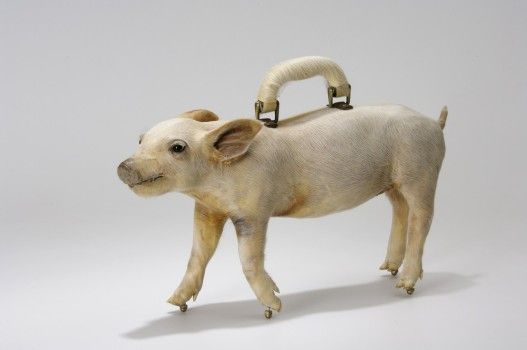
L’impronta artigianale è un’altra delle ragioni per cui la fanbase del brand continua a crescere. Le lavorazioni a mano più il fascino dell’orrore dei suoi discepoli fanno di lui un mito. Chi potrebbe, se non indossare un maglione fatto di intestini di maiale disseccati? Lontani dal sistema fast fashion, i pezzi vengono tinti a mano una volta confezionati, le pelli sono a volte rare ma sempre di qualità e le cuciture visibili sono a volte aggiunte dopo la confezione in macchina.
L’atipicità come brand identity
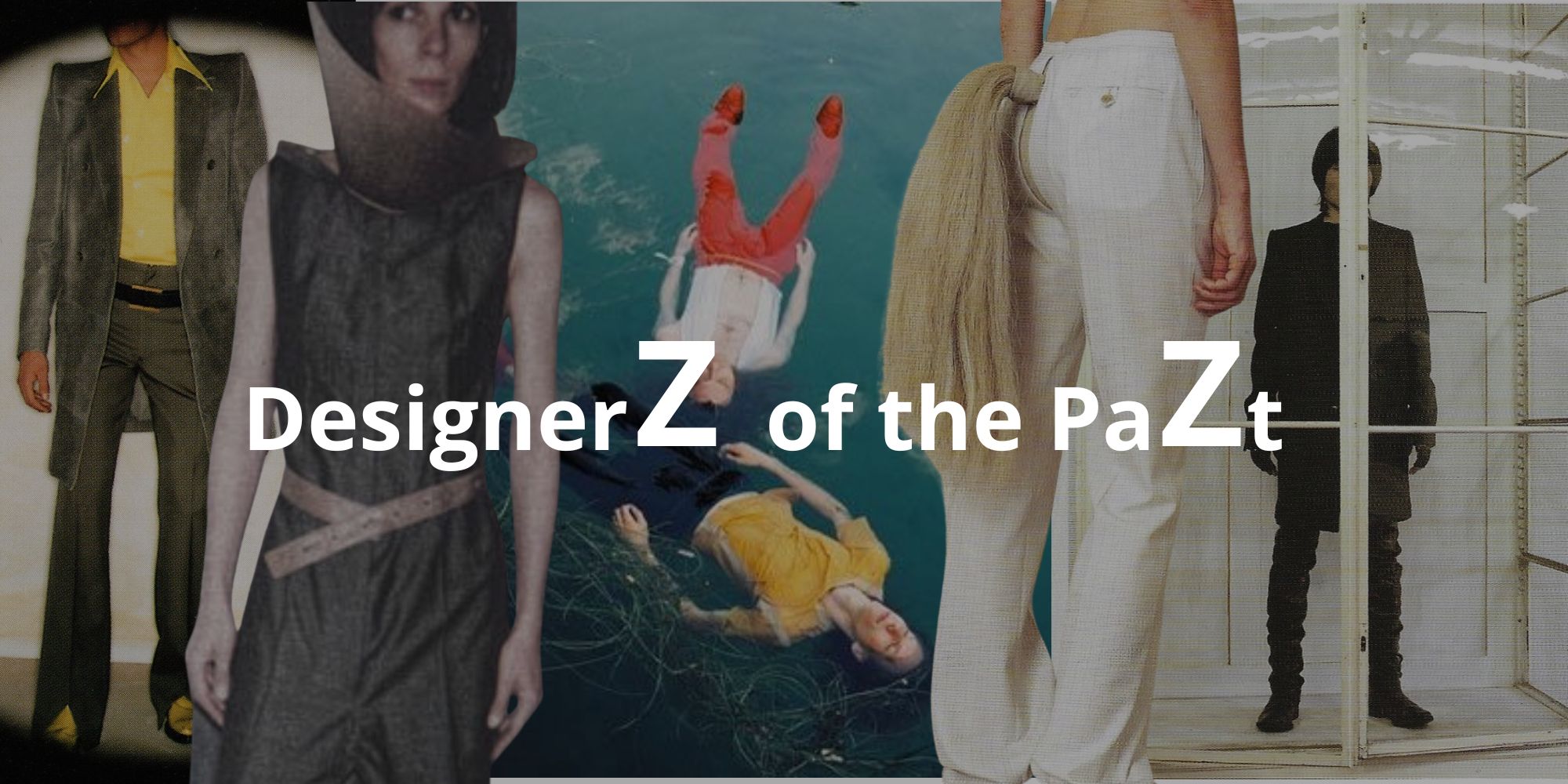
Le sue sfilate, meno frequenti di quanto si pensi per un brand di moda oggigiorno, erano bizzarre e accentuavano ancora l’unicità del loro pubblico e l’atipicità che l’ha caratterizzato tutti questi anni. Pim che sfilate, le sue collezioni erano vere e proprie esibizioni di arte performativa. Da presentazioni in un obitorio con dei modelli estesi facendo “finta” di essere morti alla sfilata sul Naviglio Grande a Milano in cui i modelli si sono fatti trascinare dalla corrente. “Mainstream Downstream”, possibilmente tradotto come mainstream a valle, è passata alla storia come una delle sfilate più iconiche del marchio. Chi potrebbe immaginare una sfilata oggi con i modelli bagnati e i vestiti “rovinati”?


Carol Christian Poell e la moda attuale
Nel 2023 è stato inaugurato il secondo piano del suo concept store a Mosca rivelando un ampliamento fisico che è molto più silenzioso di quello sociale. Anche se possiede oltre 40 rivenditori in tutto il mondo, includersi nel sistema moda per Carol Christian Poell voleva dire che niente del suo lavoro sarebbe andato nello stesso flusso della moda. Grande parte della sua eccentricità si trova anche sul sito di Carol Christian Poell Room dove lo spazio diventa racconto di una lunga vita dentro il design e fuori dalla fama.
Con questo brand parlare di passato e presente è un po’ inutile. La sua ultima collezione ‘IN-BETWEEN” è stata presentata nel 2010 ed è presente dagli anni ’90 ma la sua misteriosità l’ha reso un mito e un “if you know, you know”. Chi è interessato, sa chi è Carol Christian Poell. Non ha avuto bisogno di pubblicità massive sui giornali ma un semplice passaparola di chi vuole avere pezzi unici e allontanarsi dalle periodicità del sistema moda. Questo ha reso il marchio ancora più esclusivo con i suoi pezzi in rivendita su eBay arrivando a prezzi tra 3000 e 8000 euro sui vestiti più lavorati.
Chi non trova un capo in rivendita si reca da Rick Owens dove entrambi i brand condividono un target anti-fashion e sovversivo. È molto difficile sapere quando una collezione CCP verrà lanciata perché come probabilmente avete presunto, lo stilista non segue le tendenze. Una volta che sia pronto a mostrare il suo lavoro, lo farà.
ENGLISH VERSION
Designerz of the Pazt: Carol Christian Poell
We cannot understand contemporary fashion without knowing who paved the way for today’s designers. Today we introduce Carol Christian Poell, an Austrian designer from the 1990s who is redefining the concept of ‘niche’.
I do not think of a dress as a complement to the body. Rather, I seek to annul the body. I consider it only a volume and a three-dimensional form.
Welcome to our monthly column that takes a step back and looks to the past. In today’s fashion world, there is a tendency to prioritise the commercial aspect over the communicative power that fashion possesses. If we look to the past, we can see just how much today’s designers are influenced by this; caught between nostalgia and a desire for virality, they revisit the past. Today’s protagonist is Carol Christian Poell, who spent the 1990s as a legend of avant-garde design.
In Carol Christian Poell’s collections, the concept was more important than the clothes themselves. He defined himself as a cynical designer who sparked debate every time one of his pieces came to light, and he defended it vehemently. For the designer, fashion was a space for communication and experimentation, which led him in 1998 to create women’s fashion. These clothes were masculine silhouettes on women, as they were not even adapted to the female figure, paving the way for what is now the mainstream term: unisex.
The designer’s early years
The mystique of this brand stems from its designer. He is rarely seen in public and has said very little about himself. He was born in 1966 in Linz, Austria, and grew up in a family that owned a leather goods business. This is where his fascination with and obsession for this material originated. He studied in Graz, Milan and Vienna, laying the foundations for a great, quiet, avant-garde and innovative future. From the very start, he was determined not to be like the others, pushing the boundaries and exploring the possibilities that fashion offered in the 1990s. Experimentation was one of his great strengths.
Carol Christian Poell’s innovations
One of this brand’s great qualities lies in the innovative ways in which it has worked with leather and the treatments applied to the fabrics. It has become not just a brand for those captivated by the purest form of fashion, but an ultra-niche brand that has produced limited-edition garments since its inception. The first things one inevitably looks at when deciding to buy a high-priced garment are the perfect, invisible seams and, at times, the construction of the lining. Poell ensures that this does not happen. He exposes all the seams and repeatedly chooses to eliminate the lining, reconstructing his own garments in defiance of industry norms.
Hair and skin, which are constantly undergoing transformation, have led him to create ‘drip leather’ – a resin finish that gives the appearance of melting, yet remains a distinctive CCP signature. The body is also a major source of inspiration for the designer, with jackets, shoes and trousers featuring reinforced elbows, knuckles and knees, creating an extension of the wearer’s own body. Sartorial references are used to deconstruct the pieces are immediately taken and subverted to create unique and exclusive items.
Having an artisanal touch is another reason why the brand’s fanbase continues to grow. The handcrafted details, combined with the macabre allure of his creations, make him a legend. Who else would wear a jumper made from dried pig intestines? Far removed from the fast fashion system, the pieces are hand-dyed once made, the leathers are sometimes rare but always of high quality, and the visible stitching is sometimes added after machine-sewing.
Unconventionality as a brand identity
Their fashion shows – less frequent than one might expect for a fashion brand these days – were bizarre and further emphasised the uniqueness of their audience and the unconventionality that has defined them all these years. Whatever the shows, their collections were veritable performances of performance art. From presentations in a mortuary with models lying still, ‘pretending’ to be dead, to the show on the Naviglio Grande in Milan where the models let themselves be carried along by the current. ‘Mainstream Downstream’ has gone down in history as one of the brand’s most iconic shows. Who could imagine a fashion show today with wet models and ‘ruined’ clothes?
Carol Christian Poell and contemporary fashion
In 2023, the second floor of her concept store in Moscow was unveiled, revealing a physical expansion that is far more understated than her social presence. Although she has over 40 retailers worldwide, for Carol Christian Poell, becoming part of the fashion system meant that none of her work would follow the same trends as the fashion world. Much of her eccentricity is also found on the Carol Christian Poell Room website, where the space becomes a narrative of a long life within design and outside the limelight.
With this brand, talking about the past and present is somewhat pointless. Her latest collection, ‘IN-BETWEEN’, was presented in 2010 and has been around since the 1990s, but her air of mystery has made her a legend and an ‘if you know, you know’ figure. Those who are interested know who Carol Christian Poell is. He hasn’t needed massive newspaper advertising, just simple word of mouth from those who want unique pieces and to distance themselves from the cyclical nature of the fashion system. This has made the brand even more exclusive, with his pieces resold on eBay fetching prices between €3,000 and €8,000 for the most intricately crafted garments.
Those who cannot find a piece on the resale market head to Rick Owens, where both brands share an anti-fashion and subversive ethos. It is very difficult to know when a CCP collection will be launched because, as you have probably guessed, the designer does not follow trends. Once he is ready to show his work, he will do so.
Foto: Pinterest