From William Shakespeare’s Hamlet to today’s debate: is vegan leather really better than animal leather? It fires up entire generations. Baby Boomers are usually in favor of a traditional approach, evaluating its longevity and comfort, while Millenials or Gen Z fight for more sustainable materials, made without the involvement of animals.
Seeing the increasing demand for alternative products, more and more luxury brands are shifting towards ethical and cruelty-free options. However, most of them are still made of plastic and not as environmentally clean as advertised, and what’s even more concerning is that media rarely investigates the real composition of the so-called vegan leather. Therefore, I’ll try to bring some light to the argument.
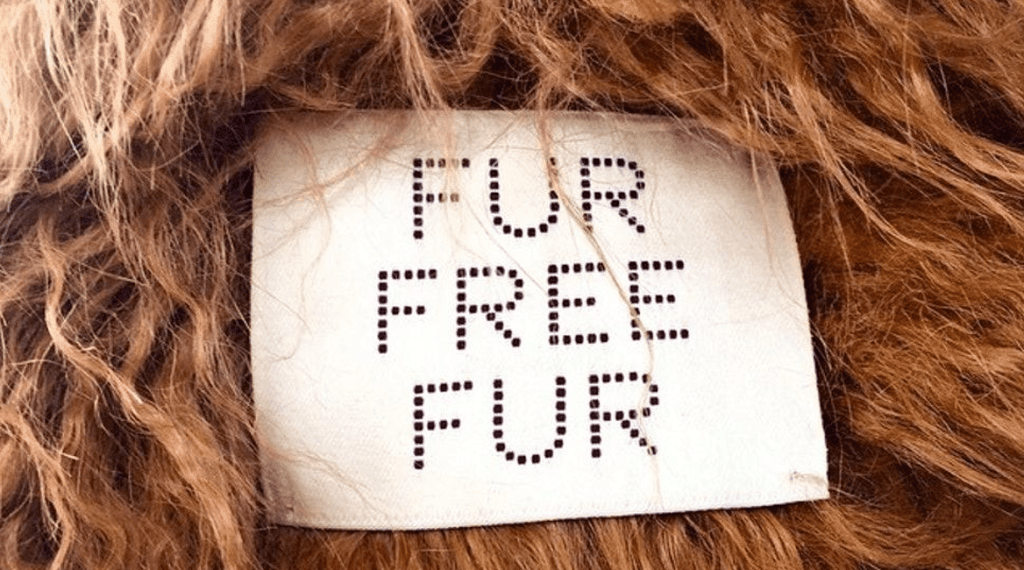
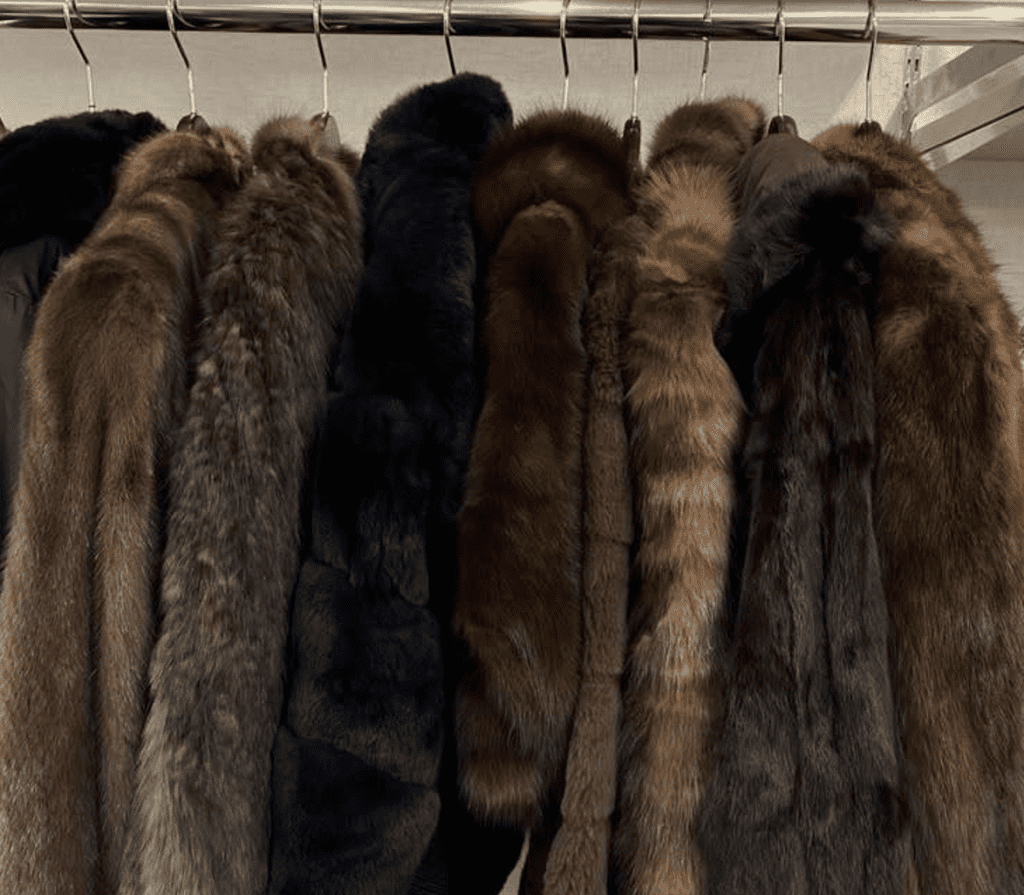
Even though genuine leather can last decades (I think we all have either a bag or a fur coat from our grandma’s closet) and still has the best softness and tactile quality that synthetic or plant-based alternatives struggle to recreate, it is the final result of a painful production chain that leaves real victims behind. In theory, but not always in practice, hides used for leather industry should come from animals already killed for food. However, evidence shows that things are far more complex than they seem. There isn’t a common worldwide certification system, meaning that leather traceability is almost impossible to guarantee, especially when it comes from regions with weak regulations.
Moreover, contrary to popular belief, real leather is not biodegradable due to the several chemicals used during tanning, which not only harm the environment, but also expose workers to toxic substances, forcing them to live and work in unhealthy conditions.

As an answer to the growing environmental awareness, in the early 90s eco-leather was created to minimize its footprint by introducing more sustainable tanning processes. So, just to make it clear, eco-leather is still animal sourced. I’ve seen many on the internet – and also some of my friends – confuse it with an artificial or plant-based product and believe that they were making an environmentally friendly choice. Which is only partially true.
With advancements in technology, what is commonly known as vegan leather was introduced into the market and immediately became the target of criticism, as it’s often produced with plastic polymers, such as polyurethane and polyvinyl chloride. Since they’re derived from petroleum and release microplastics into the environment, they’re highly polluting materials.
Yet, don’t lose hope! Many sustainable (for real this time) materials are being used: plant waste or renewable resources like mushroom roots (MyLO), pineapple leaf fibers (Piñatex) and nopal cactus or prickly pear (Desserto).
To sum up, the real problem isn’t really vegan leather vs. animal leather. But rather, the industry’s persistent use of greenwashing, which leads the public to believe that all vegan leathers have no environmental consequences.
So, what should we do? There could be many answers: buy second-hand animal leather, fully plant-based leather or the one made from recycled plastic… the choice is yours!

PELLE TRADIZIONALE O PELLE VEGANA, QUESTO E’ IL DILEMMA
Da Amleto di William Shakespeare al dilemma odierno: la pelle vegana è davvero migliore rispetto a quella animale? Una domanda che anima intere generazioni. Se da un lato i Baby Boomer preferiscono una scelta tradizionale per l’essere praticamente eterna e il maggiore comfort, dall’altro i Millennial e la Generazione Z lottano per avere materiali più sostenibili, realizzati senza che gli animali siano coinvolti.
Vista la crescente domanda da parte dei consumatori di prodotti alternativi, sempre più brand di lusso stanno cercando di prendere scelte più etiche e cruelty-free. Purtroppo però, la maggior parte di questi prodotti è ancora realizzata in plastica e, quindi, non è così ecologica come promesso. Ciò che è ancora più preoccupante è che i media raramente mettono in luce la vera composizione della cosiddetta pelle vegana. Cercherò di fare un po’ di chiarezza sull’argomento.
Nonostante la pelle vera possa durare decenni (credo che tutti abbiamo una borsa o una pelliccia rubata dall’armadio della nonna) e abbia ancora una morbidezza nettamente superiore rispetto alle alternative sintetiche o vegetali, è pur sempre il risultato finale di una catena di produzione che lascia dietro di sé vere e proprie vittime. In teoria, ma non sempre in pratica, lei pelli utilizzate per l’industria del cuoio dovrebbero provenire da animali già uccisi per la loro carne. Tuttavia, le cose sono più complesse di quanto sembrano. Ancora oggi non esiste un sistema di controllo e certificazione comune a livello mondiale. La tracciabilità del cuoio è quindi molto difficile da garantire, specialmente se proviene dai Paesi con normative poco severe a riguardo.
Inoltre, diversamente da quanto si crede, la vera pelle non è biodegradabile, a causa delle numerose sostanze chimiche usate durante la concia. Non solo danneggiano l’ambiente, ma anche i lavoratori, costretti a vivere e lavorare in condizioni malsane a stretto contatto con sostanze tossiche.
Data la crescente sensibilità ambientale, durante gli anni ’90 è stata creata l’eco-pelle, con la quale sono stati introdotti metodi di concia più sostenibili tentando di ridurre l’impatto ambientale. Giusto per chiarire, l’eco-pelle è di origine animale. Ho visto molte persone su internet – e anche diversi miei amici – confonderla con un prodotto artificiale o vegetale, e credere di fare una scelta completamente rispettosa dell’ambiente. Il che è vero solo in parte.
Con i progressi della tecnologia, è stata introdotta sul mercato la pelle vegana ed è subito diventata oggetto di critiche, perché spesso è prodotta con polimeri plastici, come il poliuretano e il cloruro di polivinile. Siccome derivano dal petrolio e rilasciano microplastiche nell’ambiente, sono materiali altamente inquinanti.
Ma non dovete perdere la speranza! Esistono anche molte altre scelte più sostenibili (per davvero): alcuni brand utilizzano risorse rinnovabili o scarti vegetali come le radici dei funghi (MyLO), le fibre delle foglie di ananas (Piñatex) e il cactus nopal, o fico d’India (Desserto).
Per riassumere il dibattito, il vero problema non è tanto pelle vegana vs. pelle animale. Ma piuttosto, il continuo ricorso al greenwashing da parte dell’industria, che induce il pubblico a credere che tutte le pelli vegane non abbiano conseguenze ambientali.
Perciò, cosa dovremmo fare? Le risposte sono diverse: potremmo acquistare capi second-hand in vera pelle oppure in materiali completamente vegetali o ricavati dalla plastica riciclata… a voi la scelta!
Articolo a cura di Stella Biasucci
Foto: Pinterest